
Every year, Americans spend over $400 billion on prescription drugs. And for many, that bill feels impossible to pay. But what if you could cut your medication costs by 80%-without sacrificing effectiveness? The answer isn’t a new miracle drug. It’s something already in your pharmacy’s back room: generic medications.
They’re Not Cheaper Because They’re Weaker
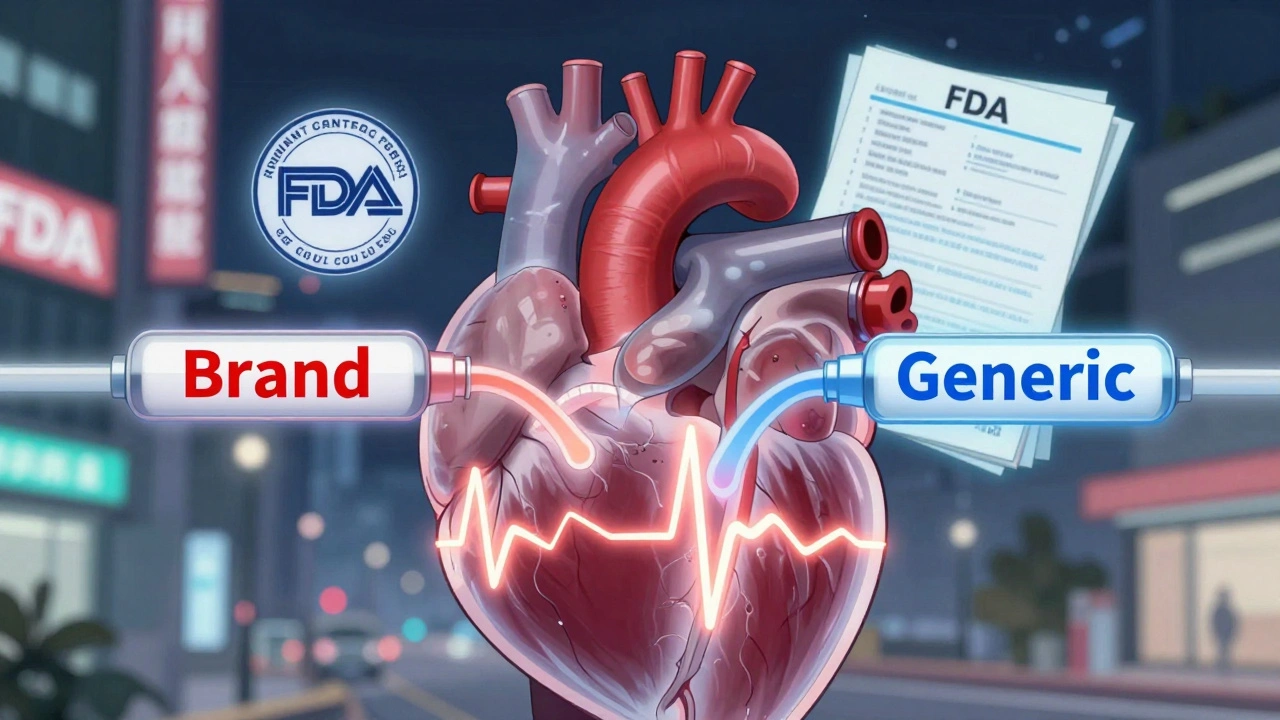
A lot of people think generic drugs are the "cheap version"-like buying store-brand cereal instead of the name brand. But that’s not how it works. Generic medications contain the exact same active ingredient as their brand-name counterparts. If your doctor prescribes atorvastatin, the generic version of Lipitor, you’re getting the same molecule that lowers cholesterol. The FDA requires it. No exceptions.The FDA doesn’t approve generics based on trust. They require proof. Every generic must show it delivers the same amount of medicine into your bloodstream at the same speed as the brand-name drug. That’s called bioequivalence. The standard? The drug’s concentration in your blood must fall between 80% and 125% of the brand-name version. That’s a tight range. It’s not a guess. It’s science.
And here’s the kicker: the FDA inspects generic drug factories just as often as brand-name ones. In 2023, they conducted over 1,200 inspections worldwide. Many of the same plants that make brand-name drugs also make generics. The difference isn’t quality. It’s cost.
Why Are Generics So Much Cheaper?
Brand-name drugs cost a fortune because the company that invented them had to pay for years of research, clinical trials, and marketing. That’s how they recoup their investment. Once the patent runs out, other companies can make the same drug-but they don’t have to repeat all that expensive work.Generic manufacturers skip the animal studies, skip the multi-year clinical trials, and skip the TV commercials. All they have to prove is that their version works the same way. That saves them millions. And when five or more companies start making the same generic drug? Prices drop fast.
Take Lipitor. When the generic version hit the market in 2011, the monthly price dropped from $130 to as low as $4 at major pharmacies. Warfarin, a blood thinner, used to cost over $300 for a 30-day supply as Coumadin. Today, the generic version? Around $4. Fexofenadine, the generic for Allegra, costs $10 instead of $30. These aren’t outliers. They’re the norm.
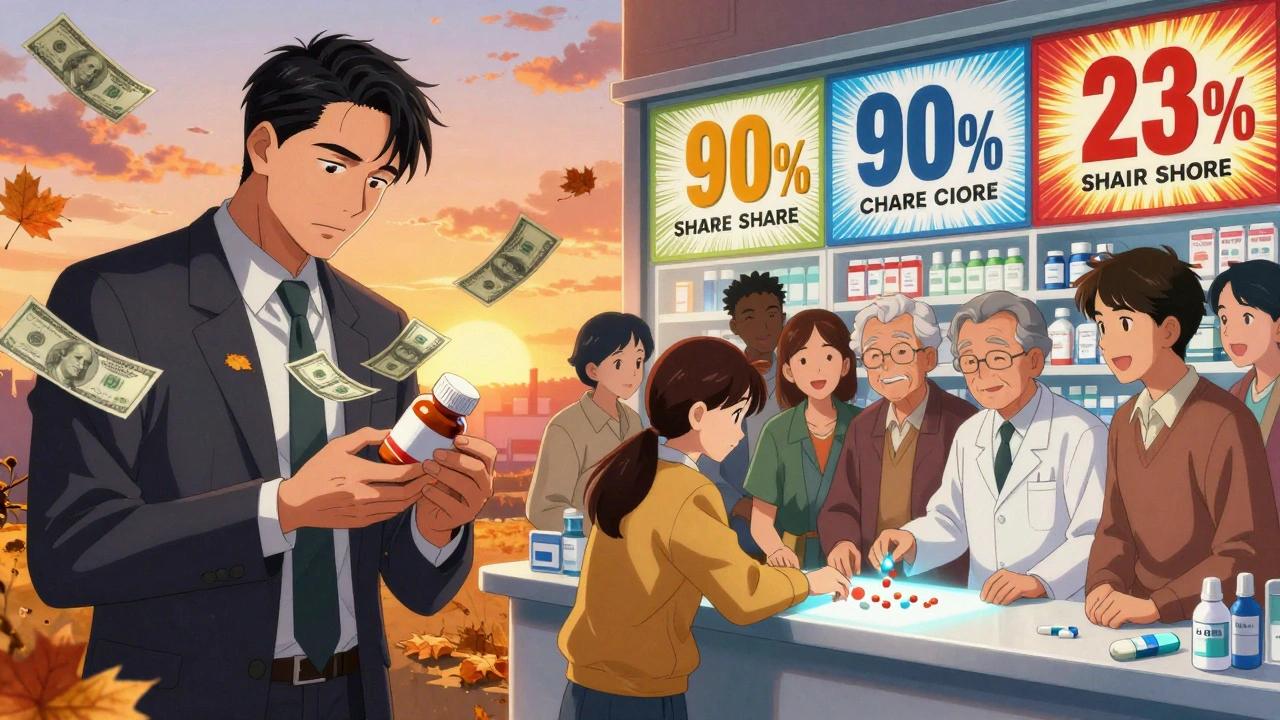
The numbers don’t lie. In 2023, generics made up 90% of all prescriptions filled in the U.S.-but only 23% of total drug spending. That means brand-name drugs, which make up less than 10% of prescriptions, are responsible for nearly 77% of the money spent. Generics are saving the system over $150 billion a year.
Are Generics Really as Effective?
You’ve probably heard stories: "My cousin switched to generic and felt worse." Or, "The pill looked different, so I didn’t trust it." Those concerns are real-but they’re usually based on misunderstandings.Let’s clear this up. A 2022 study in the Journal of Managed Care & Specialty Pharmacy looked at over 186,000 patients taking generic versus brand-name heart medications. The results? No difference in effectiveness. No increase in hospital visits. No rise in complications. Same for blood pressure meds, diabetes drugs, antidepressants, and more.
Even in sensitive areas like epilepsy, where tiny changes in drug levels can matter, the FDA maintains that approved generics meet the same strict standards. Some neurologists may suggest extra monitoring for certain patients, but that’s not because generics are unsafe-it’s because epilepsy treatment is inherently complex. It’s not a generic problem. It’s a condition-specific one.
And if you’re worried about side effects, check the FDA’s adverse event database. Reports for generics are proportional to how often they’re used. Since generics are taken 9 times more often than brand-name drugs, you’d expect 9 times more reports. And that’s exactly what you see. No spike. No hidden danger.
What About the Different Color or Shape?
This is the most common source of confusion. You’ve been taking a blue oval pill for years. Then your pharmacy hands you a white round one. Suddenly, you’re worried. Did they give you the wrong drug?They didn’t. Generic drugs can look different because they use different inactive ingredients-dyes, fillers, coatings. These don’t affect how the medicine works. They just change the pill’s appearance, taste, or how quickly it dissolves in your stomach. The active ingredient? Identical.
One patient on Reddit wrote: "Switching my blood pressure med to generic saved me $280 a month. No side effects. No difference in how I feel." That’s the story for most people. The only downside? The shock of seeing a different pill. That’s psychological, not medical.
Pharmacists are trained to explain this. Ask them. Most will show you the FDA’s official list of approved generics. They’ll tell you the drug is interchangeable. You don’t need to be afraid of the color change. You need to be afraid of skipping your meds because you can’t afford them.
Insurance and Out-of-Pocket Costs
Your insurance plan already knows generics are better. That’s why they’re structured to push you toward them.Most plans have a tiered system. Brand-name drugs? $50 copay. Generics? $1 to $10. Some plans even offer $0 copays for certain generics. Humana’s 2023 data shows patients pay an average of $1.85 per generic prescription under Medicare Part D. For brand-name drugs? Over $33.
And it’s not just about what you pay at the pharmacy. When you use generics, you’re less likely to skip doses because of cost. A 2023 study found patients on generics were 68% less likely to miss a dose than those on brand-name drugs. That’s huge. Missing doses means worse health outcomes, more ER visits, and higher long-term costs.
Most hospitals and pharmacies automatically substitute generics unless the doctor specifically writes "Do Not Substitute." That’s because they know it’s safe, effective, and saves money-for everyone.
What About Newer Drugs or Complex Treatments?
Not every drug has a generic version yet. New biologics-like insulin, rheumatoid arthritis drugs, or cancer treatments-take longer to copy because they’re made from living cells, not chemicals. But that’s changing.Biosimilars, the generic version of biologics, are now approved by the FDA. As of December 2023, there were 37 biosimilars on the market. They’re already saving billions. The Congressional Budget Office estimates they could save Medicare $50 billion a year by 2030.
For most common conditions-high blood pressure, high cholesterol, diabetes, depression, acid reflux, infections-generics have been available for years. There’s no reason not to use them.
How to Switch Safely
Switching to a generic is usually simple. Here’s how to do it right:- Ask your doctor: "Is there a generic version of this drug?" Most will say yes.
- Check your insurance formulary. Look for the lowest-cost tier.
- When you get your prescription filled, ask the pharmacist: "Is this the generic? Is it the same as my old pill?" They’ll confirm.
- If the pill looks different, don’t panic. Compare the name on the bottle. If it matches the active ingredient, you’re good.
- Monitor how you feel. If something changes-like new side effects or reduced effectiveness-call your doctor. But don’t assume it’s the generic. It might be something else.
The FDA’s "Orange Book" is the official list of approved generics and their therapeutic equivalence ratings. You can look it up online. But you don’t need to. Your doctor and pharmacist already know.
The Bigger Picture
Switching to generics isn’t just about saving money on your next prescription. It’s about keeping the whole system running. When people can afford their meds, they stay healthier. Fewer people end up in the hospital. Fewer people lose their jobs because they’re too sick to work. Fewer families go bankrupt because of medical bills.Generics aren’t a compromise. They’re the smart, safe, proven choice. They’ve been used by millions for decades. The science is solid. The savings are real. And the evidence? Overwhelming.
There’s no reason to pay more when you don’t have to. If your doctor hasn’t mentioned generics, ask. If your pharmacy switched your pill without telling you, don’t panic-just ask. You’re not being cheap. You’re being smart.
Are generic medications as safe as brand-name drugs?
Yes. The FDA requires generic drugs to meet the same strict standards for safety, strength, quality, and performance as brand-name drugs. They must contain the same active ingredient, work the same way in the body, and be manufactured under the same quality controls. Adverse event reports for generics are proportional to how often they’re used-there’s no higher risk.
Why do generic pills look different from brand-name ones?
Generic drugs can differ in color, shape, size, or taste because they use different inactive ingredients like dyes or fillers. These don’t affect how the medicine works. The active ingredient-the part that treats your condition-is identical. The FDA allows these differences to avoid trademark conflicts with brand-name drugs.
Can I trust generics for chronic conditions like high blood pressure or diabetes?
Absolutely. Studies involving hundreds of thousands of patients show no difference in outcomes between generic and brand-name drugs for conditions like hypertension, diabetes, heart failure, and depression. A 2022 study in the Journal of Managed Care & Specialty Pharmacy found identical effectiveness for cardiovascular medications. Generics are the standard of care for these conditions.
Why do some doctors hesitate to prescribe generics?
Most doctors fully support generics. But some may prescribe brand-name drugs out of habit, lack of awareness, or because a patient had a rare reaction in the past. For most medications, there’s no medical reason to avoid generics. The American Medical Association recommends prescribing generics when appropriate to reduce patient costs without compromising care.
How much money can I save by switching to generics?
On average, generics cost 80-85% less than brand-name drugs. For example, the generic version of Lipitor (atorvastatin) dropped from $130/month to $4/month. Warfarin went from $300+ to $4. Even common drugs like metformin (for diabetes) and fexofenadine (for allergies) cost $10 or less as generics versus $30-$300 for brand names. Most insurance plans charge $1-$10 for generics versus $25-$75 for brand names.
Do generics take longer to work?
No. The FDA requires generics to be bioequivalent, meaning they reach the same level in your bloodstream at the same rate as the brand-name drug. Whether it’s an antibiotic, pain reliever, or blood pressure medication, the onset and duration of action are the same. You won’t notice a delay.
Aileen Ferris
December 11, 2025 AT 17:27generic drugs arent even real medicine lol. my cousin took one and started dreaming about squirrels. i think they put magic dust in the brand ones. also why do they look like candy now? someone at the fda must be high.
Sarah Clifford
December 11, 2025 AT 17:47i switched to generic blood pressure meds and my heart started beating in rhythm with the microwave. not a joke. i now hum the jingle from the 90s ad. also my pharmacist winked at me. that’s when i knew something was off.
Ben Greening
December 11, 2025 AT 20:51The data presented here is largely accurate and well-sourced. The FDA’s bioequivalence requirements are stringent, and the cost differential is well-documented. That said, patient perception remains a significant barrier to adoption, often rooted in misinformation rather than pharmacological reality.
Mia Kingsley
December 13, 2025 AT 00:59ok but have you ever seen the ingredient list on a generic? they put like 17 different fillers in there. one of them is probably crushed up xbox controller buttons. my cousin took a generic and his tongue turned purple. he said it tasted like regret and cheap cologne. also the pill had a tiny logo on it. like a smiley face. who approved that?
Aman deep
December 13, 2025 AT 07:00i come from a village where medicine was herbs and prayers. when i first saw a generic pill in the u.s., i thought it was a candy. but then i learned: same active ingredient, same result. my uncle’s diabetes? stable. my aunt’s cholesterol? down. the color? doesn’t matter. what matters is you’re alive to see the next sunrise. don’t let fear of a white pill kill you faster than high blood pressure.
Sylvia Frenzel
December 13, 2025 AT 12:08this is why america is falling apart. we’re so desperate to save a few bucks we’ll swallow whatever the government tells us. next they’ll say generic oxygen is fine. you think your heart doesn’t know the difference? you think your soul doesn’t feel the betrayal of a white pill instead of a blue one?
Regan Mears
December 13, 2025 AT 17:35I understand the fear-really, I do. But switching to generics isn’t about cutting corners; it’s about making smart, science-backed choices. I’ve seen patients who couldn’t afford their meds skip doses, end up in the ER, and rack up $50k bills-all because they were scared of a different-shaped pill. The data doesn’t lie. You’re not being cheap-you’re being responsible. Talk to your pharmacist. They’re your ally.
Vivian Amadi
December 14, 2025 AT 10:15you people are idiots. if it’s not the same color, it’s not the same drug. period. my doctor said so. he’s got a phd. and his office has a gold plaque. you think a pharmacist with a name tag knows more than him? i’d rather die than take a generic. also my cat hates them.
matthew dendle
December 15, 2025 AT 07:54generic drugs are just brand name drugs that got fired from their job and now live in a warehouse in mexico. the fda says its fine but they also said aspartame was safe before the aliens showed up. also why do they all taste like wet cardboard? my tongue is crying
Jean Claude de La Ronde
December 16, 2025 AT 23:44we treat medicine like a commodity, not a covenant. the pill’s color doesn’t change its chemistry, but it changes our faith in healing. we’ve forgotten that trust is the first active ingredient. when we fear the generic, we’re not fearing the drug-we’re fearing a system that told us price equals value. and maybe, just maybe, that’s the real disease.