
When Can You Say No to a Generic?
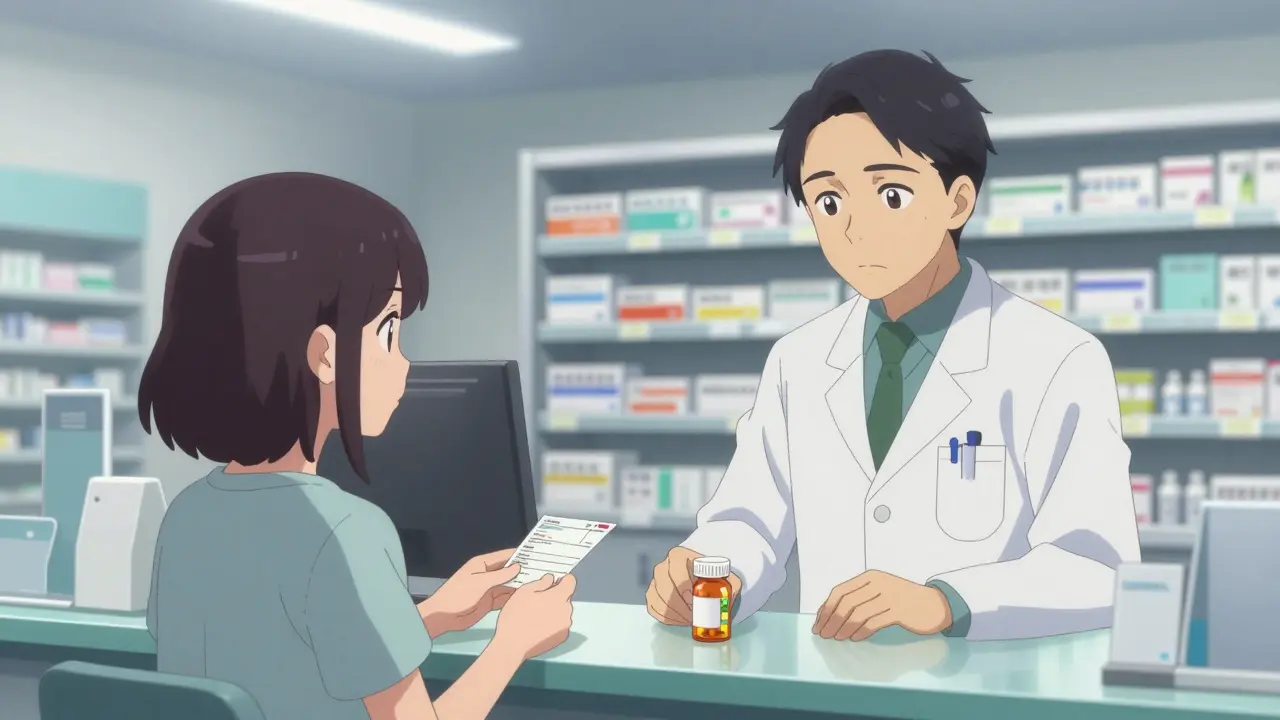
Walking into a pharmacy and walking out with a different medicine than your doctor wrote on the slip is a common frustration. You ask for your usual brand-name pill, and the pharmacist hands you a box with a different name and logo. In many places, this isn't a mistake-it's standard procedure driven by cost-saving laws known as Generic Substitution is the practice where pharmacists replace a prescribed brand-name medication with a chemically equivalent generic version. While intended to lower costs, this process often leaves patients wondering if they had any say in the decision.
If you are reading this, you likely want to control what goes into your body. Whether you are in Canada, the United States, or elsewhere, understanding the mechanics of generic substitution laws helps you navigate the counter. You have rights. But knowing exactly when to exercise them requires understanding the balance between safety, legality, and cost.
The Mechanics of Substitution Laws
Laws governing medications vary significantly depending on where you live. However, the core principle often revolves around whether the pharmacist needs permission before switching. Some jurisdictions allow automatic substitution, meaning the pharmacist can swap the drug without telling you unless you object. Others require explicit consent. For instance, laws in seven U.S. states plus Washington D.C. mandate that a pharmacist must get your specific okay before swapping a drug.
In contrast, other regions operate on a "mandatory substitution" model. Here, the pharmacist is required by law to dispense the cheapest option unless there is a medical reason not to. A 2020 study analyzing regulations across 50 U.S. states found that 19 states fell into this category. This creates a confusing environment for travelers or people who move between areas. Even within one country, the rules shift dramatically from province to province or state to state.
| Type of Law | Description | Patient Control Level |
|---|---|---|
| Mandatory Substitution | Pharmacist must substitute if a generic exists. | Low (Requires active refusal) |
| Consent Required | Pharmacist must ask before substituting. | High (Explicit approval needed) |
| Notification Only | Pharmacist substitutes but must inform you. | Medium (Retrospective) |
Regardless of the specific statute, there is usually a mechanism to stop the switch. If a state or province requires "substitution upon notice," the pharmacist has to tell you they are doing it. If you decline verbally, they cannot proceed. Knowing your local requirement is the first step to asserting your choice. If you aren't sure, asking directly is always safer than assuming.
Why Does Generic Substitution Exist?
You might wonder why we bother with these laws if some patients prefer their original brand. The primary driver is economic. Generic drugs typically cost 80-85% less than their brand-name counterparts. A Congressional Budget Office report highlighted this massive disparity, explaining why governments push for generics to reduce healthcare spending.
This cost difference benefits insurance plans and public payers like Medicare or provincial health systems. However, this system relies on the concept of Therapeutic Equivalence is a classification used by regulatory bodies like the FDA to determine if two drugs produce the same clinical effect. When a generic receives an "A" rating in documents like the FDA's Orange Book, it is deemed safe to swap. This theoretical equivalence allows policymakers to argue that the switch won't hurt patients, prioritizing cost savings over individual preference in many default scenarios.

When Substitution Might Be Risky
Not all drugs are created equal. While pills for common headaches or allergies usually swap safely, certain categories of medication have narrow margins for error. These are called Narrow Therapeutic Index (NTI) drugs. A tiny change in blood concentration can make them ineffective or dangerous.
Narrow Therapeutic Index Drugs are medications where small differences in dosage or absorption can lead to severe side effects or lack of efficacy. Common examples include antiepileptics (seizure medication), thyroid hormones like levothyroxine, and heart medications like digitalis glycosides. In some jurisdictions, such as Kentucky and Hawaii, laws explicitly protect these specific drugs from being substituted without the doctor's and patient's specific consent.
Beyond small-molecule pills, biologics present another layer of complexity. Unlike chemical generics, biosimilars are copies of large protein molecules. They are "similar" but not identical to the original product. Many experts warn that switching back and forth between a brand biologic and a biosimilar can cause immune reactions. While 45 states have stricter rules for these complex therapies compared to standard generics, the protection is not uniform. If you take insulin, cancer therapy, or autoimmune treatments, the risk of substitution increases, and your right to demand the exact brand is stronger.
Navigating Costs and Insurance Hurdles
One of the biggest hurdles isn't the law; it's your pocketbook. Insurance companies often set up incentives to force generic use. They might charge $10 for a generic but $100 for a brand. Sometimes, paying cash for the brand is actually cheaper than the insurance co-pay. Historically, some pharmacy policies prevented pharmacists from telling you this reality-a practice called "gag clauses." Fortunately, recent legislative changes, like the 2018 Know the Lowest Price Act in the U.S., largely banned these clauses, allowing pharmacists to share pricing options.
If you decide to refuse a generic, check your plan's formulary. Some Payers require prior authorization from your doctor to cover the brand. Without this, you might face a surprise bill. It pays to call your insurance provider before you fill the prescription. Ask specifically: "Is there a financial penalty for taking the brand name?" This ensures you aren't blindsided by a high deductible later.

How to Effectively Refuse Substitution
Saying no requires clarity. Simply hoping the pharmacist notices your preference rarely works. The National Consumers League suggests stating clearly, "I decline substitution." In 43 U.S. states alone, this specific phrase carries legal weight. When you speak, do not hesitate. Make it clear that you want the brand name written on the prescription or the generic only if the brand is unavailable.
If you need the brand for medical reasons, ask your doctor to add a notation on the script. Terms like "Dispense as Written," "Brand Medically Necessary," or "Do Not Substitute" signal the pharmacy that the switch is off the table. In many jurisdictions, the pharmacist legally cannot ignore these markings. Keeping a record of every refusal and communicating directly with your prescriber ensures continuity. If a new pharmacy tries to switch you without permission, request to speak to the manager immediately and cite your state's or province's specific consent requirements.
For chronic conditions where stability is key, consider establishing a relationship with a pharmacy that values communication. Some community pharmacies prioritize patient preferences over automatic cost-cutting algorithms. If you feel pushed to accept a generic despite concerns, document the interaction. Regulatory boards, like the Board of Pharmacy in your state, take reports seriously, especially regarding NTI drugs.
Common Misconceptions About Generics
A major barrier to exercising your rights is the belief that generics are "inferior." Most generics are excellent matches for the original drug. They must contain the same active ingredients, strength, and dosage form. The FDA requires bioequivalence testing to prove this. However, inactive ingredients-fillers, dyes, and binders-can differ. This is why some patients experience subtle changes in how they feel on a generic, even if blood levels remain stable.
Anecdotal evidence from patient forums shows that for drugs like insulin, small changes in formulation can spike blood sugar unpredictably. This validates the concern for some users. While statistically rare, adverse events happen. A notable lawsuit in Michigan involved a patient suffering severe side effects after an unannounced switch in antiepileptic medication. This underscores why the "right to know" matters. Transparency allows you to weigh the risk of a generic against the convenience.
Remember, you are the one living with the daily effects of the medication. While guidelines support generics for population health, your personal physiology is unique. Trusting your body's reaction is part of patient advocacy. If you've stabilized on a brand, sticking with it is often medically sound advice from long-term care perspectives.