
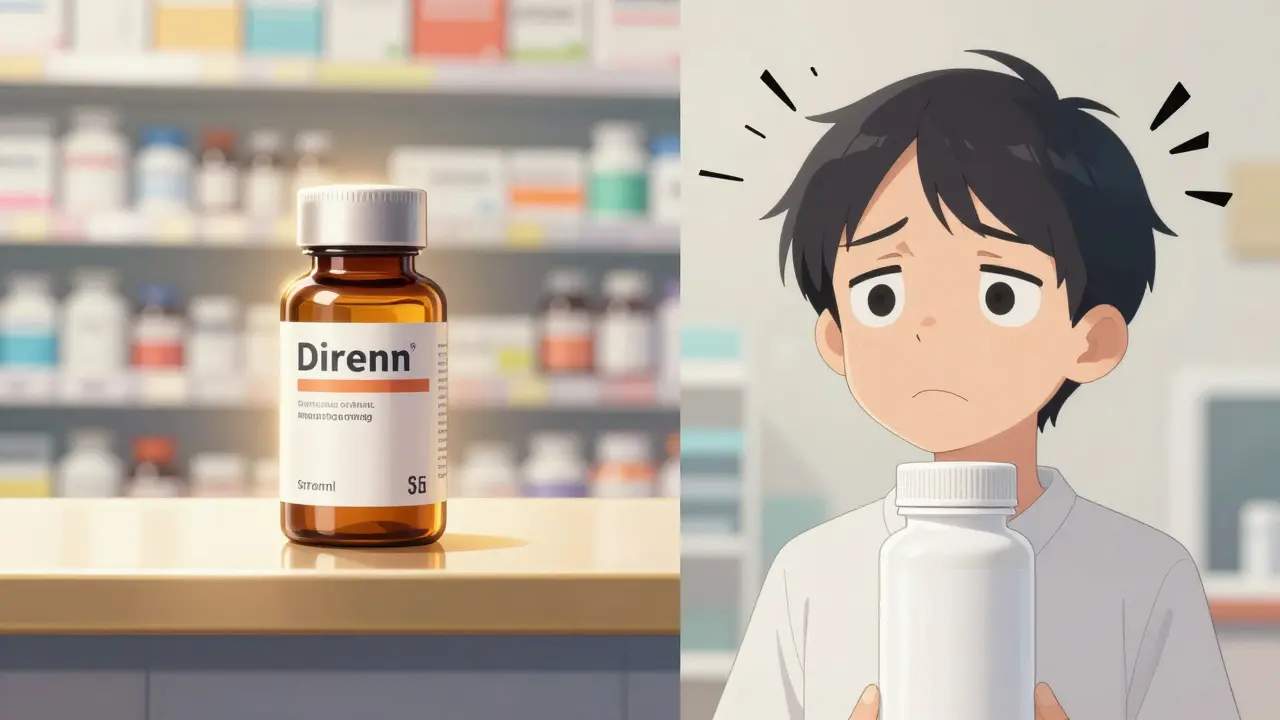
The gap between how a drug actually works and how we perceive it to work is a classic study in brand psychology is the study of how consumers perceive and respond to branded products compared to unbranded ones. In the world of medicine, this creates a strange paradox: we have scientific proof that two drugs are identical, yet millions of people swear the brand-name version is superior. Why does this happen, and does it actually affect your health?
The Science of "Same"
To understand why we doubt generics, we first have to look at what they actually are. A Generic Medication is a pharmaceutical equivalent of a brand-name drug that contains the identical active ingredient, dosage, and intended use. When a company develops a new drug, they get a patent. Once that patent expires, other companies can make the same drug.
But they can't just wing it. In the US, the FDA is the federal agency responsible for protecting public health by ensuring the safety and efficacy of drugs requires generics to prove Bioequivalence is the requirement that a generic drug delivers the same amount of active ingredient into the bloodstream within the same timeframe as the brand name. Essentially, the drug has to perform within a statistical range of 80-125% of the original's pharmacokinetic profile. While that 20% window sounds like a lot, it's clinically insignificant for the vast majority of medications.
| Feature | Brand-Name Drug | Generic Equivalent |
|---|---|---|
| Active Ingredient | Same | Same |
| Dosage & Strength | Same | Same |
| Manufacturing Standards | cGMP Compliant | cGMP Compliant |
| Price | High (Premium) | Low (80-85% cheaper) |
| Appearance | Unique/Patented | Different (Cannot copy look) |
The Nocebo Effect: The Mind's Power to Fail
If the chemicals are the same, why do people feel worse? Enter the Nocebo Effect is a phenomenon where a patient experiences negative side effects because they expect the treatment to be ineffective or harmful. It's the evil twin of the placebo effect. If you believe a generic drug is "cheap" or "inferior," your brain can actually trigger real, physical symptoms of failure.
Think about it: if you're told your new medication is a budget version of the "gold standard," you're already primed for it to fail. A 2023 study published in JAMA Network Open highlighted this perfectly. Patients who were told generics were equally effective showed 34% better adherence to their treatment. Meanwhile, those who believed generics were less effective had 41% worse adherence. The drug didn't change; the belief did.

The Psychology of the Price Tag
We are wired to associate price with quality. This is a mental shortcut called "price-quality heuristic." When we see a brand-name drug that costs $200 versus a generic that costs $20, our brain whispers, "The expensive one must be better."
Brand manufacturers know this. They spend billions on "product differentiation" campaigns. They don't have to lie about the generic; they just have to make the brand-name version feel like a premium experience. This creates a psychological barrier where the patient feels they are "settling" for a lower tier of care when they take a generic. This is especially prevalent in rural areas or among marginalized groups, where the perception that generics are "for poor people" adds a layer of social stigma to the medical choice.
When the Difference is Actually Real
To be fair, there are a few cases where the conversation gets more complicated. This usually involves Narrow Therapeutic Index (NTI) drugs are medications where a small change in dose or blood concentration can lead to a significant change in the drug's effect. Think of drugs like warfarin or levothyroxine. Because the window for success is so tight, a tiny variation in how the body absorbs the drug can actually matter.
Additionally, while the active ingredient is the same, the "inactive ingredients" (fillers, dyes, binders) are different. Some people are sensitive to these specific fillers. If you have a sudden allergic reaction or a stomach upset after switching, it might not be the drug itself, but the inactive filler used by that specific generic manufacturer. This isn't a failure of the drug's effectiveness, but it's a real physical response that reinforces the idea that the generic is "wrong" for you.
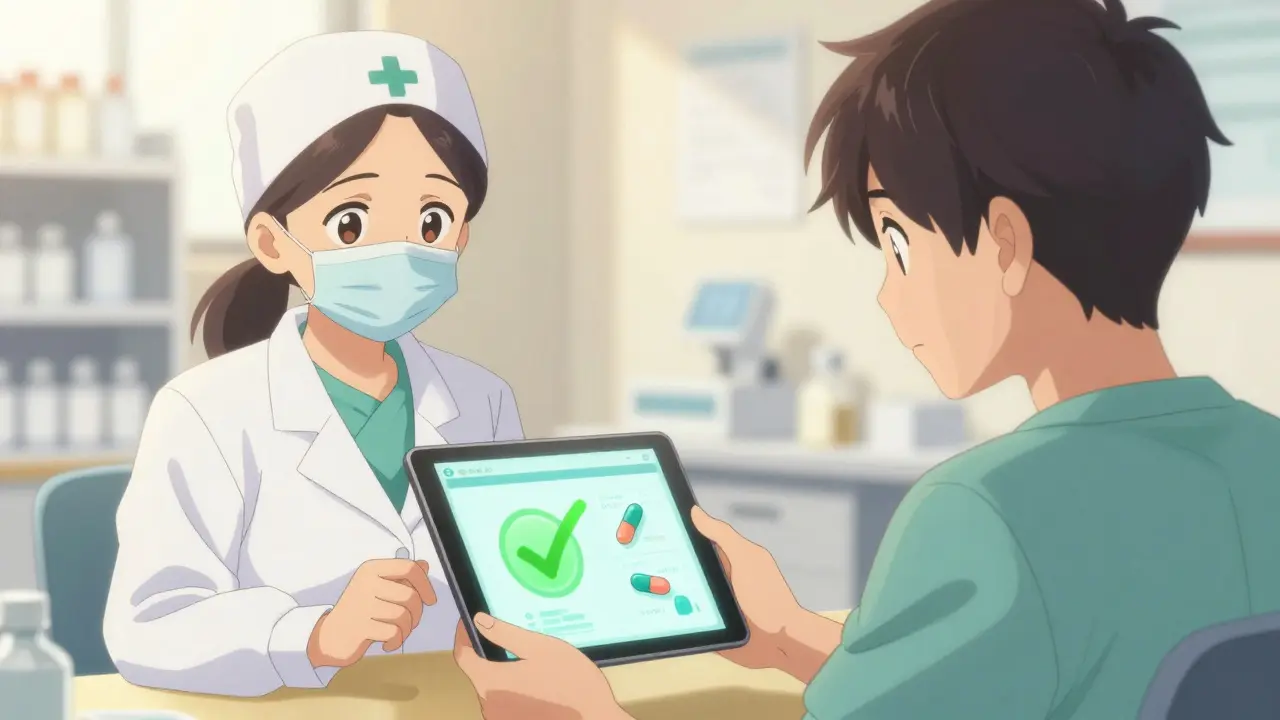
The Real-World Cost of Doubt
The danger here isn't just a few extra dollars spent on a brand name; it's a dangerous drop in medication adherence. When patients perceive a generic as inferior, they stop taking it. A 2019 study showed that 22% of patients who viewed generics as inferior discontinued their medication prematurely. Compare that to only 8% of people with a neutral view.
This creates a ripple effect. A patient stops their blood pressure medication because the generic "feels different," leading to a hypertensive crisis and an expensive ER visit. The financial savings of the generic drug are completely wiped out by the cost of a hospital stay. The perception gap literally becomes a health hazard.
How to Move Past the Brand Bias
If you're struggling with the switch to a generic, the best way forward is to replace emotion with data. Ask your pharmacist for the FDA equivalence documentation. Seeing the data that confirms the drug's bioequivalence can help shut down the nocebo response.
It also helps to recognize the global context. In Canada and the UK, acceptance rates for generics are significantly higher (often above 89%) because the healthcare systems emphasize the scientific equivalence and the societal benefit of lower costs. Shifting the perspective from "I'm getting a cheaper version" to "I'm using a scientifically validated equivalent" changes the psychological framing of the treatment.
Are generic drugs actually weaker than brand-name drugs?
No. By law, generic drugs must have the same active ingredient, strength, dosage form, and route of administration as the brand-name drug. They must also prove bioequivalence, meaning they deliver the same amount of medicine into your blood in the same amount of time.
Why does my generic medication look different?
Generic manufacturers cannot copy the exact look, shape, or color of a brand-name drug due to trademark laws. While the pill looks different, the medicine inside is the same.
Can a generic drug have different side effects?
The active ingredient will cause the same side effects. However, generics use different inactive ingredients (fillers and dyes), and some people may be sensitive to those specific additives, which can feel like a new side effect.
What is the nocebo effect in the context of generics?
The nocebo effect occurs when you expect a drug to be less effective because it is a generic, and as a result, you actually experience worse symptoms or feel the drug isn't working, even though the chemistry is identical to the brand name.
Should I ever insist on the brand-name version?
In most cases, generics are perfect. However, for Narrow Therapeutic Index (NTI) drugs, some doctors prefer a consistent brand to avoid even tiny variations in absorption. If you have a known allergy to common fillers, a specific brand may also be safer.