
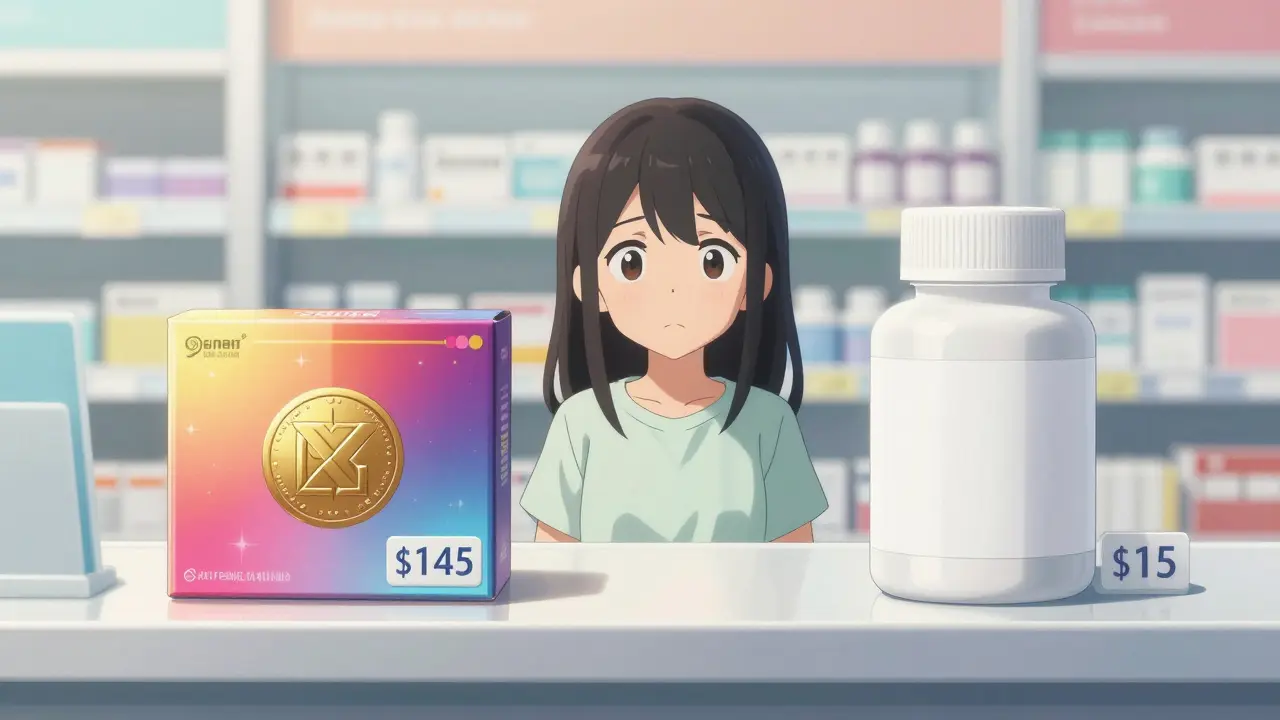
Quick Guide to Choosing Your Meds
- Active Ingredients: Generics use the exact same active drug as the brand name.
- Effectiveness: Most generics perform identically to brands in over 98% of cases.
- Cost: Generics are typically 80-85% cheaper than branded versions.
- Exceptions: Some drugs with a "narrow therapeutic index" (like certain thyroid meds) may require the brand version.
- Appearance: Generics can look, smell, or taste different due to inactive fillers.
What Exactly is a Generic Drug?
When a pharmaceutical company develops a new drug, they get a patent. This gives them a monopoly for a set time-usually around 20 years-to recover their research costs. Once that patent expires, other companies can apply to make a generic medication is a pharmaceutical equivalent of a brand-name drug that contains the same active ingredients.
To get approved, manufacturers use the Abbreviated New Drug Application (ANDA) process. They don't have to repeat the massive clinical trials the original company did. Instead, they just have to prove bioequivalence. This means the generic drug delivers the same amount of active ingredient into your bloodstream at the same rate as the brand. In real-world testing, the difference in how these drugs perform is usually around 3.5%, which is clinically insignificant for the vast majority of patients.
The Cost Gap: Why the Price Difference?
If they do the same thing, why is one so much cheaper? Brand-name companies spend billions on research, development, and massive advertising campaigns. Generic makers don't have those overhead costs. They are essentially producing a known formula, which allows them to slash prices.
The savings are staggering. For instance, a 30-day supply of generic sertraline (the generic version of Zoloft) can cost as little as $4, while the brand name might run you $400. Similarly, generic atorvastatin (Lipitor) can be found for pennies per tablet compared to several dollars for the brand. For many, these savings aren't just about extra pocket money-they are the difference between taking their medicine and skipping doses because they can't afford the refill.
| Feature | Brand Name | Generic Equivalent |
|---|---|---|
| Active Ingredient | Original formula | Identical |
| FDA Standards | Strict quality control | Identical quality standards |
| Inactive Ingredients | Specific fillers/colors | May vary (different binders/dyes) |
| Average Cost | High (due to R&D/Marketing) | 80-85% Lower |
| Appearance | Consistent | May vary by manufacturer |

When the Brand Name Actually Matters
While generics are great for most, they aren't a universal swap. There are a few specific cases where your doctor might insist on the brand name. The most common are drugs with a Narrow Therapeutic Index (NTI). These are medications where a tiny change in the dose or how the body absorbs the drug can lead to a big change in effect or a dangerous side effect.
Take levothyroxine (used for hypothyroidism) or warfarin (a blood thinner). If you switch from one generic manufacturer to another, your blood levels might shift just enough to cause a problem. This is why some states have specific laws about substituting these particular drugs.
Another area of concern is complex delivery systems. An active ingredient might be identical, but the device used to deliver it might not be. For example, some patients switching from brand-name Advair Diskus to a generic inhaler found the drug didn't work as well, not because of the chemistry, but because the inhaler's physical design changed how the medicine entered their lungs. If you use a specialized device, always ask your pharmacist if the generic version uses the exact same delivery mechanism.
Dealing with "The Switch"
One of the biggest hurdles people face when moving to a generic is the placebo effect-or rather, the "nocebo" effect. If your pill changes from a blue oval to a white circle, you might suddenly feel like it's not working as well. This is a psychological response to the change in appearance, not a failure of the drug.
You might also notice a difference in how the pill tastes or how quickly it dissolves. This is due to the excipients. These are the inactive ingredients-like binders, fillers, and preservatives-that hold the pill together. While they don't affect the drug's power, they can affect people with specific allergies. If you have a known allergy to a certain dye or filler, let your pharmacist know so they can check the inactive list for the generic version.

Practical Tips for Making the Decision
Making an informed choice doesn't have to be stressful. Start by asking your doctor, "Is there a generic version of this that is just as effective?" Most doctors are happy to switch you if it helps with adherence. If you're worried about the switch, you can ask for a "branded generic"-an authorized version that keeps the brand trust but costs slightly less.
If you are managing a chronic condition, try to stick with the same pharmacy. Since different pharmacies use different generic manufacturers, staying with one provider helps prevent "manufacturer hopping," which is when your pills change appearance every month. This consistency is especially important for those sensitive to batch variations.
Are generic drugs less potent than brand names?
No. The FDA requires generics to have the same active ingredient, strength, and purity as the brand name. They must prove bioequivalence, meaning they work in the body in the same way and provide the same clinical benefit.
Why does my generic medicine look different every time I refill it?
This happens because your pharmacy may source the same generic drug from different manufacturers. While the active ingredient is the same, the fillers and colors (inactive ingredients) can vary between companies.
Can I always switch to a generic?
In most cases, yes. However, for drugs with a narrow therapeutic index (like some anti-epileptics or thyroid meds), your doctor may prefer the brand name to ensure a perfectly consistent dose. Always consult your provider before switching high-risk medications.
Does the FDA actually monitor generic drug quality?
Yes. Generic manufacturers must follow the same Current Good Manufacturing Practice (CGMP) regulations as brand-name companies. The FDA conducts regular inspections to ensure purity, stability, and quality.
What should I do if I feel the generic isn't working?
First, track your symptoms. If you notice a real change in your health, contact your doctor. It could be a rare case of bioequivalence sensitivity or a reaction to an inactive ingredient. Your doctor can then decide if you need to switch back to the brand or try a different generic manufacturer.
Next Steps for Patients
If you're currently on a brand-name medication, check your insurance formulary or use a tool like GoodRx to see if a generic exists. If it does, bring it up at your next appointment. For those already on generics who are experiencing side effects, ask your pharmacist for the specific manufacturer's name and see if switching to a different generic brand resolves the issue.