
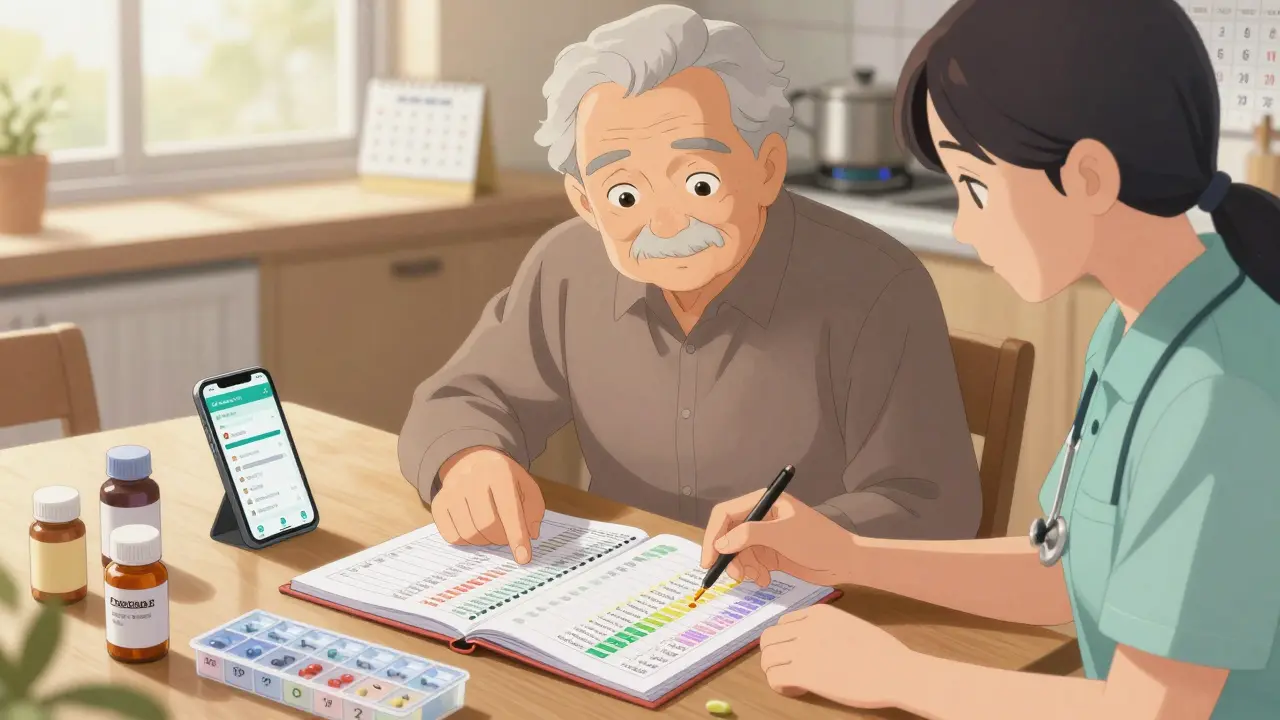
When someone is taking multiple medications, especially older adults or those with chronic conditions, managing pills can become overwhelming. Missing a dose, mixing up pills, or not knowing when to take something can lead to serious health problems. That’s where family members or caregivers come in-not as replacements for doctors, but as essential partners in keeping medication routines on track. The goal isn’t just to remind someone to take their pills. It’s to prevent errors, reduce hospital visits, and give everyone peace of mind.
Start with a Complete Medication List
The first step in involving caregivers is building a master list of every medication the person is taking. This isn’t just a note on a napkin. It needs to include specific details for each drug: the brand name, the generic name, the exact dosage (like "Lisinopril 10mg"), how often it’s taken ("once daily at 8 AM with breakfast"), why it was prescribed, and any known side effects or interactions. The Agency for Healthcare Research and Quality recommends including 17 key data points per medication. Why? Because incomplete lists are one of the biggest causes of medication errors during hospital-to-home transitions, where up to 60% of mistakes happen.Keep this list updated. If a doctor changes a dose or adds a new drug, update the list within 24 hours. Carry a printed copy to every appointment. Many caregivers report that simply bringing this list to doctor visits helps catch dangerous combinations-like when a new blood pressure med interacts with an arthritis drug. One caregiver in Ohio said her binder helped her spot a dangerous interaction before it caused harm. That kind of vigilance saves lives.
Use Tools That Actually Work
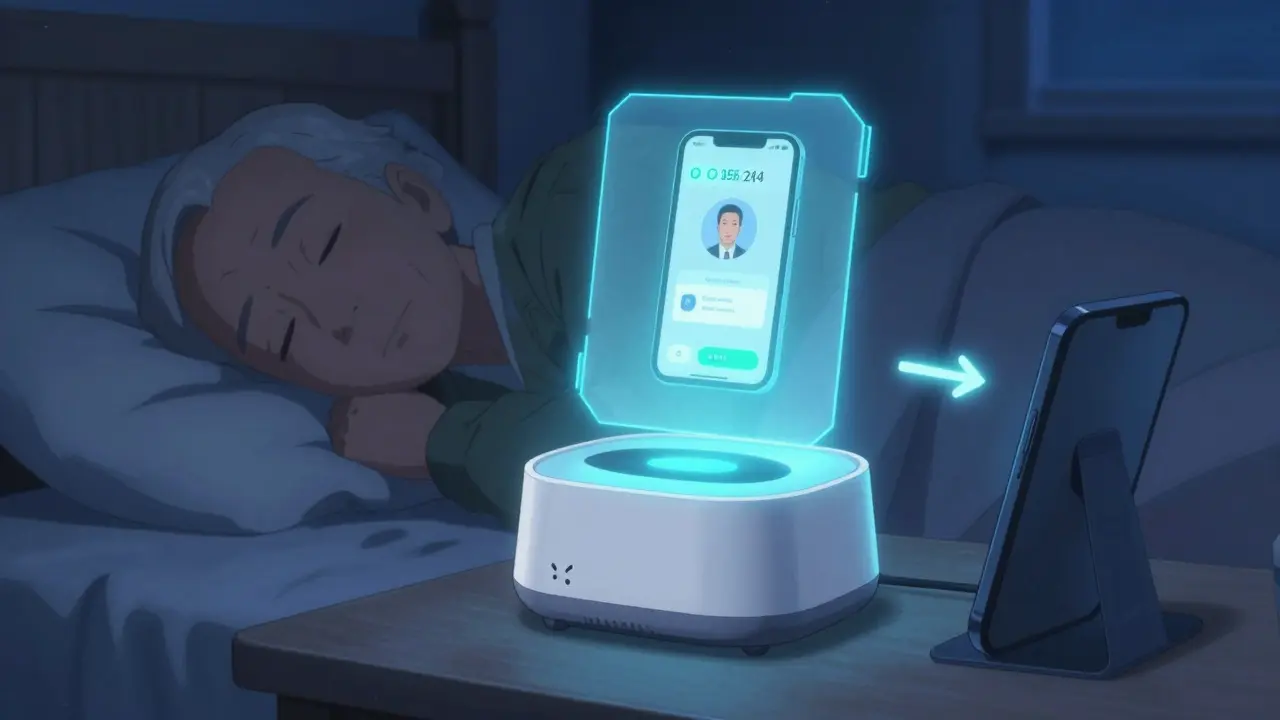
Pill organizers are a common solution, but not all are created equal. A simple 7-day AM/PM compartment organizer reduces medication errors by 37%, according to a 2022 study in the Journal of the American Geriatrics Society. For more complex regimens, electronic dispensers like Hero Health’s system can cut missed doses by 62%. These devices lock pills until the scheduled time, play alarms, and even send alerts to caregivers’ phones if a dose is skipped.Smartphone apps like Medisafe and Round Health also help. Research shows they improve adherence by 45% compared to paper logs. For people with memory issues, voice assistants like Amazon Alexa can be game-changers. A 2023 University of Pittsburgh study found that voice reminders reduced missed doses by 37% in patients with cognitive decline. Set up routines like: "Alexa, remind me to take my blood thinner at 8 AM every day."
Don’t forget automatic refills. Most major pharmacies-CVS, Walgreens, and Medicare Part D plans-offer this service. Setting it up 7-10 days before a prescription runs out prevents gaps in treatment. Over 85% of pharmacies offer this as of early 2024. It’s one of the easiest ways to remove a burden from the caregiver’s plate.
Build Routines Around Existing Habits
Trying to create a new habit from scratch is hard. But linking medication times to things already done daily? That’s called habit stacking, and it works. The National Institute on Aging recommends tying pill-taking to routines like brushing teeth, eating breakfast, or turning off the TV at night. One study found this method increased adherence by 28%.For example: "After I brush my teeth in the morning, I take my blood pressure pill." Or: "Right after dinner, I open the pill box and take my evening meds." These cues become automatic. Over time, the person doesn’t have to think about it. The caregiver doesn’t have to remind them. The routine just happens.
Get Help from Pharmacists
Pharmacists are the most accessible medication experts in the healthcare system. As of late 2023, 92% of U.S. pharmacies have pharmacists available for free consultations without an appointment. Caregivers should take advantage of this. Don’t just pick up the prescription-ask questions.The American Pharmacists Association suggests asking four key questions during every pharmacy visit:
- What time should this be taken relative to meals?
- Are there specific foods or other medications to avoid?
- What should I do if a dose is missed?
- When should I expect to see results?
These aren’t just nice-to-knows-they’re critical. A missed dose of anticoagulants like warfarin can cause a stroke. A drug interaction with grapefruit juice can send potassium levels dangerously high. Pharmacists catch these things daily. They also help identify medications on the Beers Criteria list-30 drug classes that are risky for older adults. If a doctor prescribes one of these, ask: "Is there a safer alternative?"
Review Medications Regularly
Medication lists don’t stay relevant forever. People get new diagnoses, stop taking drugs, or switch to generics. The American Geriatrics Society recommends a full medication review every three months for anyone taking four or more prescriptions. These reviews cut inappropriate prescriptions by 22%, according to a 2022 JAMA Internal Medicine analysis.During reviews, ask: "Is this still necessary?" "Are we doubling up on the same drug?" "Are any of these causing side effects like dizziness or confusion?" Polypharmacy-taking five or more medications-affects 45% of adults over 65. It increases fall risk by 50% and hospitalization risk by 30%. A careful review can often reduce the number of pills without harming health.
Prepare for Emergencies
Not all missed doses are equal. Some medications, like insulin, blood thinners, or seizure drugs, can be dangerous if skipped. Create a "medication red list"-a clear, printed list of drugs that require immediate medical attention if not taken. Share this list with all caregivers and keep it near the phone.A 2023 study in Annals of Internal Medicine found that families who used a red list reduced emergency room visits by 19%. For example: "If Mom misses her insulin, call 911 right away. Don’t wait." Keep emergency contacts, including the primary doctor and pharmacy, taped to the fridge. Include instructions like: "Do not give aspirin if she’s on blood thinners."

Attend Appointments Together
Caregivers who go to medical appointments with their loved ones understand the treatment plan better. The AARP’s 2023 Caregiving Survey found that 89% of caregivers who attended appointments reported clearer understanding of medication instructions. They also caught errors doctors missed.Bring the updated medication list. Write down questions ahead of time. Ask: "Can we simplify this schedule?" "Is there a once-daily version?" "What happens if we stop this one?" Don’t be afraid to push for clarity. Doctors are busy. Caregivers are the ones who see the real-life effects of these prescriptions every day.
Watch for Burnout
Medication management is one of the most stressful parts of caregiving. The National Alliance for Caregiving found that 42% of caregivers say managing meds is their biggest source of stress. That’s not surprising. It’s constant. It’s complex. It’s high-stakes.If you’re feeling overwhelmed, it’s okay to ask for help. Talk to a social worker. Ask about home care services. Check if your pharmacy offers a caregiver support line. Walgreens launched its "Caregiver Support Hub" in March 2024, with pharmacists trained specifically for this role. CVS Health now integrates in-home medication assessments into care visits through its Signify Health acquisition.
Remember: you don’t have to do it all alone. The goal isn’t perfection-it’s safety. If you’re tired, take a break. Ask someone else to help with refills. Use technology. Let pharmacists guide you. You’re doing something important. But you can’t do it if you’re running on empty.
What’s Changing Now?
The system is getting better. The 21st Century Cures Act requires electronic health records to include patient-facing medication lists by 2025. Hospitals must now involve caregivers in discharge planning. Medicare Part D served over 11 million beneficiaries with Medication Therapy Management (MTM) services in 2023. And digital tools are exploding-67% annual growth in adherence tech since 2020.AI-powered assistants are coming. Systems like Amazon’s Alexa Care Hub saw 200% user growth in 2023. Experts predict 65% of caregiver support will use AI tools by 2027. But even with all this tech, human involvement remains key. No app can replace a caregiver who notices a loved one is more tired than usual, or who remembers that the doctor changed the dose last week.
Medication support isn’t about control. It’s about connection. It’s about making sure someone gets the right pill at the right time, so they can stay healthy, stay independent, and stay home.
What if my loved one refuses help with their medications?
Start by listening. Often, resistance comes from fear of losing independence. Instead of saying "I’m going to help you," try: "I noticed you’ve been having trouble remembering your pills. Would you be open to trying a pill organizer? I’ll help set it up, but you keep control." Frame it as a tool, not a takeover. Small wins build trust. Maybe start with just one medication, or just morning pills. Let them lead the pace.
How do I handle multiple doctors prescribing different meds?
This is one of the biggest challenges. When someone sees four different specialists, each might prescribe without knowing what the others ordered. Create a master medication list with all 17 required details. Bring it to every appointment-every time. Ask each doctor: "Do you know what else this person is taking?" Request that each provider update the list in their notes. Many clinics now use shared electronic records, but not all. Don’t assume they’re talking to each other. You’re the only one who can connect the dots.
Are over-the-counter meds and supplements included?
Yes. OTC drugs and supplements are responsible for nearly 20% of medication errors in older adults. Things like ibuprofen, melatonin, or garlic supplements can interact dangerously with prescriptions. For example, ibuprofen can raise blood pressure in people on ACE inhibitors. St. John’s Wort can interfere with blood thinners. Add every OTC and supplement to the master list, even if "it’s just a vitamin." Include the brand, dose, and why they’re taking it.
Can I use a digital app if my loved one doesn’t use smartphones?
Yes. Many apps like Medisafe and Round Health let caregivers receive alerts when a dose is missed. Set up the app on your phone, input all the medications, and let it send you notifications. You can then remind your loved one manually. Some devices also offer voice-based interfaces or large-button dispensers that don’t require smartphone use. The tech helps you, not them. Your involvement is still the key.
What if my loved one lives far away?
Distance makes coordination harder, but not impossible. Use a shared digital medication list (Google Doc or a caregiver app) that updates in real time. Set up automatic refills with their pharmacy. Ask a neighbor or local home care aide to check in weekly to confirm pills are taken. Use video calls to review the pill box together. Many pharmacies now offer video consultations with pharmacists. You can join remotely. Even from far away, you can still be part of the team.
Robert Petersen
February 13, 2026 AT 19:50This is exactly the kind of practical, human-centered guide that’s missing from so many healthcare resources. I’ve seen firsthand how a simple pill organizer and a daily routine tied to brushing teeth can transform someone’s independence. No fancy tech needed-just consistency and care.
And yes, pharmacists are unsung heroes. I took my mom to hers last month and they caught a dangerous interaction between her statin and a supplement she’d been taking for years. She had no idea. That’s the power of showing up.
You don’t need to be perfect. You just need to be present.
Luke Trouten
February 13, 2026 AT 23:59The real breakthrough here isn’t the tools-it’s the shift from control to collaboration. Too often, caregivers act as enforcers, and that breeds resentment. The key is inviting participation, not imposing structure. Asking ‘Would you be open to trying…’ instead of ‘You need to…’ changes everything.
It’s not about compliance. It’s about dignity. Medication adherence isn’t a chore to be monitored-it’s a ritual to be co-created. When people feel like agents in their own care, they’re more likely to stay engaged. That’s not just psychology-it’s ethics.
And yes, the 17-data-point list? Non-negotiable. If you’re not tracking brand, generic, dose, timing, indication, and side effects, you’re flying blind. Half of all med errors happen because someone assumed something was ‘just a vitamin.’
andres az
February 15, 2026 AT 06:42Let’s be real-this whole ‘caregiver as partner’ narrative is corporate wellness fluff. Hospitals and pharma companies want you to believe that if you just use their app or buy their pillbox, everything’s fine. But the system is designed to fail. Doctors don’t talk to each other. Pharmacies don’t flag interactions. Medicare doesn’t fund oversight. You’re being asked to do the job of a clinical pharmacist, a nurse, and a case manager… for free.
And don’t get me started on Alexa. Voice assistants don’t know if your grandma’s eyes are glazed over or if she’s faking compliance because she hates the side effects. Tech doesn’t replace vigilance. It just outsources guilt.
Also-why is no one talking about how many of these meds are unnecessary? Polypharmacy isn’t an accident-it’s a revenue stream. 45% of seniors on five+ drugs? That’s not aging. That’s exploitation.
steve sunio
February 15, 2026 AT 14:01lol this is soooo 2020 i mean come on like really u think a pillbox solves anything? u need to look at the bigger picture like the pharmaceutical industrial complex and how they profit off chronic dependency and how doctors are paid per script not per outcome and also the fact that most elderly people are prescribed meds they dont need and then u have family members stressed out trying to manage it all like its their job when really the system is broken as hell
also i read somewhere that 78% of otc meds cause liver damage in seniors but no one talks about that so yeah
Neha Motiwala
February 16, 2026 AT 12:52I just want to say-this article is a lifeline. I’ve been caring for my dad for 3 years and I almost quit last month because I was so overwhelmed. The red list? I made one. I printed it. I taped it to the fridge next to his insulin. And guess what? When he missed a dose last week, I didn’t panic-I called 911 immediately. He’s fine. But if I hadn’t had that list? I don’t know what would’ve happened.
Also-pharmacists. I didn’t even know they could do consultations. I went in last week and asked about his blood pressure med and the pharmacist said ‘Oh honey, this was discontinued in 2022. You’re on a generic that’s 3x stronger.’ I cried. I was so angry. And so grateful.
Thank you for saying we don’t have to do it alone. We don’t. We just need someone to show us how.
Craig Staszak
February 18, 2026 AT 04:25One thing no one mentions: the emotional toll of being the one who remembers. It’s not the pills. It’s the weight of knowing if you forget, someone might die. That’s a burden no app can carry.
But here’s the good news-you’re not alone. Talk to other caregivers. Join a group. Even online. There’s power in saying ‘I’m tired’ and having someone say ‘Me too.’
And if you’re reading this and you’re not a caregiver? Ask the person next to you. Maybe they’re carrying this silently. A simple ‘How’s med management going?’ can mean more than you know.
Alyssa Williams
February 18, 2026 AT 18:46My grandma refuses help. So I started leaving sticky notes with emojis next to her coffee mug. 🌞 = morning pills. 🌙 = night pills. She didn’t say anything. But last week I found a new one: 🍎 = apple juice with her blood thinner. She’s 84. She figured it out. No app. No lecture. Just a little love.
Also-over-the-counter meds? I added her turmeric and melatonin to the list. Turned out the melatonin was making her dizzy. Pharmacist said ‘Stop it.’ Done. She’s walking better now.
You don’t need to be perfect. Just consistent. And kind.
Steve DESTIVELLE
February 20, 2026 AT 14:13When you think about medication management you have to consider the metaphysical dimension of adherence because the act of taking a pill is not merely a physiological event but a symbolic gesture of surrender to a system that demands compliance while offering no real autonomy to the individual who is being medicated
The pill becomes a proxy for control the caregiver becomes the agent of institutional power and the patient the passive recipient of a regimen designed not for healing but for statistical optimization
And yet we celebrate the pill organizer as if it were a miracle when in truth it is merely a more elegant cage
What if we stopped trying to manage the pills and started managing the conditions that make pills necessary in the first place
But of course that would require systemic change and we are not ready for that
So we give them apps and alarms and binders and call it compassion