
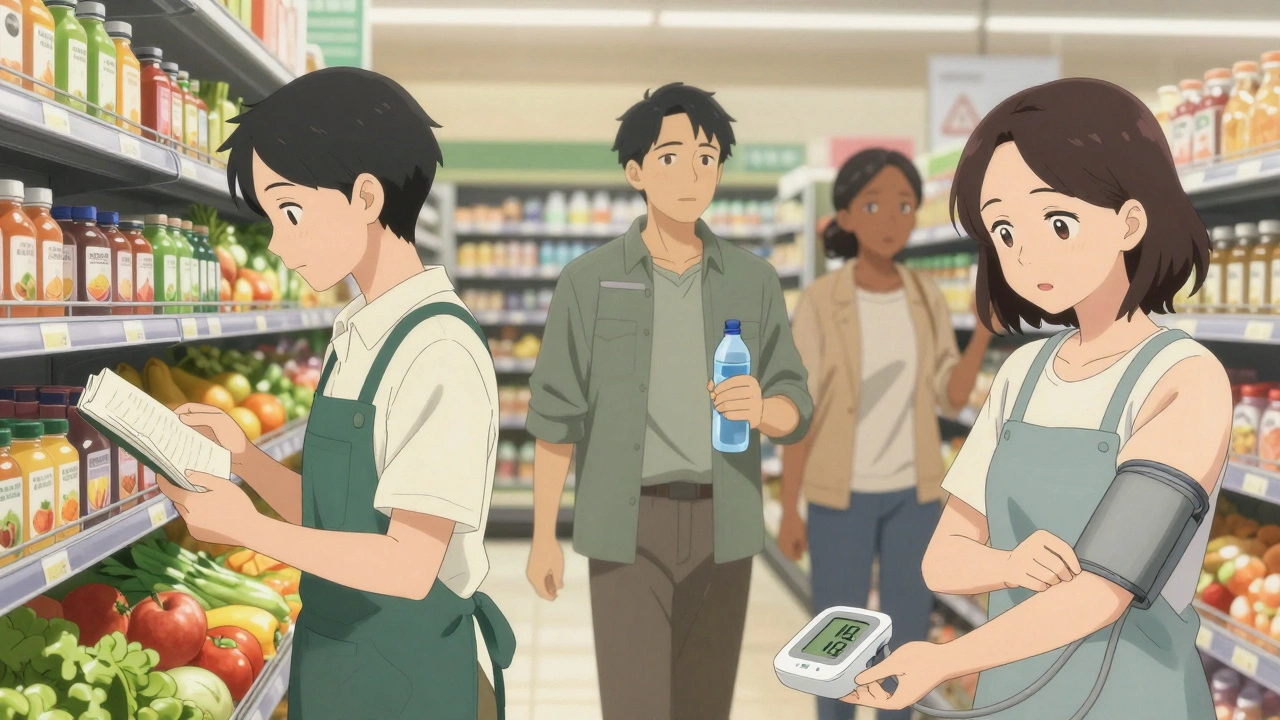
One in three adults in the U.S. has a risk factor for kidney disease, and most don’t even know it. Chronic kidney disease (CKD) doesn’t come with warning signs until it’s far along - by then, the damage is often irreversible. But here’s the good news: prevent kidney disease before it starts. You don’t need a miracle cure. You need to know the risks and make a few smart, daily choices.
What Really Causes Kidney Damage?
Your kidneys filter about 120 to 150 quarts of blood every day. They remove waste, balance fluids, and help control blood pressure. When they’re overworked or damaged, toxins build up, fluid leaks into tissues, and your whole body suffers. The biggest threats aren’t mysterious toxins or bad luck. They’re everyday conditions most people ignore:- High blood pressure - affects 68% of people with CKD. When your blood pressure stays above 130/80 mm Hg, it slowly crushes the tiny filters in your kidneys.
- Type 2 diabetes - the number one cause of kidney failure. Nearly 40% of people with diabetes will develop kidney disease. High blood sugar clogs the kidney’s filtering system like rust in pipes.
- Obesity - extra weight forces your kidneys to work harder. Losing just 5 kg (about 11 pounds) cuts your risk by 25-30%.
- Smoking - smokers lose kidney function 50% faster than non-smokers. Nicotine narrows blood vessels, reducing oxygen to the kidneys.
- Chronic NSAID use - taking ibuprofen or naproxen every day for headaches or back pain? That’s a hidden risk. These drugs cause 3-5% of new kidney disease cases each year.
What You Can Do Today (No Doctor Required)
Prevention isn’t about drastic diets or expensive supplements. It’s about consistent, small habits that add up.1. Eat Like Your Kidneys Depend on It - Because They Do
Your plate matters more than you think. Here’s what works:- Keep sodium under 2,300 mg per day. That’s about one teaspoon of salt. Most people eat twice that. Skip processed snacks, canned soups, and fast food. Read labels - even bread can have 300 mg per slice.
- Eat five servings of fruits and vegetables daily. Think apples, spinach, berries, carrots, and broccoli. They’re packed with antioxidants that protect kidney tissue.
- Choose lean proteins. Fish, chicken, beans, and tofu are better than red meat. Too much protein - more than 1.2 grams per kilogram of body weight - stresses your kidneys.
- Avoid sugary drinks. One soda a day adds 7% to your daily calorie intake and spikes blood sugar. That’s a direct path to diabetes and kidney damage.
2. Move More - Even If You Hate the Gym
You don’t need to run marathons. Just get moving:- 150 minutes of brisk walking per week. That’s 30 minutes, five days a week. Walk after dinner. Park farther away. Take the stairs.
- Two strength sessions a week. Use resistance bands, bodyweight squats, or light dumbbells. Strong muscles help control blood sugar and blood pressure.
3. Control Your Numbers
You can’t fix what you don’t measure. Get these checked annually:- Blood pressure: Aim for 120/80 mm Hg. If you’re over 130/80, talk to your doctor. Don’t wait for symptoms.
- A1C (for diabetics): Test at least twice a year. Target under 7% - but your doctor may set a different goal.
- Urine albumin test: This simple urine test checks for protein leakage - an early sign of kidney damage. If you have diabetes, high blood pressure, or a family history, ask for it.
4. Quit Smoking - It’s the Fastest Way to Protect Your Kidneys
Smoking doesn’t just hurt your lungs. It shrinks blood vessels that feed your kidneys. Within months of quitting, kidney function starts to improve. And your risk of kidney failure drops by 30-50% over time.5. Limit Alcohol and Skip the Painkillers
- Alcohol: Stick to one drink a day for women, two for men. More than that raises blood pressure and increases kidney damage risk.
- NSAIDs: Don’t take ibuprofen or naproxen daily. Use acetaminophen instead if you need pain relief. If you have high blood pressure or diabetes, ask your doctor for safer options.
Who’s at Highest Risk?
Some people need to be extra careful:- Black Americans: 3.4 times more likely to develop kidney failure than White Americans.
- Hispanic Americans: 1.3 times more likely.
- People with family history: If a parent or sibling has kidney disease, your risk doubles.
- Those over 60: Kidney function naturally declines with age.
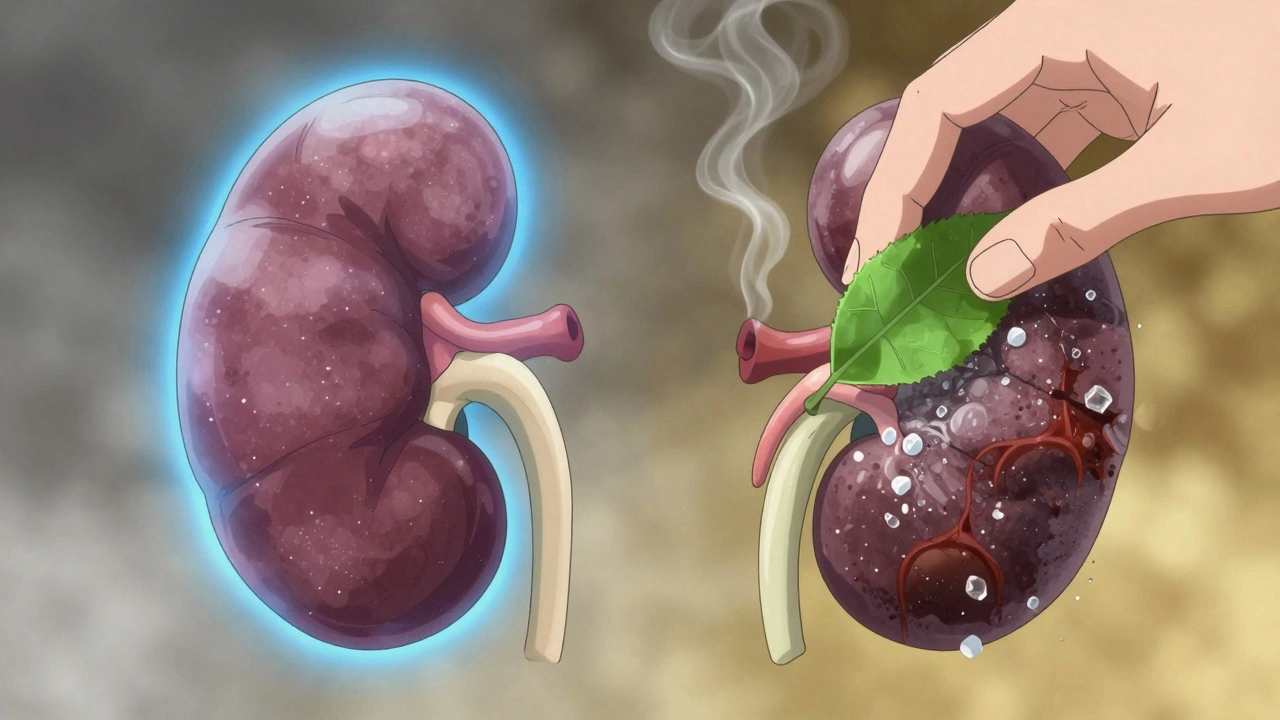
Stress and Sleep - The Silent Kidney Killers
Most people don’t realize stress and poor sleep directly harm kidney health.- Chronic stress raises cortisol, which increases blood pressure and inflammation. A Johns Hopkins study found that people who practiced mindfulness or meditation slowed kidney disease progression by 15%.
- Bad sleep (less than 6 hours a night) disrupts hormones that regulate fluid balance and blood pressure. Aim for 7-8 hours.
What About Supplements and Herbal Teas?
Skip the trendy kidney “detox” teas and supplements. Many contain herbs like aristolochic acid - which is known to cause irreversible kidney damage. The FDA has warned against several popular herbal products for this reason. There’s no magic pill. The only proven “supplement” for kidney health is a balanced diet, hydration, and avoiding toxins.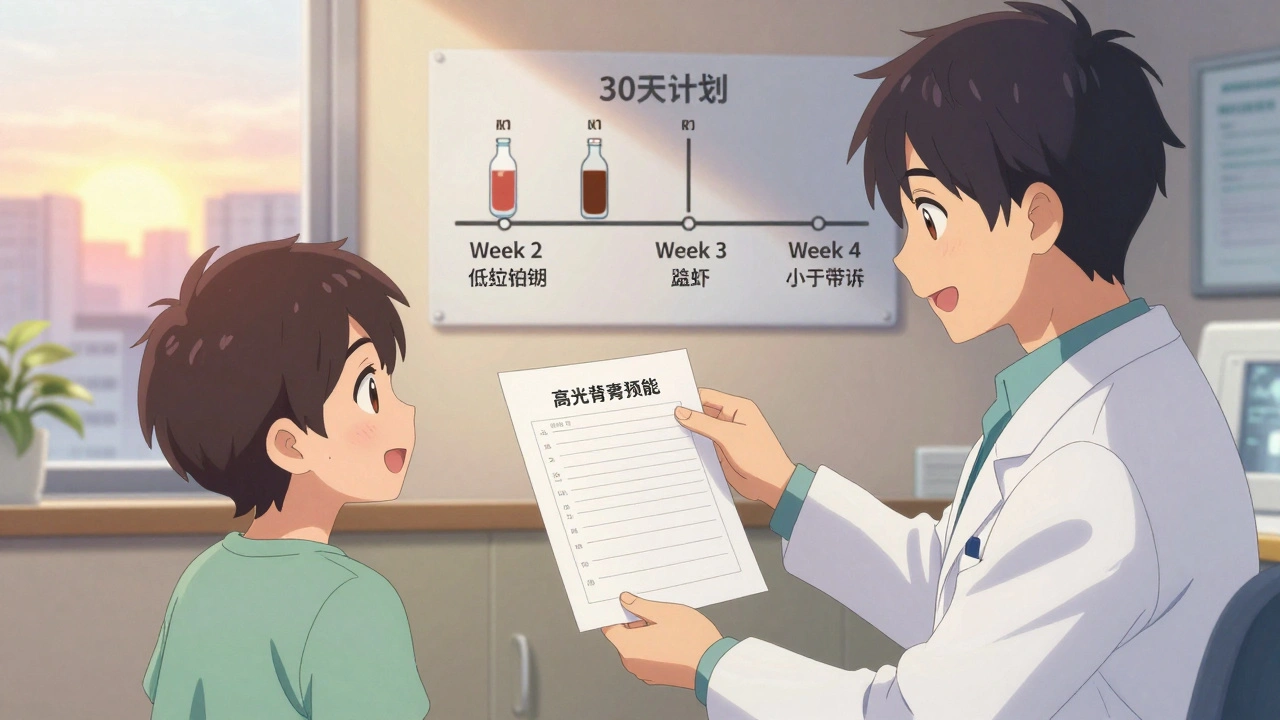
Why Prevention Saves Money - and Lives
Kidney failure costs Medicare $128 billion a year in the U.S. That’s more than $100,000 per patient on dialysis. The CDC estimates that if just 25% of at-risk people adopted basic prevention habits, we could avoid 300,000 cases of kidney failure every year. That’s not just numbers - it’s people who avoid lifelong dialysis, transplants, and early death. Prevention isn’t just good for you. It’s good for the system.Where to Start - A Simple 30-Day Plan
You don’t have to change everything at once. Pick one thing and stick with it for 30 days:- Week 1: Cut out sugary drinks. Replace them with water, unsweetened tea, or sparkling water.
- Week 2: Read food labels. Avoid anything with more than 200 mg of sodium per serving.
- Week 3: Walk 30 minutes five days this week. Use a free app to track it.
- Week 4: Schedule a check-up. Ask for a blood pressure check, urine test, and kidney function test (eGFR).
What If I Already Have Kidney Disease?
Even if you’re in early-stage CKD (Stage 1 or 2), lifestyle changes still work. Studies show dietary and exercise interventions are 40% more effective in early stages than in advanced ones. You can still slow or even stop progression. Talk to a dietitian. Ask about the DASH diet - designed for high blood pressure and kidney health. Join a diabetes prevention program if you’re prediabetic. These programs cut diabetes risk by 26%. It’s never too late to act.Can you reverse kidney damage?
Early-stage kidney damage can often be slowed or stopped with lifestyle changes - especially if you control blood pressure and blood sugar. But once kidney tissue dies, it doesn’t regenerate. The goal isn’t to reverse damage - it’s to prevent more from happening.
How do I know if I have kidney disease?
Most people have no symptoms until it’s advanced. The only way to know is through blood and urine tests: eGFR (blood test) and urine albumin (urine test). If you have diabetes, high blood pressure, obesity, or a family history, get tested yearly.
Is drinking lots of water good for kidneys?
Staying hydrated helps your kidneys filter waste, but drinking excessive water won’t “flush” them or prevent disease. For most people, drinking when thirsty and matching fluid intake to activity level is enough. If you have advanced kidney disease, your doctor may limit fluids.
Are there foods I should avoid completely?
Avoid processed foods high in sodium, added sugars, and unhealthy fats. That means fast food, packaged snacks, sugary cereals, and canned soups. Also avoid herbal supplements marketed as “kidney cleansers” - many are dangerous and unregulated.
Can I still drink coffee?
Yes, moderate coffee (1-2 cups a day) is generally safe and may even lower kidney disease risk. Avoid adding sugar, creamers, or flavored syrups. Stick to black or with a splash of milk.
How often should I get my kidneys checked?
If you have diabetes, high blood pressure, obesity, or a family history of kidney disease, get tested at least once a year. If you’re over 60 or from a high-risk group (Black or Hispanic), yearly screening is strongly recommended. For healthy adults without risk factors, ask your doctor during your next physical.
If you’ve made it this far, you’re already ahead of most people. Kidney disease doesn’t strike suddenly - it creeps in. But you don’t have to wait for it to catch you. Start today. One meal, one walk, one less pill. Small steps build strong kidneys.
Ashley Farmer
December 6, 2025 AT 15:54I’ve been managing my blood pressure since my mom had kidney issues, and cutting out processed food was the biggest game-changer. I started reading labels like my life depended on it-because it kinda does. No more canned soups, no more frozen pizzas. Just fresh veggies, brown rice, and grilled chicken. It’s not glamorous, but my eGFR improved last year. Small steps, really.
Also, walking after dinner with my dog? Best habit I ever made. Doesn’t feel like a chore anymore.
Anyone else notice how much better you sleep when you stop eating junk before bed?
Nicholas Heer
December 8, 2025 AT 10:57They’re hiding the real cause. Big Pharma and the FDA don’t want you to know kidney damage is caused by fluoride in the water and GMO corn syrup. They profit off dialysis. The real solution? Reverse osmosis filters and organic stevia. Read the CDC’s 2017 internal memo-banned but leaked. I’ve got screenshots.
And don’t get me started on NSAIDs. They’re just the tip. The real villain? Sodium chlorite in toothpaste. I stopped using it. My kidneys are screaming thank you.
Also, why do they never mention the 5G towers? They fry your renal cortex. I’m not crazy. I read a paper.
Oliver Damon
December 8, 2025 AT 21:30The data here is solid, but it’s incomplete without addressing epigenetic predisposition. Even with perfect lifestyle habits, some individuals carry polymorphisms in APOL1 or UMOD genes that drastically increase CKD risk-especially in Black populations. Prevention isn’t just behavioral; it’s genomic.
And while diet and exercise reduce progression, they don’t eliminate risk for those with hereditary forms. We need population-level genetic screening, not just ‘get checked yearly.’
Also, the DASH diet is evidence-based, but its sodium targets are still too high for high-risk groups. 1500mg is the real sweet spot.
It’s not just about personal responsibility. It’s about structural biology.
Wesley Phillips
December 9, 2025 AT 20:58Wow you actually wrote a whole article without saying ‘just drink more water’ like every other blog. Impressive. I’m impressed.
Also, NSAIDs are evil. I used to take ibuprofen like candy for my back. Now I take Tylenol and pretend I’m a responsible adult. It’s a whole vibe.
And yes, coffee is fine. Black. No sugar. No cream. No nonsense. If you’re adding syrups, you’re already halfway to dialysis. Just saying.
Also, I’m 52. My eGFR is 82. I’m not a doctor. But I am a guy who reads.
Also also, I don’t believe in ‘detox teas.’ They’re just expensive diuretics. Like buying a fan to cool down a furnace.
Kyle Oksten
December 10, 2025 AT 04:19There’s a dangerous myth here that kidney damage is reversible. It’s not. Once nephrons die, they’re gone. Period. The goal isn’t reversal-it’s halting progression. And that requires discipline, not motivation.
People think ‘eating better’ means swapping soda for sparkling water. That’s not enough. You need to eliminate added sugars entirely. No exceptions. No ‘but I only have one a week.’
And if you’re over 60 and still eating processed meat? You’re gambling with your kidneys. No sympathy for that.
Nancy Carlsen
December 10, 2025 AT 12:22Y’all this is so important 💕 I just started my 30-day plan last week and I already feel lighter! Cut out soda, walking every night, and I even asked my doctor for the urine test-turns out I had microalbuminuria 😳 but we caught it early!
Also, I made a little chart for my fridge: Water ✅ Salt ✖️ Sugar ✖️ Walk ✅
My grandma had kidney failure. I’m not letting history repeat. You got this. You’re not alone. 🌿💛
Ted Rosenwasser
December 10, 2025 AT 19:54Look, I’ve read 17 studies on this. The only thing that matters is insulin resistance. Everything else is noise. High blood pressure? Symptom. Obesity? Symptom. Sugar is the root. Cut sugar, and your kidneys heal themselves.
Also, the DASH diet is outdated. The Mediterranean diet with intermittent fasting is 3x more effective. I’ve been doing it for 3 years. My creatinine dropped from 1.4 to 0.9.
And no, coffee isn’t safe if you’re insulin resistant. Caffeine spikes cortisol. And cortisol = kidney stress.
Also, you’re welcome.
David Brooks
December 12, 2025 AT 08:57I was diagnosed with stage 2 CKD last year. I thought I was fine. I ate salads. I walked. I didn’t smoke.
Turns out, I was eating 3 cans of soup a week. 3. CANS. Every week.
One week of reading labels and I switched to homemade broth. My BP dropped 20 points. I cried.
This isn’t about being perfect. It’s about being aware. I used to think ‘kidney disease’ was for old people on dialysis. Now I know it’s creeping in while we scroll TikTok.
If you’re reading this? Thank you. You’re already doing better than 90% of people.
Sadie Nastor
December 13, 2025 AT 19:42im just tryna live and not die of kidneys i guess??
i stopped eating chips and now i eat apples and i feel weirdly proud
also i drink water now like a responsible human
my mom is on dialysis so… yeah
pls dont judge me for still drinking 1 soda a week
Stacy here
December 14, 2025 AT 14:07Let’s be real-this whole ‘prevent kidney disease’ narrative is a distraction. The real issue is the healthcare system. You can eat clean, exercise, quit smoking-but if you’re uninsured or on Medicaid, you can’t even get a basic eGFR test without waiting 3 months.
And don’t get me started on food deserts. How are people in Detroit supposed to eat five servings of veggies when the nearest grocery store is 12 miles away and costs $20 for a bag of spinach?
This isn’t about willpower. It’s about power. And the system is rigged.
Also, I’m not blaming individuals. I’m blaming capitalism.
Kyle Flores
December 14, 2025 AT 23:06I’ve been a nurse for 22 years. I’ve seen people come in with stage 5 CKD and say ‘I didn’t know.’
They didn’t know because no one told them. Not their doctors. Not their families. Not the system.
This post? It’s the kind of thing that saves lives. Not because it’s revolutionary-but because it’s clear.
My dad had diabetes. He started walking every day after dinner. He never needed dialysis. He’s 84 and still gardening.
Don’t underestimate the power of showing up. Even a little.
Olivia Hand
December 16, 2025 AT 19:57What’s fascinating is how little we know about the microbiome-kidney axis. Emerging research shows gut dysbiosis contributes to uremic toxin buildup, which accelerates CKD progression. Probiotics? Not proven. But fiber? Absolutely. Prebiotic fibers-like in onions, garlic, and oats-feed good bacteria that break down toxins before they hit the kidneys.
Also, NSAIDs aren’t the only silent killers. Antacids with PPIs? Long-term use increases CKD risk by 20%. Nobody talks about that.
It’s not just salt and sugar. It’s a whole ecosystem of silent damage.
Jane Quitain
December 18, 2025 AT 03:43ok so i just started the 30 day plan and i already drank 3 bottles of water today and i didnt eat any chips and i walked to the mailbox and back and i feel like a superhero??
also i told my sister about this and she said ‘but i like my soda’ and i just hugged her and said ‘i know baby, but we can try sparkling water with lime’
love you all. you’re doing great. even if you slipped today. you’re still trying. that counts.
Sam Mathew Cheriyan
December 18, 2025 AT 17:34lol this is all propaganda. kidney disease is caused by vaccines. they inject you with nanobots through the flu shot and then your kidneys start failing. i saw a guy on YouTube with a microscope and he showed the particles.
also the WHO is controlled by Pfizer. they want you to think it’s sugar and salt so you don’t ask questions.
my cousin got dialysis after his second Pfizer shot. coincidence? i think not.
drink lemon water. it dissolves the nanobots. i swear.
Ernie Blevins
December 20, 2025 AT 03:59Everyone’s acting like this is a miracle. It’s not. It’s basic biology. You eat crap, your kidneys get clogged. You move, you drink water, you stop being lazy. That’s it.
Stop making it sound like a life hack. It’s just not dying because you’re an idiot.
Also, if you’re over 40 and haven’t checked your kidneys? You’re playing Russian roulette with your organs.
And no, coffee doesn’t ‘help.’ It’s just not as bad as soda.
That’s it. That’s the post.