
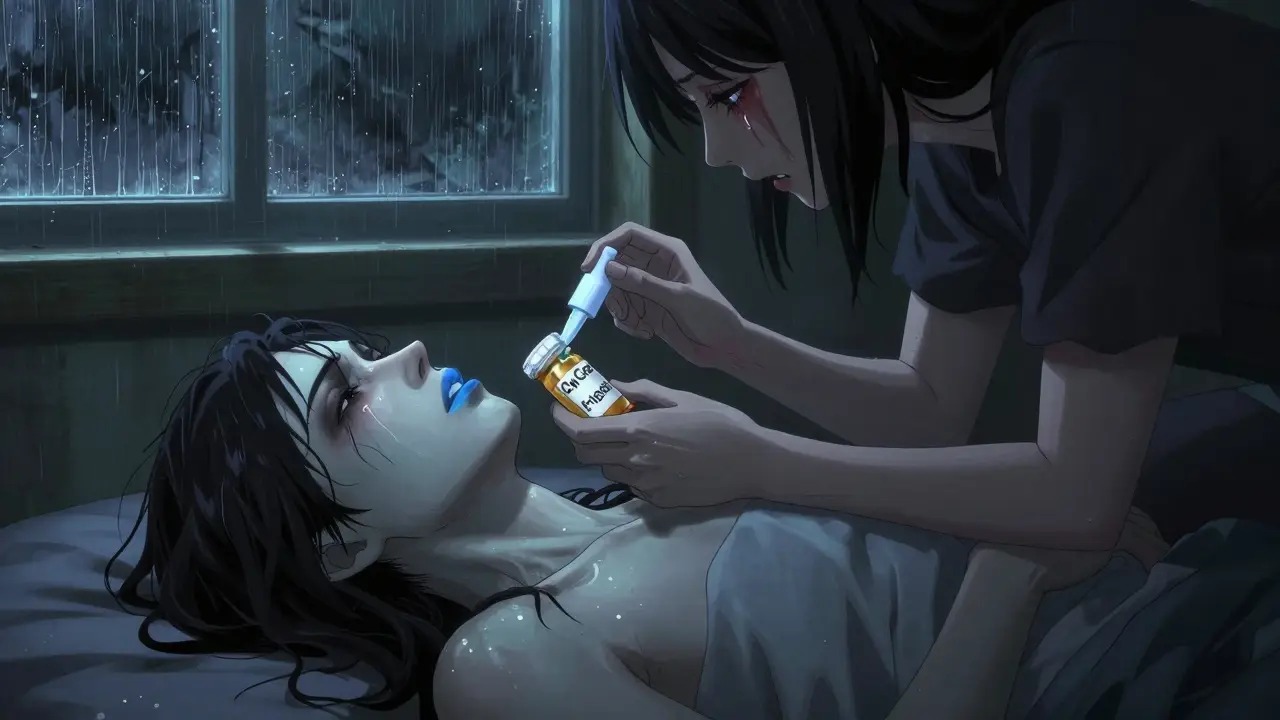
When someone takes too much of a medication - whether it’s a prescription painkiller, an over-the-counter pill, or something bought off the street - their body can’t handle it. The difference between a normal dose and a dangerous one can be as small as one extra tablet. And in many cases, the person doesn’t even realize they’re in trouble until it’s too late. Medication overdose isn’t always intentional. It can happen to anyone: an elderly person mixing pills, a teenager taking a friend’s ADHD medication, or someone who thought they knew their tolerance after a break from using. Recognizing the early signs could mean the difference between life and death.
General Warning Signs Across All Overdoses
No matter what drug is involved, some symptoms show up again and again. If you see even one of these, don’t wait. Call 911 immediately.
- Nausea and vomiting - This happens in nearly 8 out of 10 non-fatal overdoses. But if someone is vomiting while unconscious, that’s a red flag. They could choke.
- Confusion or extreme drowsiness - They might be awake but not responsive. Talking to them doesn’t work. Their eyes might be glassy or rolled back.
- Slow, shallow, or stopped breathing - Breathing less than 12 times a minute is dangerous. If there are 10 seconds or more between breaths, it’s an emergency.
- Cold, clammy skin - Their face and fingers might look pale or gray. This isn’t just feeling chilly - it’s a sign their body is shutting down.
- Blue lips or fingernails - This is called cyanosis. It means their blood isn’t getting enough oxygen. It’s a late but unmistakable sign.
- Unusual noises - Gurgling, snoring, or choking sounds while they’re lying still aren’t normal. These mean their airway is blocked or they’re struggling to breathe.
These signs don’t mean “they just need to sleep it off.” That’s a deadly myth. People have died because someone waited too long.
How Overdose Looks Different by Drug Type
Not all overdoses are the same. The symptoms change depending on what was taken. Knowing the differences helps you respond faster.
Opioid Overdose (Heroin, Fentanyl, Oxycodone, Morphine)
Opioids slow down your breathing. Too much, and your brain forgets to tell your lungs to work. This is the leading cause of overdose deaths in North America. In 2022, synthetic opioids like fentanyl were involved in over 80% of all drug overdose fatalities.
- Pinpoint pupils - Their pupils shrink to tiny dots, even in dim light. This is one of the clearest signs.
- Unresponsive but still breathing - They won’t wake up when you shake them or shout their name.
- Slow, irregular breathing - Less than 12 breaths per minute. Sometimes, they stop for long periods.
- Extreme drowsiness turning to unconsciousness - They go from sleepy to unresponsive in minutes.
These three together - pinpoint pupils, unresponsiveness, and slow breathing - are known as the “opioid triad.” If you see all three, assume it’s an opioid overdose and act immediately.
Stimulant Overdose (Cocaine, Meth, Adderall)
Stimulants overwork your heart and brain. Instead of slowing down, your body goes into overdrive.
- High body temperature - Over 104°F (40°C). Skin feels hot and dry.
- Severe agitation or paranoia - They might panic, scream, or act violently.
- Fast, irregular heartbeat - Pulse over 120 beats per minute. Chest pain is common.
- Seizures - One in three cocaine overdoses leads to seizures.
- High blood pressure - Systolic pressure above 180 mmHg.
Unlike opioid overdoses, stimulant users are often awake and frantic. But their body is breaking down. Cooling them down and getting them to emergency care fast is critical.
Depressant Overdose (Alcohol, Benzodiazepines, Barbiturates)
These drugs calm your nervous system. Too much, and your brain stops sending signals to breathe.
- Slurred speech - Like they’re drunk, but worse.
- Loss of coordination - They can’t walk straight or hold their head up.
- Vomiting while unconscious - This is extremely dangerous. They can inhale vomit and drown.
- Very slow breathing - Less than 8 breaths per minute.
- Low body temperature - Skin feels cold and clammy.
Alcohol poisoning is one of the most common depressant overdoses. Many people think they’re just “passed out.” But if someone can’t be woken up, it’s not sleep - it’s poisoning.
Polysubstance Overdose (Mixing Drugs)
Over half of all overdose deaths in 2022 involved more than one drug. Mixing opioids with alcohol or benzodiazepines? That’s a recipe for disaster. Mixing stimulants with opioids? That’s even more unpredictable.
Symptoms get messy. Someone might have slow breathing from opioids but a racing heart from cocaine. Their pupils might be normal, but they’re blue and unresponsive. This confusion delays treatment - and every minute counts.
What to Do If You Suspect an Overdose
You don’t need to be a doctor to save a life. Here’s what works:
- Call 911 immediately - Don’t wait. Don’t text. Don’t call a friend first. Dial 911.
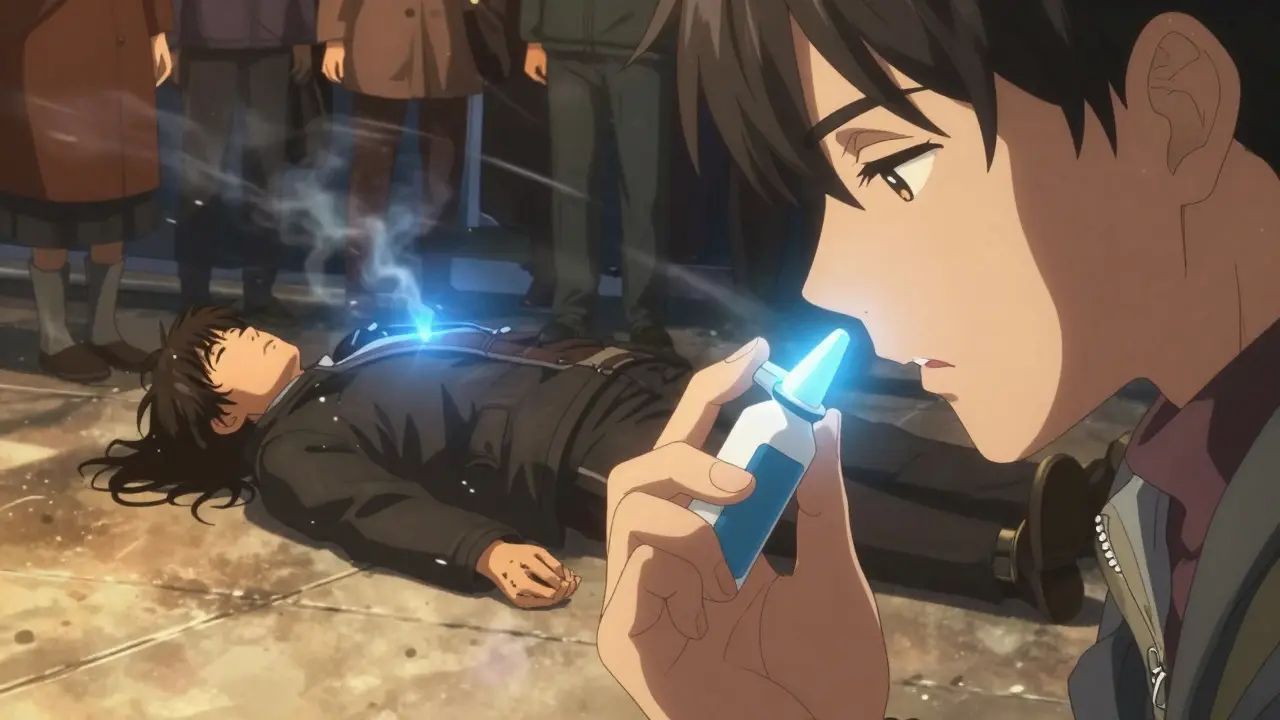
- Give naloxone if you have it - Naloxone (Narcan) reverses opioid overdoses. It’s safe. It won’t hurt someone who didn’t take opioids. Spray one dose into the nose. If they don’t respond in 3 minutes, give a second dose.
- Keep them on their side - This stops them from choking if they vomit. It’s called the recovery position.
- Stay with them - Even if they wake up, they can crash again. Don’t leave them alone.
- Don’t try to “wake them up” with cold water or shaking - This can hurt them more.
- Don’t let them “sleep it off” - That’s how people die.
Many states have laws that protect people who call 911 during an overdose. You won’t get arrested for calling for help. And every second you wait reduces their chance of survival.
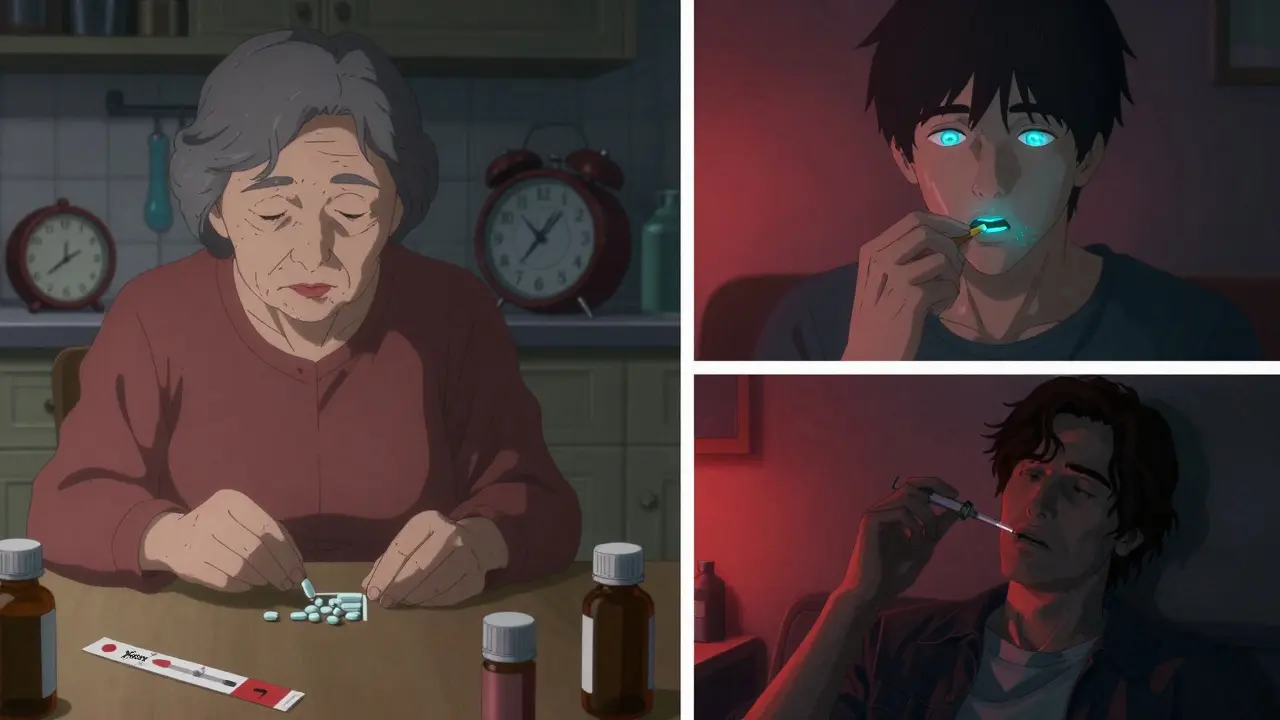
Why Timing Matters
Brain damage from lack of oxygen starts after just 3 minutes. Death can happen in under 10. Naloxone works best if given within 2-3 minutes of overdose. But if you wait 15 minutes? The chance of saving them drops by more than half.
One study found that in places where naloxone was handed out to people who use drugs, overdose deaths dropped by 14%. That’s not luck. That’s action.
Prevention: Tools That Save Lives
You can’t always stop someone from using drugs. But you can reduce the risk.
- Fentanyl test strips - These cost less than $1 and can tell you if your drug has fentanyl. In 2022, 67% of fake pills tested in California had fentanyl. Knowing that changes behavior.
- Naloxone kits - They’re now sold over-the-counter at pharmacies. Keep one at home. Keep one in your car. They’re easy to use. No prescription needed.
- Don’t use alone - If you’re using drugs, have someone with you. If they see you stop breathing, they can call for help.
- Know your tolerance - If you haven’t used in a week or two, your body forgets how to handle the same dose. That’s when overdoses happen.
Counterfeit pills are the biggest hidden threat. A pill that looks like oxycodone? It might be fentanyl. And fentanyl is 50 to 100 times stronger than morphine. One tiny dose can kill.
What Not to Do
There are myths that cost lives:
- Don’t put them in a cold shower. - This can cause shock or hypothermia.
- Don’t give them coffee or food. - It won’t help, and it might make them choke.
- Don’t leave them alone. - Even if they wake up, they can crash again.
- Don’t assume it’s just drunkenness. - Alcohol poisoning looks like being drunk. But it’s not. It’s a medical emergency.
These myths come from old TV shows and bad advice. Real life doesn’t work that way.
Where to Get Help
If you or someone you know is struggling with medication use, help is available - and it’s free.
- Call SAMHSA’s National Helpline: 1-800-662-4357 - 24/7, confidential, and available in English and Spanish. They helped over 785,000 people in 2022.
- Find naloxone near you - Use the “Naloxone Saves” app. It shows locations in all 50 states.
- Ask your pharmacist - Many now keep naloxone on the shelf without a prescription.
You don’t need to fix everything. Just knowing the signs and acting fast can save a life. And sometimes, that’s all it takes.
Can you overdose on over-the-counter medications?
Yes. Even common drugs like acetaminophen (Tylenol) or ibuprofen (Advil) can cause overdose if taken in large amounts. Too much acetaminophen can cause liver failure, and too much ibuprofen can lead to kidney damage or stomach bleeding. Always follow the dosage instructions on the label.
Is naloxone safe to use if I’m not sure it’s an opioid overdose?
Yes. Naloxone only works on opioids. If the person didn’t take opioids, it won’t hurt them. If they did, it could save their life. It’s better to use it and be wrong than to hesitate and lose someone.
How long does naloxone last, and what if the person wakes up?
Naloxone lasts 30 to 90 minutes, but many opioids - especially fentanyl - last longer. Someone can stop breathing again after naloxone wears off. That’s why you must call 911 even after giving naloxone. Medical professionals need to monitor them.
Can you overdose on prescription medication if you take it as directed?
Yes. Sometimes, people build up a tolerance and start taking more than prescribed. Others mix medications without knowing the risks. Even if you’re following your doctor’s instructions, combining drugs like opioids with alcohol or sleep aids can be deadly. Always tell your doctor about everything you’re taking.
Why are fentanyl and carfentanil so dangerous?
Fentanyl is 50 to 100 times stronger than morphine. Carfentanil - used to tranquilize elephants - is 10,000 times stronger. A dose as small as a grain of salt can kill. These drugs are often mixed into other pills or powders without the user’s knowledge. That’s why test strips and naloxone are so important.
What should I do if I find someone unconscious but breathing?
Call 911 immediately. Put them in the recovery position (on their side with one leg bent). Monitor their breathing. If they stop breathing, give naloxone if available. Don’t shake them or try to wake them with water. Stay with them until help arrives.
Are there new treatments being developed for overdoses?
Yes. Researchers are testing monoclonal antibody treatments that could reverse overdoses for up to 24 hours - much longer than naloxone’s 90-minute window. These are still in trials, but they offer hope for future overdose response. For now, naloxone remains the most effective tool.
Next Steps: What You Can Do Today
- Check if you or someone you know has naloxone. If not, get one - no prescription needed.
- Learn how to use it. Watch a 2-minute video on YouTube - it’s simple.
- Keep one in your wallet, glove box, or medicine cabinet.
- Talk to your pharmacist about fentanyl test strips. They’re available at many pharmacies.
- If you’re worried about your own or someone else’s medication use, call 1-800-662-HELP. No judgment. Just help.
Overdose doesn’t always look like a crisis. Sometimes, it looks like someone just passed out. But if you know the signs, you can act - and you can save a life.
Martin Halpin
February 27, 2026 AT 01:41Look, I get that this is supposed to be helpful, but let’s be real - most of these 'warning signs' are just what happens when someone gets drunk or has a bad migraine. I’ve seen people pass out after two beers and everyone freaks out like it’s a fentanyl overdose. We’ve turned every minor incident into a crisis. And don’t get me started on naloxone being handed out like candy. You hand it to someone who’s never even used opioids, and now they think they’re a lifesaver. It’s not empowerment - it’s delusion. People need to take responsibility, not carry a nasal spray like a magic charm.
Eimear Gilroy
February 28, 2026 AT 01:19This is actually really well-structured. I work in ER triage, and I can tell you - the biggest problem isn’t people not knowing the signs, it’s that they don’t *believe* them until it’s too late. My sister took two extra Tylenol after a headache and ended up in liver failure. She thought 'it’s just acetaminophen, how bad could it be?' The myth that OTC = safe is deadly. I’m glad this post includes that. Also, the part about polysubstance overdoses? Spot on. We see way more mixtures than pure overdoses now. Someone needs to make a viral TikTok on this.
Lillian Knezek
March 1, 2026 AT 06:50They’re lying. 😈 Naloxone is a government tool to control the poor. The real reason they push it is so they can track who uses it - then tag you as a 'high-risk individual' and cut your benefits. And fentanyl test strips? They’re planted by Big Pharma to make you think you’re safe while they spike your meds with more synthetic stuff. You think your pills are oxycodone? Nah. They’re laced with carfentanil AND a microchip. 🧠📡 They want you to rely on tech, not your own instincts. Stay vigilant.
Maranda Najar
March 2, 2026 AT 12:22Oh. My. GOD. I just finished reading this and I’m sobbing into my organic, fair-trade chamomile tea. 💔 This is the most important public health document I’ve ever read. I mean, have you ever *felt* the weight of a life slipping away because someone thought, 'They’ll sleep it off'? I’ve been there. I lost my cousin. She was 22. She took one pill. One. Single. Pill. And now her favorite hoodie sits in my closet like a ghost. 🕯️ This isn’t just information - it’s a lifeline. A sacred, trembling, beautiful lifeline. If you’re reading this and you don’t have naloxone in your purse right now - go. Get it. Now. I’ll wait. I’m crying again.
Christopher Brown
March 3, 2026 AT 11:22USA leads in overdose deaths because we’re soft. Europe doesn’t hand out Narcan like free samples. They let people face consequences. This post reads like a liberal PSA. Stop coddling. Enforce laws. Lock up dealers. Teach discipline. Not more kits. More accountability.
Sanjaykumar Rabari
March 4, 2026 AT 02:46Big Pharma is behind this. They make the pills then sell the antidote. Same company. They want you addicted so you keep buying. Naloxone is not safe. It causes heart attacks. They test it on poor people first. The government knows this. They don’t care. I saw a video online - 3 people died after Narcan. They said 'side effects.' I think it was murder.
Kenzie Goode
March 5, 2026 AT 03:56I just wanted to say thank you for writing this. I’ve been afraid to talk about my brother’s addiction because I didn’t want to be judged. But reading this made me feel seen. I didn’t know about fentanyl test strips - I’m getting some this week. And I’m telling my whole family. No more silence. No more shame. We’ve got this.
Dominic Punch
March 6, 2026 AT 22:03As someone who’s trained over 200 community volunteers in overdose response, I can confirm: this is the single most accurate, practical guide I’ve seen. The breakdown by drug class? Gold. The recovery position detail? Crucial. The part about not shaking them? So many people still do that. And the stats on naloxone reducing deaths by 14%? That’s not a number - that’s 140 lives in a single city. I’ve handed out 800 kits. Every single one matters. If you’re reading this and thinking 'it won’t happen to me' - you’re wrong. It happens to someone’s sibling, their coworker, their neighbor. Keep one. Know how to use it. That’s all it takes to be a hero.
Haley Gumm
March 7, 2026 AT 08:14Okay, I’m going to be brutally honest here - I love how thorough this is, but it’s also kind of… overwhelming? Like, if you’re not a medical professional, how do you even remember all this? Maybe we need a simple checklist: 1. Are they breathing? 2. Are they blue? 3. Can you wake them? If yes to any of the last two - call 911. Done. We don’t need a textbook. We need a sticky note on the fridge.
Gabrielle Conroy
March 9, 2026 AT 07:03YES! To the sticky note idea!! 🙌 I printed this out and laminated it - stuck it on my fridge next to my grocery list. I also put a little QR code that links to a 90-second Narcan demo video. My roommate asked me why I have a 'life-saving cheat sheet' and I told her: 'Because I love you.' 😊 I’ve got two Narcan kits in my car, one in my purse, and one in my gym bag. You never know. And if you’re scared to ask for help? Just call 1-800-662-HELP. They don’t judge. They just help. And you? You’re already doing the right thing by reading this. 💪❤️