

Daptomycin CK Threshold Calculator
CK Monitoring Calculator
Calculate if daptomycin treatment should be continued based on CK levels and symptoms.
Key Thresholds
Symptomatic patients: Stop if CK ≥ 1,000 U/L or ≥ 5× ULN
Asymptomatic patients: Stop if CK ≥ 10× ULN
(Based on University of Nebraska Medical Center 2023 guidelines)
Enter values above to see results
What is Daptomycin and When Is It Used?
Daptomycin is a cyclic lipopeptide antibiotic approved by the FDA in 2003 for serious Gram-positive bacterial infections. It treats complicated skin infections, bloodstream infections, and infective endocarditis. This antibiotic is especially valuable for MRSA infections where other drugs fail. Standard dosing is 4 mg/kg daily for skin infections and 6 mg/kg for bloodstream infections. Higher off-label doses (8-12 mg/kg) are used for bone and joint infections based on recent studies. Despite its effectiveness, daptomycin carries a risk of muscle toxicity that requires careful monitoring.
Recognizing Muscle Toxicity Symptoms
Common symptoms of daptomycin-induced muscle damage include muscle pain, weakness, tenderness, and swelling. These typically appear weeks into treatment and may start as mild discomfort. Some patients report fatigue or trouble moving. While symptoms often resolve after stopping the drug, ignoring them can lead to severe complications like rhabdomyolysis. Always report muscle-related issues to your healthcare provider immediately. Early detection is critical to prevent permanent muscle damage.
CK Monitoring Protocols Explained
Proper CK monitoring is crucial for safe daptomycin therapy. Most guidelines recommend checking creatine kinase (CK) levels weekly during treatment. For symptomatic patients, discontinuation is advised if CK exceeds 1,000 U/L or 5 times the upper limit of normal (ULN). Asymptomatic patients should stop if CK exceeds 10 times ULN. These thresholds come from the University of Nebraska Medical Center’s 2023 antimicrobial guidelines. Regular testing catches toxicity early before it becomes severe. Remember, CK levels can rise without symptoms, so consistent monitoring is key.

Key Risk Factors That Increase Toxicity
Several factors raise your risk of daptomycin muscle toxicity. Patients with hypoxia (low oxygen levels) face significantly higher risk, as shown in Yamada’s 2020 study. This includes people with severe sepsis, heart disease, or poor circulation. Higher doses (above 6 mg/kg) for bone infections also increase risk. Older adults and those with kidney problems are more vulnerable. A history of muscle injuries or nerve damage adds to the danger. Always tell your doctor about these conditions before starting treatment.
Managing Toxicity: When to Stop and What to Do
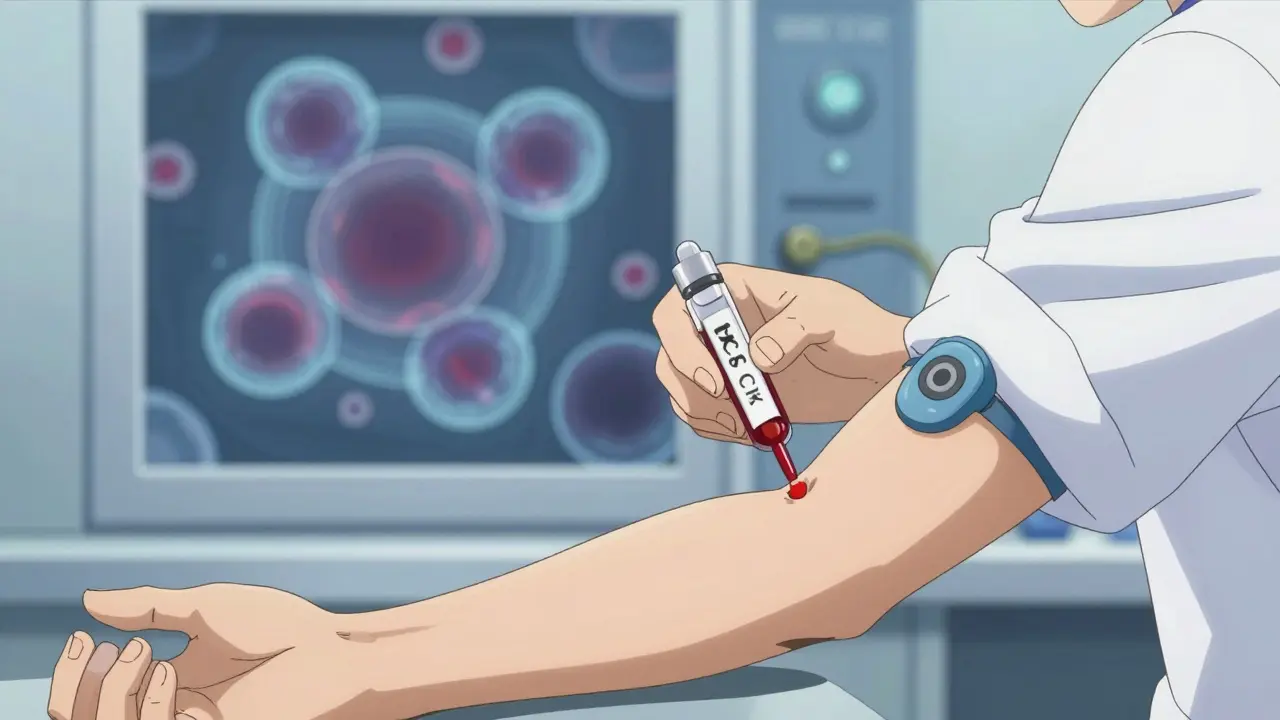
If you develop muscle pain or weakness during daptomycin treatment, contact your healthcare provider immediately. They’ll likely order a CK test. If results show CK over 1,000 U/L with symptoms or over 10x ULN without symptoms, they’ll stop daptomycin right away. Most muscle damage is reversible once the drug is discontinued. Avoid strenuous exercise during recovery. Your provider may switch you to another antibiotic like vancomycin or linezolid. Follow-up CK tests ensure levels return to normal. Never adjust your dose or stop the medication without medical advice.
Interactions with Other Medications
Many patients worry about statin interactions with daptomycin. A 2014 study by Bland et al. analyzed 220 patients and found no statistically significant increase in muscle toxicity risk when combining daptomycin with statins. However, some providers still recommend temporarily stopping statins as a precaution. Other drugs like ACE inhibitors or diuretics might also affect muscle health. Always share your full medication list with your doctor. They’ll assess potential interactions before starting daptomycin. Never stop prescribed medications without consulting your healthcare team.
Practical Tips for Patients and Providers
For patients: Report muscle symptoms early-even if mild. Keep a log of pain levels and when they occur. Attend all scheduled CK tests. Stay hydrated and avoid intense physical activity during treatment. For providers: Check CK weekly for all patients on daptomycin. Use therapeutic drug monitoring for high-dose regimens. Consider hypoxia status when assessing risk. Document all symptoms and lab results clearly. Communicate openly with patients about potential side effects. These steps ensure safer use of this critical antibiotic.
How Daptomycin Compares to Vancomycin
While both treat MRSA, daptomycin and vancomycin differ in monitoring needs. Vancomycin requires frequent blood tests for drug levels (peak/trough monitoring), costing about $80 per test. Daptomycin only needs weekly CK checks at $7.52 per test. However, daptomycin is more expensive-$1,191 for 14 days versus $121 for vancomycin. Daptomycin has lower kidney toxicity risk but higher muscle toxicity risk. Vancomycin can cause "red man syndrome" but rarely causes muscle damage. The choice depends on your specific infection, kidney function, and risk factors. Your provider will weigh these factors for the safest option.
What are the common symptoms of daptomycin-induced muscle toxicity?
Common symptoms include muscle pain, weakness, tenderness, and swelling. These often start weeks into treatment and may feel like cramps or soreness. Some patients report fatigue or trouble moving. Symptoms typically improve after stopping daptomycin but can lead to serious complications if ignored. Always report muscle issues to your healthcare provider immediately.
How often should CK levels be checked during daptomycin treatment?
Most guidelines recommend checking CK levels weekly throughout treatment. This applies to all patients, regardless of symptoms. For those on higher doses (8-12 mg/kg) or with risk factors like heart disease, testing may be more frequent. Consistent monitoring catches toxicity early before it becomes severe. Never skip scheduled CK tests without consulting your provider.
What CK level indicates a need to stop daptomycin?
For symptomatic patients (muscle pain or weakness), stop daptomycin if CK exceeds 1,000 U/L or 5 times the upper limit of normal (ULN). Asymptomatic patients should stop if CK exceeds 10 times ULN. These thresholds come from the University of Nebraska Medical Center’s 2023 guidelines. Always follow your provider’s specific instructions, as individual cases may vary.
Can taking statins increase the risk of muscle toxicity with daptomycin?
A 2014 study of 220 patients found no statistically significant increase in muscle toxicity risk when combining daptomycin with statins. However, some healthcare providers still recommend temporarily stopping statins as a precaution. Always share your full medication list with your doctor before starting daptomycin. Never stop prescribed statins without medical advice, as this could affect your heart health.
What should I do if I experience muscle pain while on daptomycin?
Contact your healthcare provider immediately. They’ll likely order a CK test and assess your symptoms. Avoid strenuous exercise or heavy lifting. Do not take over-the-counter pain relievers like ibuprofen without consulting your doctor, as they may worsen kidney issues. If CK levels are high, your provider will stop daptomycin and switch to a safer antibiotic. Most muscle damage is reversible with prompt action.
Are there specific patient groups at higher risk for muscle toxicity?
Yes. Patients with hypoxia (low oxygen levels) from heart disease, severe sepsis, or poor circulation face much higher risk, as shown in Yamada’s 2020 research. Older adults, those with kidney problems, and people on higher daptomycin doses (above 6 mg/kg) for bone infections are also more vulnerable. A history of muscle injuries or nerve damage adds to the risk. Always discuss these factors with your provider before starting treatment.
How does hypoxia affect daptomycin’s muscle toxicity risk?
Hypoxia (low oxygen) significantly amplifies daptomycin’s muscle toxicity. Yamada’s 2020 in vitro study showed that under hypoxic conditions, daptomycin causes much more severe damage to skeletal muscle cells. This explains why patients with heart failure, sepsis, or chronic lung diseases often experience worse muscle toxicity. If you have any condition affecting oxygen levels, your provider will monitor you more closely and may adjust your dose or choose an alternative antibiotic.
Is muscle toxicity from daptomycin reversible?
Yes, muscle toxicity from daptomycin is typically fully reversible when caught early and treated promptly. Symptoms usually improve within days to weeks after stopping the drug. CK levels return to normal with proper rest and follow-up care. However, ignoring symptoms can lead to permanent muscle damage or rhabdomyolysis, a serious condition that may require hospitalization. Early detection and action are crucial for full recovery.
How does daptomycin compare to vancomycin in terms of side effects?
Daptomycin has higher muscle toxicity risk but lower kidney toxicity risk compared to vancomycin. Vancomycin requires frequent blood tests for drug levels (costing about $80 per test) and can cause "red man syndrome" (flushing and itching). Daptomycin only needs weekly CK checks ($7.52 per test) but carries a 5-10% real-world risk of muscle issues versus vancomycin’s 2-5% kidney toxicity risk. Cost-wise, daptomycin is more expensive ($1,191 for 14 days) than vancomycin ($121). The best choice depends on your infection type, kidney function, and overall health risks.
jan civil
February 7, 2026 AT 02:29Weekly CK checks are non-negotiable for daptomycin safety. Period.
Kieran Griffiths
February 8, 2026 AT 13:31Hey everyone, this is such a crucial topic. I've worked with patients on daptomycin for years and the key is staying vigilant about muscle symptoms. Even mild aches shouldn't be ignored-trust me, I've seen too many cases where patients brushed off early warning signs. CK monitoring every week is absolutely essential; it catches issues before they escalate into something life-threatening. I've personally witnessed cases where patients ignored initial muscle pain and ended up in the hospital with rhabdomyolysis, which is scary stuff. But here's the good news: with proper monitoring, most complications are avoidable. Always communicate openly with your healthcare team-they're there to help, not judge. If you're a provider, don't skip those CK tests; it's worth the effort to catch problems early. Also, remember that hypoxia significantly increases risk, so patients with heart conditions or sepsis need extra attention. And don't forget about statin interactions-while studies show no major risk, better safe than sorry. Some providers still recommend stopping statins temporarily, but the evidence is mixed. Always check with your doctor before making changes. Lastly, vancomycin has its own complications like red man syndrome and kidney toxicity, so choosing the right antibiotic depends on the individual case. It's all about weighing the risks and benefits. Stay informed, stay proactive, and keep those CK levels in check!
Pamela Power
February 10, 2026 AT 08:46Oh please, this post is so basic and dangerously misleading. Everyone knows daptomycin's muscle risks are a sham perpetuated by Big Pharma to sell more expensive drugs. CK monitoring? That's just a ploy to make hospitals charge more for unnecessary tests. Wake up, sheeple! The real issue is systemic corruption in healthcare-doctors and pharma companies colluding to hide the truth. This is why people are dying unnecessarily. Daptomycin's toxicity is well-documented in independent studies, but they suppress the data. Read the studies, they're all fake. I've seen the truth and it's ugly. The FDA is in bed with pharmaceutical giants. They approved this drug despite clear evidence of harm. Remember the Vioxx scandal? Same套路. It's all about profits, not patients. Stop trusting the system. Your life depends on it. Demand transparency now!
Elliot Alejo
February 11, 2026 AT 23:06Thanks for sharing your experience, Kieran. I've noticed that patients often overlook mild symptoms, but as you said, early detection is key. I always stress the importance of regular CK checks in my practice-it's one of the most critical parts of monitoring. It's not just about the numbers-it's about listening to the patient. If they report pain, we test regardless of the CK threshold. Also, hypoxia is a big factor; patients with heart issues or sepsis need extra caution. I've seen cases where CK levels were normal but symptoms were present, so clinical judgment matters. For statins, while studies show no major risk, I still recommend checking with the patient's cardiologist before proceeding. Some patients might have underlying conditions that increase risk. It's all about balancing the benefits and risks. Additionally, vancomycin has its own complications like red man syndrome and kidney toxicity, so choosing the right antibiotic depends on the individual case. Always consult with specialists when in doubt. Education is crucial-patients need to know the signs to watch for. Thank you for bringing this up-it's a great discussion that helps everyone stay informed.
Bella Cullen
February 13, 2026 AT 09:45Yeah, but what about the studies showing daptomycin is safe? You're just being paranoid. Maybe check your sources. I don't think it's that bad. The FDA approved it, so it must be okay. People are just overreacting. The real issue is that some folks don't understand medical data. CK monitoring works. Daptomycin's risks are manageable. Stop spreading fear. It's not a conspiracy.
lance black
February 13, 2026 AT 18:03Yes! Keep pushing for patient safety. Every test matters. Stay vigilant. You're doing great work. Let's keep this conversation going. Together we can make a difference. Stay positive!
Johanna Pan
February 15, 2026 AT 09:40Hey everyone, this is such a imporant topic. I'm so glad we're talking about daptomycin and muscle toxicity. It's crucial to stay informed-knowledge is power! I've seen patients recover fully when caught early, which is amazing. Let's all be pro-active in monitoring symptoms. CK checks are easy and save lives; they're a small price to pay for safety. Don't be scared, just stay aware of your body. I'm here to help if anyone has questions-no judgment. Let's support each other through this. Remember, teamwork makes the dream work. Stay positive and keep those CK levels checked. Together we can beat this. Also, hypoxia is a big risk factor, so patients with heart issues need extra care. Always consult your doctor before making changes. Let's keep spreading awareness!
Sam Salameh
February 16, 2026 AT 11:21Yeah, but America has the best healthcare system in the world. We don't have these issues like other countries. Daptomycin is safe here. Stop worrying! The FDA has the strictest regulations-no one compares. Other countries are messing up with their healthcare systems. We're doing great, and our doctors know what they're doing. Trust the system. It's not a conspiracy. Keep it positive, folks! This is why America leads in medical innovation. We should be proud. Let's support our healthcare workers. They're doing amazing work. Stay safe!
Tehya Wilson
February 16, 2026 AT 11:51CK monitoring is necessary but often ignored by healthcare providers. Doctors are negligent. Patients suffer silently. This is why healthcare fails. No one cares about the real issues. It's all about money. End of story. The system is broken. No hope. Nothing will change. We're doomed. Daptomycin's risks are hidden. The FDA is corrupt. Patients are pawns. No one listens. It's all a sham.
Jenna Elliott
February 17, 2026 AT 14:34Stop complaining. America is great. Healthcare is better here. Daptomycin is safe. Stop being negative. Trust the system. It's not broken. We have the best doctors. Other countries are failing. You're just being paranoid. This is why America leads. Stay positive. End of discussion. The FDA approves safe drugs. No conspiracy. Trust the experts. They know best. America is number one.
Carol Woulfe
February 17, 2026 AT 19:38Have you considered the possibility that daptomycin's muscle toxicity is part of a larger scheme orchestrated by Big Pharma and the government? Big Pharma is hiding the truth about how dangerous this drug really is. The FDA is complicit in this cover-up. They're pushing this drug to bankrupt small hospitals and force patients into expensive treatments. CK monitoring is a sham-it's designed to keep patients dependent on tests and create endless revenue streams. The real issue is systemic corruption that's been going on for decades. Wake up! This is a deliberate attack on public health. The evidence is everywhere if you know where to look. Follow the money trail-it leads straight to the pharmaceutical lobby. It's all connected. They're using fear to sell more drugs. This is a calculated move to control healthcare. Don't be fooled. The truth is out there.
Brendan Ferguson
February 18, 2026 AT 00:56Carol, I understand your concerns, but let's look at the evidence. The FDA has strict guidelines, and daptomycin is used safely when monitored properly. CK levels are a reliable indicator of toxicity. It's not a conspiracy-it's about patient safety and proper medical practice. Let's work together to ensure proper use of this antibiotic. We can address concerns without jumping to conclusions. The studies show that with proper monitoring, risks are minimal. It's important to stay informed but also to trust the science. Let's focus on solutions, not fear. Thank you for raising this issue-it's crucial we discuss it openly. Let's keep the conversation constructive. Hypoxia and other risk factors must be considered, but the data supports safe use. Always consult your healthcare provider for personalized advice. We're all on the same side: patient health.