

What Is Alpha-1 Antitrypsin Deficiency?
Alpha-1 Antitrypsin Deficiency is a hereditary condition caused by mutations in the SERPINA1 gene that leads to low levels of the alpha-1 antitrypsin (AAT) protein, a key protector of lung tissue. This protein, made in the liver, normally travels through the blood to shield the lungs from damage caused by neutrophil elastase - an enzyme released by white blood cells during inflammation. Without enough AAT, this enzyme breaks down healthy lung tissue, leading to emphysema - often decades earlier than in typical COPD cases.
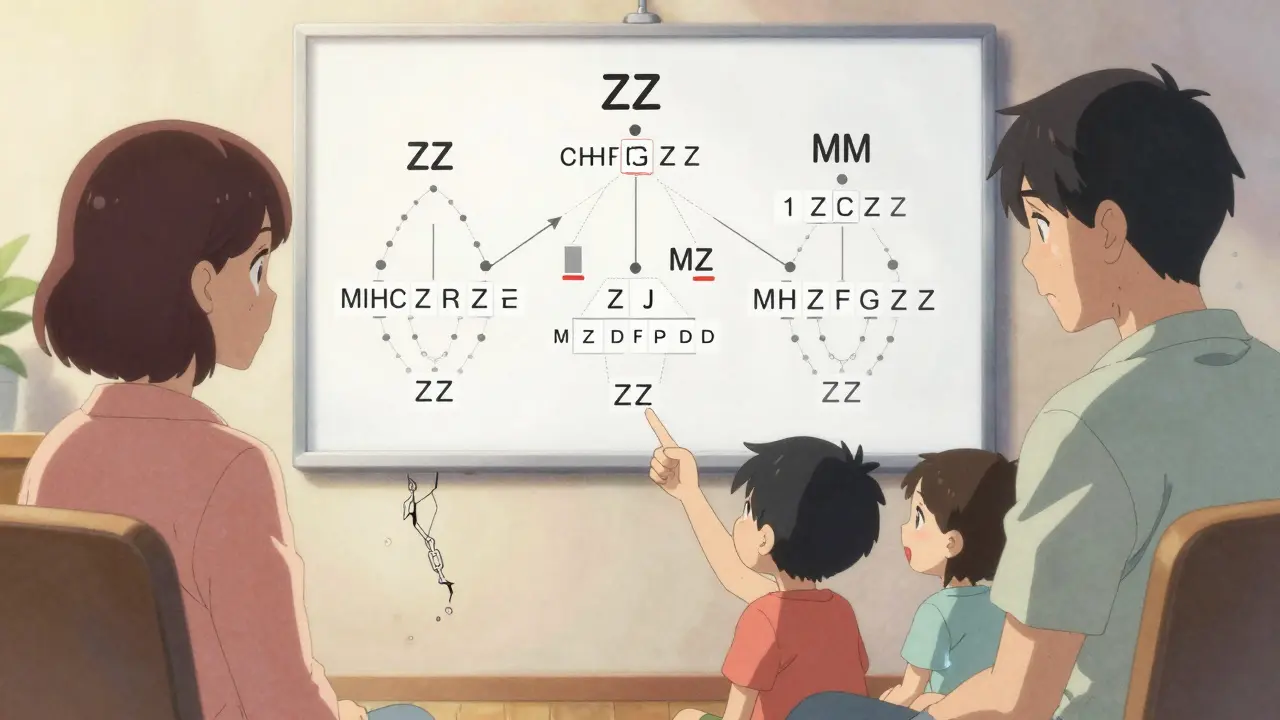
Most people with AATD inherit two faulty copies of the gene - one from each parent - resulting in the ZZ genotype. This is the most severe form. People with this genotype have serum AAT levels as low as 11-17 mg/dL, just 15-20% of normal. Even one faulty copy - like the MZ genotype - can increase lung risk, especially if the person smokes or is exposed to pollution.
Why It’s Often Missed - The Diagnostic Delay
It takes an average of 8 years for someone with AATD to get a correct diagnosis. Why? Because the symptoms - coughing, wheezing, shortness of breath - look exactly like asthma or smoking-related COPD. Many patients are treated for years as having asthma before anyone considers a genetic cause.
Doctors often don’t test for it unless they’re specifically looking. But guidelines from the American Thoracic Society and European Respiratory Society say: test everyone diagnosed with COPD, unexplained liver disease, or asthma with fixed airflow obstruction. Yet, only about 10% of the estimated 100,000 Americans with severe AATD have been diagnosed. That means over 90,000 people are living with a treatable condition they don’t even know they have.
One patient from Toronto shared on a support forum: "I was told I had chronic bronchitis for 12 years. I quit smoking at 40, but my breathing kept getting worse. At 48, a pulmonologist finally ordered an AAT test. That’s when everything clicked. It wasn’t just smoking - it was my genes."
How AATD Damages the Lungs - And the Liver
The problem isn’t just low AAT in the blood. The faulty protein - especially the Z variant - also gets stuck in liver cells. Instead of flowing out into the bloodstream, it clumps together like tangled yarn. This buildup triggers inflammation, scarring, and eventually cirrhosis or even liver cancer. About 10-15% of adults with ZZ genotype develop liver disease, and up to 75% will show signs of lung damage by age 50 - especially if they smoke.
Smoking is the biggest accelerator. A person with ZZ genotype who smokes has a 90% chance of developing emphysema before age 60. But if they quit at diagnosis, studies show they cut their risk of severe lung damage by up to 60%. That’s not just a recommendation - it’s a life-saving step.
Another key difference from regular COPD? The pattern of lung damage. In smokers, emphysema tends to show up at the top of the lungs. In AATD, it’s usually at the bottom - the basilar regions. A chest CT scan can hint at this, but only a blood test confirms it.

Testing for AATD - What the Process Looks Like
Getting tested is straightforward. First, a simple blood test measures AAT levels. If they’re below 11 μM (about 50 mg/dL), the next step is genotyping - a lab test that checks which version of the SERPINA1 gene you have. Results usually take 2-6 weeks.
There are over 120 known gene variants, but only a few matter clinically:
- MM - Normal. No risk.
- MZ - Carrier. Mildly reduced AAT. Higher risk if you smoke or have other lung exposures.
- ZZ - Severe deficiency. High risk for lung and liver disease.
- SZ - Moderate deficiency. Risk increases with smoking or pollution.
Family members should be tested too. Since it’s inherited, siblings and children of someone with ZZ have a 25-50% chance of carrying at least one faulty gene. Genetic counseling is strongly recommended before testing relatives.
Treatment: Augmentation Therapy and Beyond
The only treatment that directly replaces the missing protein is augmentation therapy. This involves weekly IV infusions of purified human AAT from donated plasma. Products like Prolastin-C, Zemaira, and Aralast NP are FDA-approved. The goal? Keep serum levels above 11 μM - the minimum level shown in lab studies to protect lung tissue.
Patients typically get 60 mg per kilogram of body weight every week. For a 70 kg person, that’s about 4,200 mg per infusion. Each session takes 2-3 hours. Many patients report fatigue, headaches, or vein access issues after months of treatment.
But there’s good news: in 2022, the FDA approved the first subcutaneous AAT therapy - Kedrab. Instead of IV infusions, patients can now self-administer a weekly shot under the skin. Early data shows it maintains protective AAT levels with fewer side effects and less time commitment.
Augmentation therapy doesn’t fix liver damage or reverse existing lung destruction. But for people with FEV1 between 30-65% predicted, it slows the rate of lung function decline by about 40% over 5 years, according to long-term studies.
What Doesn’t Work - And What’s Coming Next
Standard COPD treatments - inhalers, steroids, pulmonary rehab - help manage symptoms, but they don’t address the root cause. That’s why AATD is different: it’s one of the few genetic lung diseases with a targeted biological therapy.
But the cost is steep. Augmentation therapy runs $70,000-$100,000 per year. Insurance denials are common - about 42% of initial claims get rejected. Appeals with supporting lab data and lung function reports often succeed, but it’s a battle.
Looking ahead, researchers are testing new approaches:
- Small molecule correctors - drugs that help the faulty AAT protein fold properly so it doesn’t get stuck in the liver.
- RNA interference therapy - silences the faulty gene in liver cells to stop toxic protein buildup.
- Gene therapy - delivering a healthy copy of the SERPINA1 gene directly into liver cells.
Phase II trials are underway. If successful, these could one day treat both lung and liver damage - not just slow the lungs’ decline.
Living With AATD - Practical Steps
Here’s what actually helps day-to-day:
- Quit smoking - immediately. No exceptions. Even secondhand smoke increases risk.
- Avoid air pollution. Use HEPA filters at home. Avoid wood stoves, fireplaces, and heavy traffic areas.
- Get vaccinated. Annual flu shot, pneumococcal vaccine, and COVID boosters are critical.
- Exercise regularly. Pulmonary rehab improves endurance and reduces hospital visits.
- Monitor liver health. Get liver enzymes checked yearly. Avoid alcohol and unnecessary medications like acetaminophen in high doses.
- Connect with others. The Alpha-1 Foundation offers support groups and webinars. Talking to someone who gets it makes a difference.
One patient in Winnipeg said: "I used to think I was just getting older. Now I know I have a genetic condition. But knowing that lets me take control. I’m not waiting for the next crisis. I’m managing it."
Why This Matters - Beyond the Individual
AATD isn’t rare. It affects 1 in 2,000 to 1 in 5,000 people worldwide. In North America, over 25 million carry at least one abnormal gene. Most don’t know it. That means thousands of parents are unknowingly passing this condition to their kids.
Twelve U.S. states now screen newborns for AATD as part of routine metabolic panels. Canada hasn’t adopted this yet. But experts argue it’s cost-effective: early diagnosis means early smoking cessation, fewer hospitalizations, and fewer liver transplants. One study estimated that screening newborns could save $30,000 per person over their lifetime by preventing advanced disease.
It’s not just about treating COPD. It’s about recognizing that some cases aren’t caused by lifestyle - they’re caused by biology. And biology can be understood. And understood conditions can be managed.
Is alpha-1 antitrypsin deficiency the same as COPD?
No. Alpha-1 antitrypsin deficiency (AATD) is a genetic condition that can cause COPD - specifically early-onset emphysema. Most COPD is caused by smoking or long-term air pollution. AATD is a specific genetic cause, found in about 3% of all COPD cases. It’s not the same disease, but it’s one of the few types of COPD with a known genetic marker and targeted treatment.
Can you outgrow alpha-1 antitrypsin deficiency?
No. AATD is a lifelong genetic condition. You’re born with it, and you’ll have it for life. But the symptoms can be managed. Early diagnosis, avoiding smoking, and starting augmentation therapy when appropriate can significantly slow lung damage and improve quality of life. You can’t change your genes, but you can change how you live with them.
Is augmentation therapy effective for liver damage in AATD?
No. Augmentation therapy replaces AAT in the bloodstream to protect the lungs, but it doesn’t reduce the toxic buildup of misfolded protein in the liver. Liver damage in AATD comes from the protein getting stuck inside liver cells - not from low levels in the blood. There’s currently no approved treatment to reverse or stop liver disease caused by AATD, though clinical trials for new drugs are underway.
Should I get tested if my parent has AATD?
Yes. AATD is inherited in an autosomal codominant pattern. If one parent has ZZ, you have a 100% chance of inheriting at least one faulty gene. If both parents carry a faulty gene, you could have ZZ or SZ - both high-risk genotypes. Testing helps you take preventive steps: quitting smoking, avoiding pollution, getting vaccinated, and monitoring lung and liver health. Genetic counseling is recommended before testing family members.
Can I still work if I have AATD?
Yes, many people with AATD continue working full-time, especially after diagnosis and with proper management. The key is avoiding lung irritants - dust, fumes, smoke - and staying active. Some people adjust their jobs to reduce exposure. Others use oxygen or nebulizers during the day. The goal isn’t to stop working - it’s to protect your lungs so you can keep working longer. Pulmonary rehab and regular checkups make a big difference.
Next Steps if You Suspect AATD
If you or a family member has COPD diagnosed before age 45, unexplained liver disease, or a family history of emphysema or cirrhosis, ask your doctor for an AAT blood test. Don’t wait for symptoms to worsen. The sooner you know, the sooner you can act.
Start by:
- Requesting a serum AAT level test.
- Getting genotyping if levels are low.
- Consulting a pulmonologist or genetic counselor.
- Stopping smoking - if you haven’t already.
- Connecting with the Alpha-1 Foundation for support and resources.
Knowing you have AATD isn’t a death sentence. It’s a roadmap. And with the right steps, you can live a full, active life - even with a genetic condition.
Erik J
December 17, 2025 AT 06:54I never realized how underdiagnosed this is. I had a cousin diagnosed at 42 after years of being told it was 'just asthma.' The fact that 90% of cases are missed is terrifying. I'm getting my parents tested next week.
Also, the basilar emphysema pattern is such a key clue. Why isn't this taught more in med school?
Martin Spedding
December 19, 2025 AT 01:07Lmao another 'genetic condition' post. So now smoking is *not* the cause? LMAO. My grandad smoked till 80 and never had COPD. Coincidence? Nah. This is just woke medicine.
amanda s
December 19, 2025 AT 05:41This is why we need to stop letting foreigners come here and spread their bad genes. I read somewhere that AATD is way more common in Europeans. We're paying for their mistakes with our healthcare system. Someone needs to test everyone at the border.
Also, why is this even allowed? Shouldn't people with bad genes be stopped from having kids?
Brooks Beveridge
December 19, 2025 AT 14:46Hey everyone - I just want to say how proud I am of the people in this thread who are taking action. Testing your family? Quitting smoking? Getting that CT scan? That’s courage.
And to those feeling overwhelmed - you’re not alone. I’ve been on augmentation therapy for 5 years. Some weeks are rough, but I’m still hiking, still playing with my grandkids. It’s not perfect, but it’s progress.
And hey - if you’re new to this, the Alpha-1 Foundation has a free mentor program. Just say the word. I’ll hook you up. 💪❤️
Anu radha
December 20, 2025 AT 07:41My uncle had this. He stopped smoking, did breathing exercises, and now he is okay. I am happy for him. Thank you for sharing this.
Salome Perez
December 21, 2025 AT 11:33I want to extend a heartfelt thank you to the medical researchers, patient advocates, and clinicians who’ve tirelessly pushed for awareness of AATD. This condition is a textbook example of how precision medicine can transform outcomes - not by chasing miracles, but by applying existing science with compassion and rigor.
For those navigating insurance denials: document everything. Save every spirometry report, every letter from your pulmonologist, every receipt for infusion supplies. The data speaks louder than bureaucracy. And if you’re feeling isolated - join the Alpha-1 Foundation’s virtual coffee hour. You’ll meet people who speak your language, literally and emotionally.
Knowledge isn’t just power here - it’s a lifeline. And you’re holding it.
Pawan Chaudhary
December 23, 2025 AT 01:20This is so encouraging! I was scared after my test came back MZ, but now I know I can still live a full life. I started walking 30 mins a day and using an air purifier. Small steps, right? Keep going, everyone!
BETH VON KAUFFMANN
December 24, 2025 AT 18:07The augmentation therapy cost data is misleading. You’re citing 2020 figures - prices have dropped 18% since the subcutaneous option launched. Also, '42% denial rate' ignores that 78% of appeals succeed with proper documentation. This post reads like a fundraising brochure for pharma.
And please stop implying that COPD and AATD are mutually exclusive. The overlap in phenotypes is well-documented - conflating them dilutes clinical nuance.