
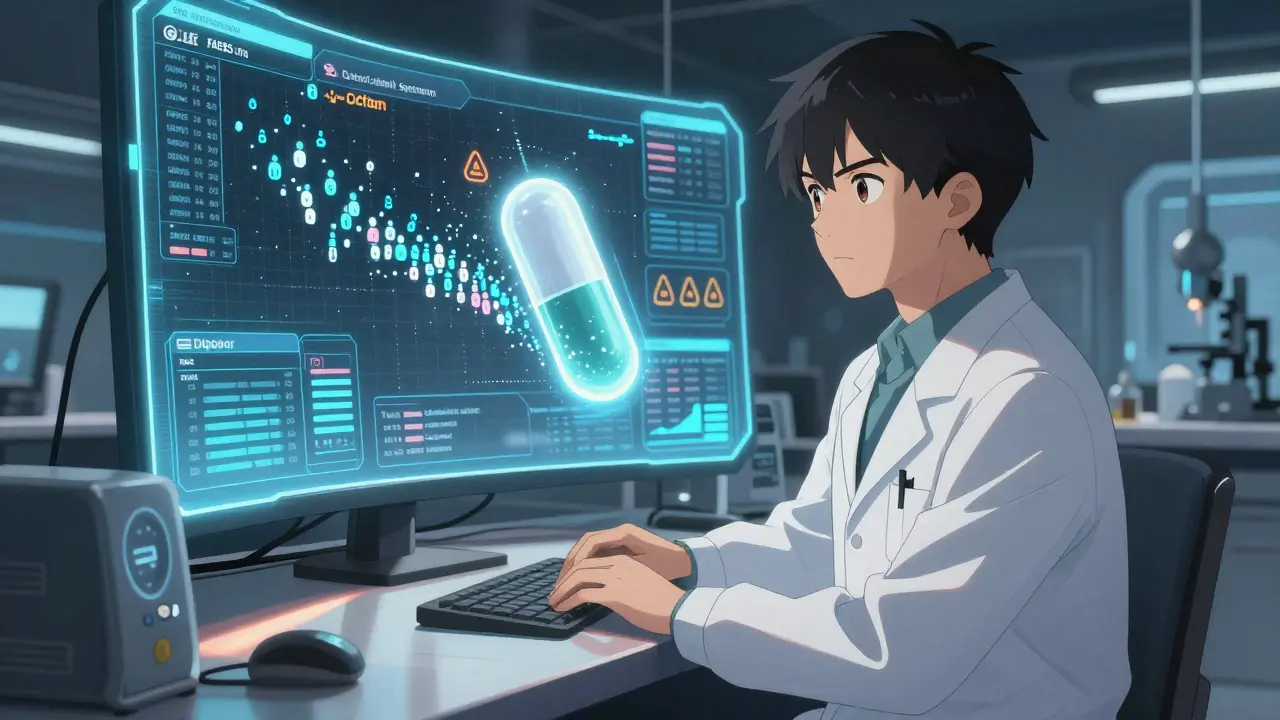
Every year, over 90% of prescriptions filled in the U.S. are for generic drugs. They’re cheaper, widely available, and just as effective as their brand-name counterparts-or so we’re told. But what happens after the FDA approves a generic drug? Does the agency just walk away and hope for the best? Not even close. The real story of how the FDA keeps tabs on generics after they hit the pharmacy shelf is far more complex-and far more critical-than most people realize.
Approval Isn’t the Finish Line
The FDA doesn’t approve generic drugs based on massive clinical trials like brand-name drugs. Instead, they rely on bioequivalence studies, usually with just 24 to 36 healthy volunteers. These studies prove the generic drug delivers the same amount of active ingredient into the bloodstream at the same rate as the brand-name version. That’s it. No long-term data on rare side effects. No data from elderly patients with multiple chronic conditions. No data from people taking five other medications at once. That’s why approval is just the beginning. The FDA knows full well: "It is impossible to have complete information about the safety of a drug at the time of approval." The true safety picture only emerges over months and years of real-world use. That’s where the post-market surveillance system kicks in-and it’s one of the most underappreciated public health tools in the country.The Machinery Behind the Scenes
The FDA doesn’t rely on guesswork or luck. It uses a network of systems, teams, and data sources working together 24/7. At the core is the FDA Adverse Event Reporting System (FAERS) a nationwide database that collects voluntary reports of side effects, overdoses, and other safety concerns from patients, doctors, and drug manufacturers. Every year, FAERS processes over 2 million reports. For generics, this data is mined daily by teams of epidemiologists, pharmacists, and toxicologists in the Office of Generic Drugs (OGD) the FDA unit specifically responsible for overseeing the safety of all approved generic medications. Another major player is the Sentinel Initiative a real-time surveillance system that analyzes electronic health records from over 100 million patients across hospitals, clinics, and insurers. Unlike FAERS, which depends on people reporting problems, Sentinel actively scans records for patterns-like a sudden spike in kidney failures among patients taking a specific generic blood pressure pill. If something unusual pops up, the system flags it within days. Then there’s manufacturing oversight. The Office of Pharmaceutical Quality (OPQ) the FDA division that inspects drug manufacturing facilities worldwide conducts around 1,800 inspections every year-1,200 in the U.S. and 600 overseas. These aren’t scheduled visits. Many are unannounced. Inspectors check everything: how raw materials are stored, whether equipment is clean, if lab tests are accurate. A single contaminated batch of generic metformin can cause widespread harm. That’s why these inspections aren’t optional-they’re mandatory.Why Generics Need Special Attention
You might think: if generics are bioequivalent, why worry? The answer lies in the fine print. Bioequivalence means the active ingredient behaves the same way. But what about the fillers? The dyes? The coatings? These "inactive ingredients" can vary between brands and generics. For most people, that doesn’t matter. But for someone with a rare allergy to red dye #40, or someone with severe acid reflux, even a tiny change in coating can affect how the drug dissolves-and whether it works. The FDA calls these "allowable differences." They’re legally permitted. But they’re also where safety gaps can hide. A 2021 study from the Pew Charitable Trusts found that complex generics-like inhalers, nasal sprays, and topical creams-often show therapeutic differences that standard bioequivalence tests don’t catch. These aren’t just theoretical risks. There have been cases where patients switched to a generic asthma inhaler and suddenly couldn’t control their symptoms. The active ingredient was identical. But the propellant and particle size? Different. And that changed everything. The FDA doesn’t ignore this. The OGD Clinical Safety and Surveillance Committee a multidisciplinary team of doctors, chemists, and scientists who meet regularly to review emerging safety signals for generics specifically looks at these edge cases. When a new generic enters the market, they don’t just wait for reports. They proactively monitor it for the first six to twelve months, especially if it’s a high-volume drug or one with a narrow therapeutic index-like warfarin or levothyroxine.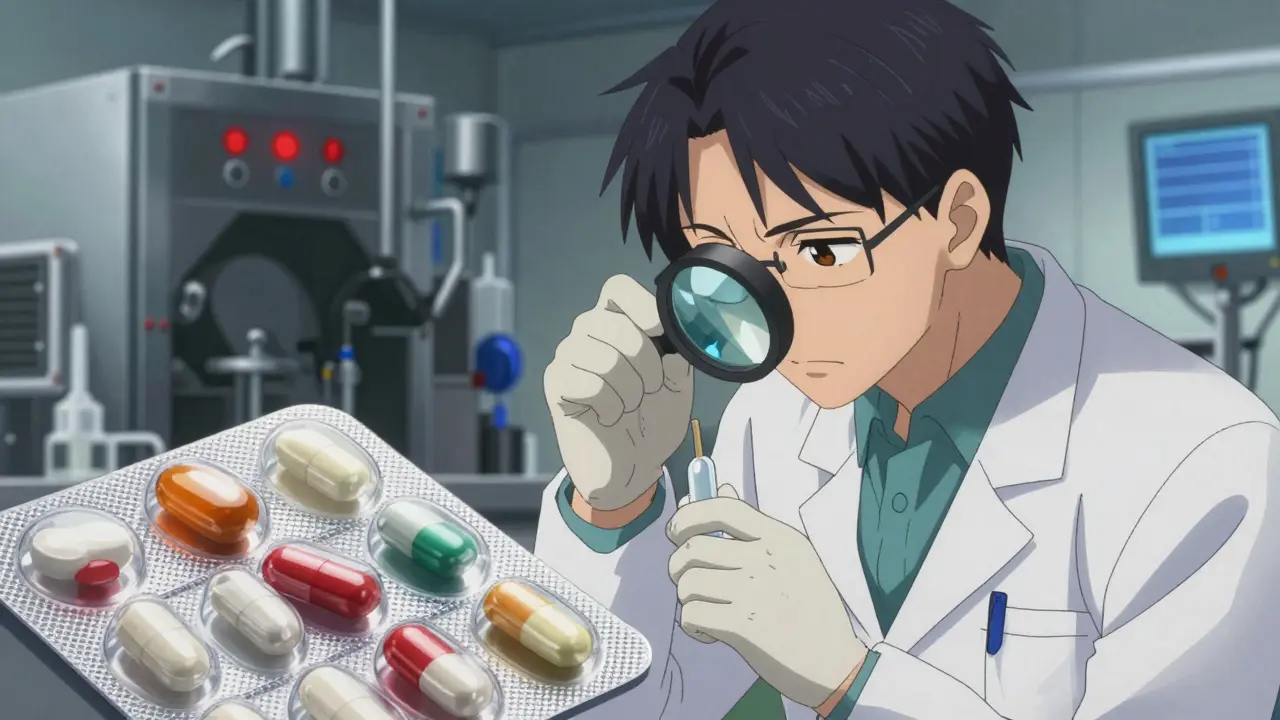
How You Can Help
The system only works if people report problems. That’s why the FDA encourages anyone-patients, caregivers, doctors-to report adverse events through MedWatch the FDA’s official online reporting system for drug safety issues. You don’t need to be a doctor. You don’t need proof. Just report: "I took this generic pill, and then I got X symptom." Even a single report can be the clue that starts an investigation. And yet, experts say fewer than 10% of adverse events are ever reported. Most people assume it’s not their place. Or they think, "It’s probably just a coincidence." But the FDA’s own data shows that many serious safety signals-like the rise in liver damage linked to certain generic statins-were first spotted because of a few scattered reports that someone bothered to file.What Happens When Something Goes Wrong?
When a pattern emerges-say, a cluster of kidney injuries tied to a specific generic version of a blood pressure drug-the FDA doesn’t wait. They move fast. First, they issue a Dear Healthcare Provider Letter a formal notice sent to doctors and pharmacists warning them of a potential safety risk. Then, they update the drug’s label to include new warnings. If the problem is severe and widespread, they can request a voluntary recall. In rare cases, they can pull the drug off the market entirely. In 2023, the FDA took action against a generic version of the heart medication amiodarone after reports of severe lung toxicity. The manufacturer had changed the inactive ingredient without notifying the FDA. The change was small. But in patients with pre-existing lung conditions, it triggered a dangerous reaction. The drug was pulled. Patients were warned. And the FDA updated its guidance for future generics in this class.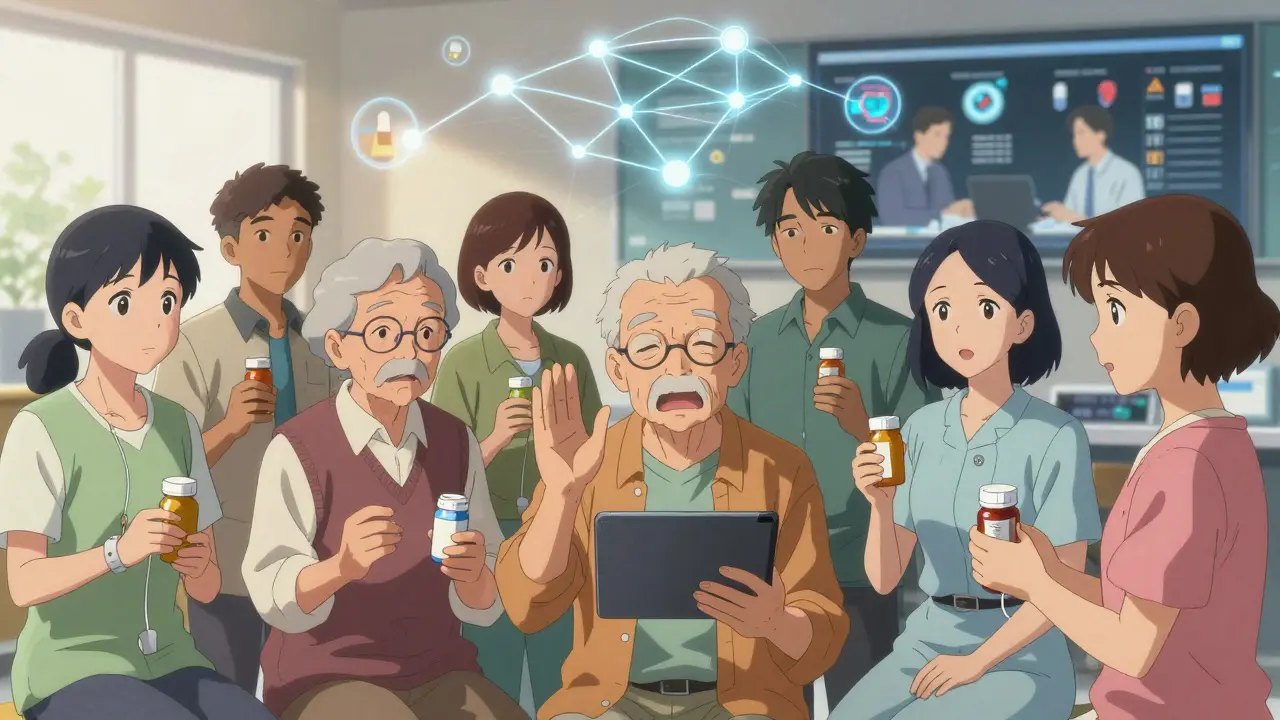
The Bigger Picture
The system isn’t perfect. Critics point out that the FDA still relies too heavily on voluntary reporting. Others say inspections are too infrequent given how many foreign factories supply U.S. generics. And with over 1,000 new generic drugs approved each year, the workload is immense. But the system has evolved. Before 2012, post-market monitoring for generics was patchy. The Generic Drug User Fee Amendments (GDUFA) a legislative framework that funds FDA’s generic drug oversight through fees paid by manufacturers changed that. Now, manufacturers pay fees that directly fund safety monitoring, inspections, and data analysis. In 2023 alone, GDUFA brought in over $65 million to keep this system running. The FDA’s goal isn’t to scare people away from generics. It’s the opposite. They want you to trust them. Because generics save the U.S. healthcare system over $1 trillion every year. They’re not a second choice-they’re the backbone of affordable care. But trust has to be earned. And that’s why the FDA watches them so closely after approval.What’s Next?
By 2025, the Sentinel Initiative is expected to incorporate data from 100 million patients in real time, making it even harder for rare side effects to hide. New tools are being tested to predict safety risks using AI models trained on decades of drug data. The FDA is also working with international regulators to share signals faster-because a problem in India might show up in the U.S. six months later. For now, the message is clear: generics are safe. But safety isn’t a one-time stamp. It’s a continuous process. And the FDA is still watching.Are generic drugs as safe as brand-name drugs?
Yes, generic drugs are required to meet the same strict standards for quality, purity, and strength as brand-name drugs. The FDA requires them to be bioequivalent, meaning they deliver the same active ingredient at the same rate and amount. However, because generics are tested on far fewer people before approval, rare side effects may only appear after widespread use. That’s why the FDA continues to monitor them closely after they hit the market.
How does the FDA find out about problems with generics?
The FDA uses multiple systems. The main one is the FDA Adverse Event Reporting System (FAERS), which collects reports from patients, doctors, and drug companies. They also use the Sentinel Initiative, which scans electronic health records from over 100 million patients to detect unusual patterns in real time. In addition, the FDA conducts unannounced inspections of manufacturing plants worldwide to catch quality issues before they reach patients.
Can inactive ingredients in generics cause problems?
Yes. While the active ingredient in a generic drug must match the brand-name version, the inactive ingredients-like fillers, dyes, or coatings-can differ. For most people, this doesn’t matter. But for patients with allergies, sensitivities, or conditions like acid reflux, these differences can affect how the drug is absorbed. In rare cases, this has led to therapeutic failure or unexpected side effects, which is why the FDA reviews these components carefully during approval and monitors them after launch.
What should I do if I think a generic drug is causing side effects?
Report it. You can file a report through the FDA’s MedWatch system online. You don’t need to be a medical professional. Just describe what happened, the drug name, and when it occurred. Even one report can help the FDA identify a pattern. If you’re unsure which drug caused the issue, check the label for the manufacturer and generic name. Your pharmacist can also help you identify it.
Why do some generics work differently for me than others?
If you’ve noticed that switching between different generic versions of the same drug affects how you feel, you’re not alone. This can happen with drugs that have a narrow therapeutic index-like thyroid medication or blood thinners-where even small changes in absorption matter. The FDA recommends sticking with the same manufacturer if possible. If you notice changes in how you feel after switching generics, talk to your doctor and pharmacist. You may be able to request a specific brand or manufacturer.
aine power
February 20, 2026 AT 06:45Generics? Sure, they're 'bioequivalent.' But let's be real - the FDA's 'post-market surveillance' is just a PR stunt. I've seen patients on levothyroxine swing from hypothyroid to hyperthyroid after a switch. No one talks about this. Because profit > patient safety.
Irish Council
February 21, 2026 AT 01:17They dont want you to know how much the factories in India and China are cutting corners
Robin bremer
February 21, 2026 AT 11:35I took a generic statin and my muscles turned to jelly 😵💫 literally couldn't lift my coffee cup. Then I switched back to brand and boom - normal again. FDA? More like FDA (Forgot Drug Safety).
Jayanta Boruah
February 21, 2026 AT 17:40The structural inadequacies of the current regulatory framework are manifest in the reliance upon bioequivalence as the sole metric for therapeutic equivalence. The absence of pharmacokinetic modeling across heterogeneous populations - particularly geriatric cohorts with polypharmacy - renders the approval paradigm fundamentally deficient. One must interrogate the epistemological foundations of regulatory science.
Greg Scott
February 21, 2026 AT 20:18I appreciate the transparency here. Really. I just wish more people knew about MedWatch. I reported a weird rash after switching generics - turned out 3 others had the same thing. Small thing, but it matters.
Scott Dunne
February 22, 2026 AT 22:04The FDA is a bureaucratic farce. You think they care about safety? They care about industry fees. GDUFA funds their entire operation. That's not oversight. That's a corporate handshake.
Caleb Sciannella
February 23, 2026 AT 02:41It is worth noting that the evolution of post-market surveillance mechanisms, particularly the integration of the Sentinel Initiative, represents a paradigmatic shift in pharmacovigilance strategy. By leveraging real-world data from heterogeneous healthcare systems, the FDA has transitioned from passive reporting to active signal detection - a development that, while imperfect, constitutes a significant advancement in public health infrastructure.
Oana Iordachescu
February 24, 2026 AT 10:51I've been waiting for someone to say this. The dyes in generics? I'm allergic to red #40. My doctor didn't even know the generic had it. I ended up in the ER. The FDA allows this. Why? Because they're too busy approving 1000 new generics a year to check the labels.
Davis teo
February 25, 2026 AT 20:32MY DOCTOR SWITCHED ME TO A GENERIC AND I HAD A PANIC ATTACK FOR 3 WEEKS. I THOUGHT I WAS GOING CRAZY. THEN I SWITCHED BACK. I FELT LIKE A NEW PERSON. WHY DID NO ONE WARN ME? THIS ISN'T JUST A DRUG. IT'S MY LIFE.
Chris Beeley
February 26, 2026 AT 14:23Let’s not romanticize the FDA. The entire system is a house of cards built on voluntary reporting and underfunded inspections. We’re importing 80% of our active pharmaceutical ingredients from countries with zero transparency. And you think a single unannounced inspection per factory per decade is enough? Please. The only reason generics are ‘safe’ is because no one dies in the first 6 months - then the damage is done, and the FDA says ‘we’ll look into it’.
Jeremy Williams
February 27, 2026 AT 00:39The data is clear: generics save trillions. But trust requires accountability. The FDA’s infrastructure, while under-resourced, is the most sophisticated in the world. We must not mistake systemic underfunding for systemic failure. The real failure is public apathy - if we don't report, we're complicit.