
Generic Drug Safety Assessment Tool
Assess Your Medication Switch Safety
This tool helps you determine if switching from a brand-name medication to its generic version is appropriate for your specific situation. Consider your drug type, sensitivity to inactive ingredients, and current stability.
Results
Switch Safety Assessment
Low RiskRecommendation:
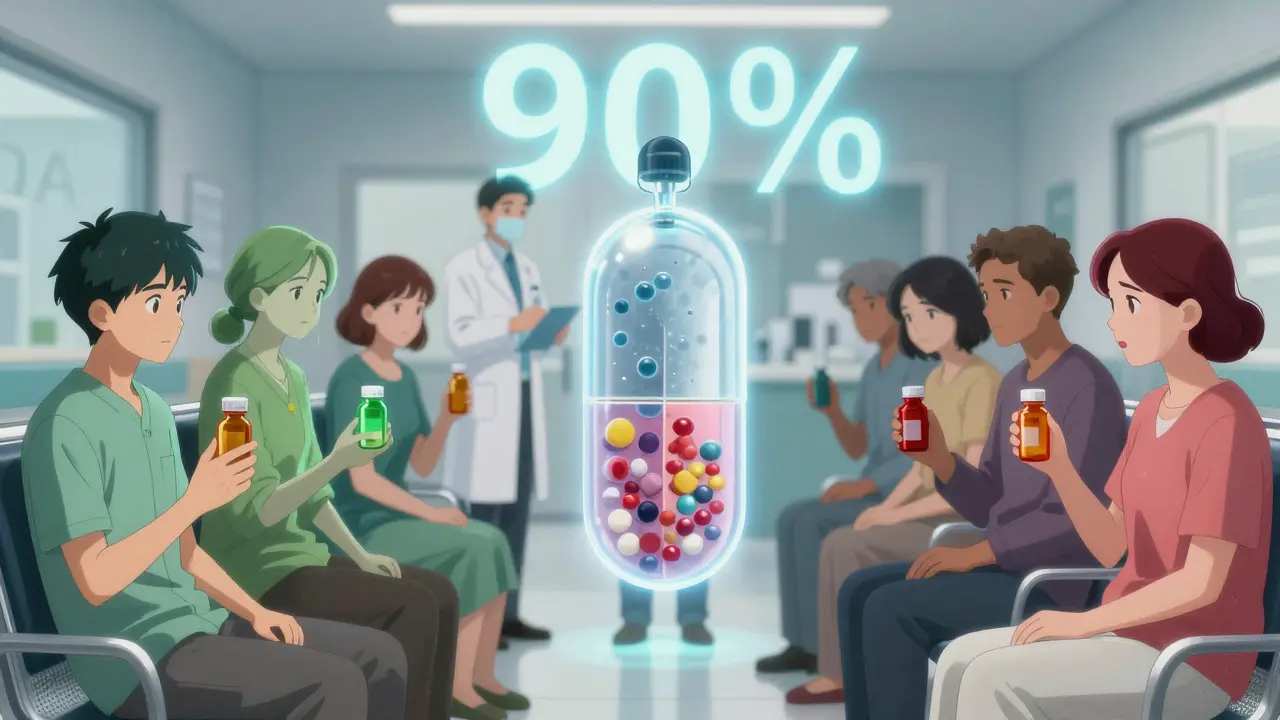
Every year, over 90% of prescriptions filled in the U.S. are for generic drugs. That’s not because people are choosing cheaper options out of habit-it’s because they work. But if you’ve ever switched from a brand-name pill to a generic and felt something was off, you’re not alone. Thousands of people report changes in how they feel after the switch. So is it just in their head? Or are generics truly as safe as the brand names they replace?
What Makes a Generic Drug a Generic?
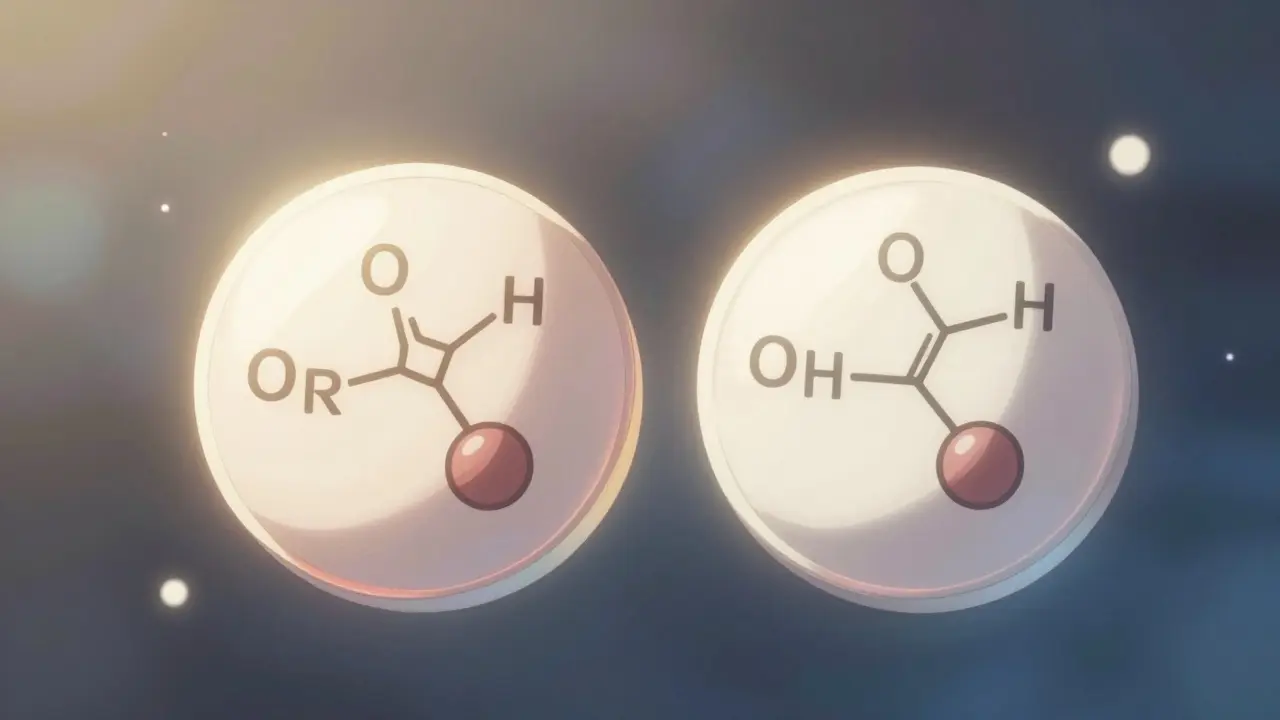
A generic drug isn’t a copycat. It’s not a knockoff. It’s legally required to be the same as the brand-name version in every way that matters: same active ingredient, same strength, same way it’s taken-whether it’s a pill, injection, or patch. The Food and Drug Administration (FDA) is the gatekeeper here. Before a generic can hit the shelf, the manufacturer must prove it delivers the same amount of medicine into your bloodstream at the same rate as the brand. This is called bioequivalence, and the FDA demands it be within 80% to 125% of the brand’s performance. That’s not a wide margin-it’s tight enough to ensure consistent results.
That means if you’re taking 50 mg of metoprolol, whether it’s called Lopressor or just metoprolol tartrate, your body gets the exact same molecule. No hidden differences. No diluted formula. The FDA inspects over 12,000 manufacturing sites worldwide, including those making generics, and checks them every 2.3 years on average. That’s nearly as often as brand-name facilities.
Where Generics Are Different (And Why It Matters)
What’s different? The stuff that doesn’t do anything. Inactive ingredients-fillers, dyes, preservatives, coatings. These are what make a pill look different or taste different. A brand-name drug might use a specific dye to make it look like its trademark color. A generic can’t use that same dye because of trademark laws. So it uses a different one. Same effect. Different color.
For most people, this doesn’t matter. But for a small group, it can. If you’re allergic to a certain dye, or your stomach is sensitive to a particular filler, switching generics might cause a reaction. That’s not because the medicine doesn’t work-it’s because your body reacted to something else in the pill. These cases are rare, but they happen. And that’s why some patients feel like the generic isn’t working when, in fact, it’s the filler causing side effects.
What About Critical Medications?
Some drugs have what’s called a narrow therapeutic index (NTI). That means the difference between a dose that works and one that’s dangerous is tiny. Take warfarin, for example. Too little, and you risk a clot. Too much, and you bleed. Same with levothyroxine, used for thyroid conditions. Even a 5% difference in absorption could throw your levels off.
That’s why the FDA requires extra scrutiny for NTI generics. In 2023, they issued new draft guidance asking manufacturers to prove not just bioequivalence-but consistent bioequivalence across different batches. A 2019 study in JAMA Internal Medicine followed 1.5 million Medicare patients on levothyroxine. It found no difference in hospital visits or adverse events between those on brand and generic versions. Another study in 2022 looked at patients switching from brand to generic antiepileptics and found a 12% higher chance they’d stop taking the drug altogether-not because it stopped working, but because they felt different. That’s an adherence issue, not a safety one.
What Do the Numbers Say?
Let’s talk data. The FDA’s adverse event database, FAERS, recorded 1.7 reports per 100,000 prescriptions for generics versus 1.5 for brand names. That tiny gap? Experts say it’s because generics are used far more often. More people taking them = more reports, even if the risk is the same. The Inflation Reduction Act of 2022 projected $98 billion in savings from faster generic approvals. That’s not just money-it’s access. For many, generics are the only way they can afford their meds.
And yet, 68% of U.S. adults in a 2022 Kaiser Family Foundation survey believed generics were less effective-even though 89% had used them. That’s a trust gap. Pharmacists, who see the results daily, are far more confident: 92% said generics are therapeutically equivalent, according to a Pharmacy Times poll.
Why Do Some People Feel Different on Generics?
Real stories matter. On Drugs.com, users gave generic levothyroxine a 5.8 out of 10 rating. About 38% reported negative effects. For the brand Synthroid, it was 32%. On Reddit, threads about switching to generic thyroid meds are full of people saying their TSH levels spiked after the switch. Others say they felt fine. Why the disconnect?
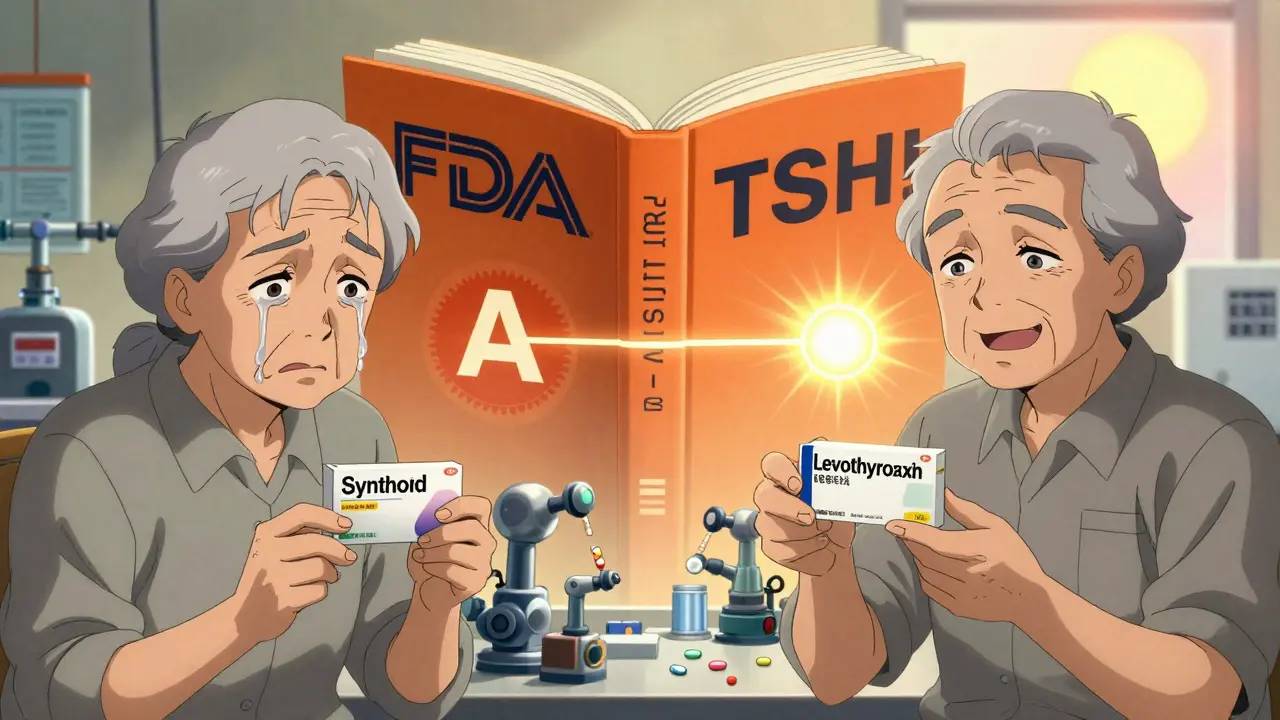
It’s not always the drug. It’s the switch. When you change from one pill to another-even if they’re identical-you change the routine. You change the size, the shape, the color. Your brain notices. Your body might interpret that as something being wrong. For patients with chronic conditions, stability matters as much as chemistry. If you’ve been on Synthroid for 10 years and feel great, switching to a generic-even one approved by the FDA-can trigger anxiety. That anxiety can show up as fatigue, weight gain, or brain fog. It’s not the medicine. It’s the change.
Who Should Be Careful?
Not everyone needs to avoid generics. But if you’re taking one of these, talk to your doctor before switching:
- Warfarin (blood thinner)
- Levothyroxine (thyroid hormone)
- Phenytoin (seizure control)
- Digoxin (heart rhythm)
- Cyclosporine (organ transplant)
These are NTI drugs. Your doctor might recommend staying on the brand if your levels have been stable. But if you’re doing fine on a generic? Don’t switch back unless you have a reason. The FDA’s Orange Book lists every approved generic and rates them as A (substitutable) or B (not substitutable). Over 97% are A-rated.
Cost and Access: The Real Story
A brand-name drug can cost $657 per prescription. The generic? Around $11. That’s not a small difference. For people on fixed incomes, that’s food vs. medicine. The Medicare Part D program saved $1.67 trillion from 2006 to 2020 because of generics. Without them, millions would skip doses or go without.
And here’s something surprising: about half of all generic drugs are now made by the same companies that make the brand names. Pfizer’s Greenstone, Novartis’s Sandoz-they’re big players in both worlds. That means the same factories, same quality controls, same inspectors. The only real difference? The label.
What’s Changing Now?
The FDA is stepping up inspections and requiring more data for complex generics, especially NTI drugs. The Generic Drug User Fee Amendments (GDUFA) III, running through 2027, means more frequent checks and faster reviews. In 2022, there were 287 drug shortages-up 17% from the year before-and most were generics, especially injectables. That’s a supply chain issue, not a safety one. But it’s a reminder: even safe drugs can be hard to get if manufacturing runs into trouble.
Meanwhile, biosimilars-complex generics for biologic drugs-are starting to appear. They’re not exact copies, but they’re proven to work the same. The FDA approved 72 complex generics in 2022, up from 45 in 2020. That’s progress.
Final Take: Are Generics Safe?
Yes. For the vast majority of people, taking a generic is just as safe as taking the brand name. The science is clear. The data backs it up. The FDA doesn’t approve a generic unless it’s proven to work the same way.
But safety isn’t just about chemistry. It’s about consistency. If you’ve been stable on a brand, and your doctor says you can switch, go ahead. But if you’ve had bad reactions before, or you’re on a narrow therapeutic index drug, talk to your provider. Don’t assume the generic is the same just because it’s cheaper. And if you feel different after switching, don’t ignore it. Track your symptoms. Get your levels checked. It might be the drug. It might be the filler. Or it might just be your body adjusting to change.
Generics saved the U.S. healthcare system billions. They let people live longer, healthier lives. They’re not perfect. But they’re not dangerous. They’re just medicine-with a different label.
Are generic drugs as effective as brand-name drugs?
Yes, for the vast majority of medications. The FDA requires generics to prove they deliver the same active ingredient at the same rate and amount as the brand-name version. This is called bioequivalence. Studies involving millions of patients show no meaningful difference in effectiveness or safety for most drugs.
Why do some people feel worse on generic drugs?
It’s usually not the active ingredient. Differences in inactive ingredients-like fillers, dyes, or coatings-can affect how a person feels, especially if they have sensitivities. Also, switching from a familiar brand to a different-looking generic can trigger psychological responses, like anxiety or nocebo effects, where people expect to feel worse and therefore do. For drugs with narrow therapeutic indexes, even small absorption changes can matter, so monitoring is key.
Which generic drugs should I avoid switching to?
Be cautious with drugs that have a narrow therapeutic index (NTI), where small changes in blood levels can cause serious effects. These include warfarin, levothyroxine, phenytoin, digoxin, and cyclosporine. If you’re stable on a brand-name version, talk to your doctor before switching. The FDA’s Orange Book lists which generics are rated as A (substitutable) or B (not substitutable).
Can I trust generic drugs made overseas?
Yes. The FDA inspects all facilities-whether in the U.S., India, China, or elsewhere-that make drugs sold in America. As of 2023, over 12,000 global manufacturing sites are under FDA oversight. While there have been warning letters for data integrity issues at some foreign plants, these are investigated and corrected before products are allowed on the market. The FDA doesn’t distinguish between domestic and foreign-made generics in terms of safety standards.
Do pharmacists automatically substitute generics?
In 47 U.S. states, pharmacists can substitute a generic unless the prescription says "dispense as written" or the prescriber has marked it as non-substitutable. You can always ask your pharmacist if a generic is being substituted, and you can request the brand if you prefer. But unless you have a specific reason, generics are safe, effective, and save you money.
Are brand-name drugs made in better facilities than generics?
No. The same manufacturing facilities often produce both brand-name and generic versions. Companies like Pfizer and Novartis make both. The FDA inspects all sites equally, with generic facilities inspected every 2.3 years on average-almost as often as brand-name ones. Quality standards are identical. The difference is in the label, not the lab.
Ted Conerly
January 10, 2026 AT 15:44Generics work. Period. I’ve been on generic metoprolol for five years, same dose, same results. My BP is stable, no side effects. The FDA doesn’t cut corners on this stuff. If you’re feeling off after a switch, it’s probably the filler or your brain playing tricks. Not the medicine.
Faith Edwards
January 10, 2026 AT 20:06One is tempted to regard the current cultural obsession with cost-efficiency as a noble endeavor-until one observes the alarming commodification of human physiology. To equate a life-sustaining pharmaceutical with a discount-store commodity is not merely reductive; it is a profound moral lapse disguised as fiscal prudence.
Jay Amparo
January 11, 2026 AT 09:26As someone from India where generics are the backbone of healthcare, I’ve seen families thrive because of them. My aunt took generic levothyroxine for 8 years-her TSH stayed perfect. The fear around generics? Often comes from lack of exposure. We don’t have luxury of brand-name luxury here, but we do have science.
Lisa Cozad
January 12, 2026 AT 09:04I work in a pharmacy and see this every day. People panic when they get a different-looking pill. We explain it’s the same drug, just different dye. Most calm down. A few still insist the generic ‘doesn’t work.’ I’ve never seen a lab result prove it. It’s the placebo effect in reverse.
Saumya Roy Chaudhuri
January 13, 2026 AT 18:58Let me tell you something-most people who complain about generics have never even read the FDA’s bioequivalence guidelines. They think ‘same active ingredient’ means ‘same everything.’ Wrong. The inactive ingredients can trigger reactions. And yes, NTI drugs need caution. But 97% of generics are A-rated. If you’re not monitoring your levels, that’s your fault, not the drug’s.
Ian Cheung
January 13, 2026 AT 20:46Generics saved my life when I lost my job and insurance. Synthroid was $500 a month. Generic was $4. I switched. My TSH didn’t budge. I didn’t feel ‘different.’ I felt free. People who say generics don’t work? They’re either scared or never actually checked their labs. Just sayin’.
Jake Nunez
January 14, 2026 AT 16:18My dad’s on warfarin. Doctor kept him on brand. Said the generic batches were too inconsistent. I didn’t believe it till I saw his INR numbers jump 0.8 after a switch. Not every generic is equal. Trust your doc, not the label.
Jaqueline santos bau
January 15, 2026 AT 14:23Oh please. You think people are just ‘imagining’ side effects? I switched to generic Adderall and felt like I was drugged with wet cardboard. My brain fog lasted three weeks. My pharmacist said ‘it’s the same.’ But my body knew. And my therapist said I needed to go back to brand. Don’t gaslight people who feel different.
Kunal Majumder
January 17, 2026 AT 12:20My cousin in Delhi takes generic insulin. No brand name. Just a little white pill. She’s been stable for 12 years. If generics work for her in a country with half the healthcare budget, why are we so scared here? It’s not about science. It’s about trust. And that’s something we can build.
anthony martinez
January 19, 2026 AT 11:34So the FDA inspects every site every 2.3 years? Cool. That means some plants go 3 years without a check. And half the generics are made by the same companies that make the brand names? So we’re paying more for the same factory with a fancy logo. Got it. Thanks for the marketing breakdown.
Mario Bros
January 19, 2026 AT 20:44My grandma takes generic blood pressure meds. She’s 82. Still walks 3 miles a day. No hospital visits. No complaints. She doesn’t know what ‘bioequivalence’ means. But she knows her pills work. Sometimes the science doesn’t need a lecture-just a result.
Paul Bear
January 20, 2026 AT 04:19It is imperative to distinguish between pharmacokinetic equivalence and therapeutic equivalence. While the FDA mandates bioequivalence within 80–125% AUC and Cmax parameters, this statistical tolerance window permits clinically significant variability in NTI drugs. Furthermore, the FAERS dataset is inherently biased by underreporting and confounding variables-most notably, polypharmacy and age-related pharmacodynamics. Therefore, extrapolating population-level safety to individual patient outcomes remains methodologically unsound.
lisa Bajram
January 21, 2026 AT 00:26YES! I’ve been telling people this for years! The dye in generics? My sister’s allergic to FD&C Red 40-so she gets hives from the generic version of her antidepressant. The pill is chemically identical, but the color? Totally different. And the brand? No red dye. So she’s fine. It’s not about the drug-it’s about the packaging. Literally. Don’t ignore your body’s signals!
Dwayne Dickson
January 22, 2026 AT 14:56Let’s be clear: the perception gap isn’t irrational. It’s a psychological artifact of chronic illness. When you’ve spent a decade on a pill that feels like your anchor, changing its shape, size, or color disrupts your internal narrative. The drug hasn’t changed. But your identity has. That’s why adherence drops-not because generics are unsafe, but because humans are fragile creatures who crave stability. The solution? Not fear. Communication.