
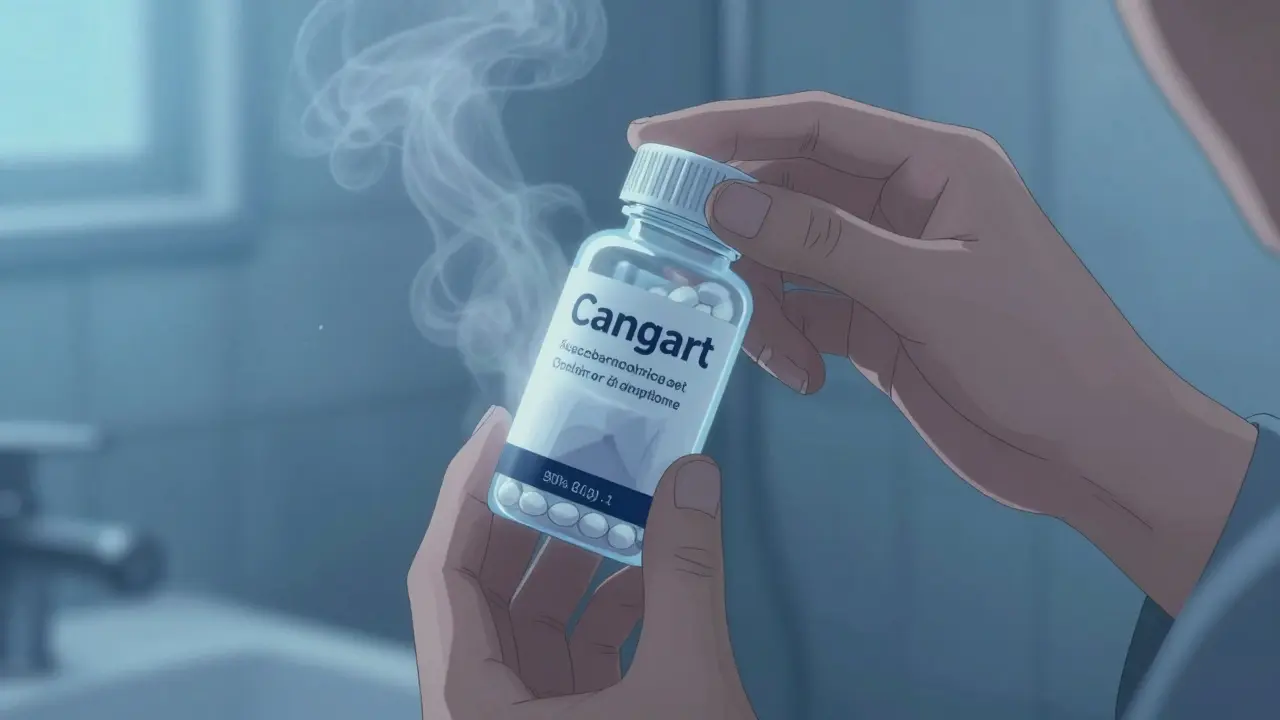
Moisture doesn’t just ruin your phone or your favorite book-it can ruin your medicine. If your pills or capsules have been sitting in a humid bathroom, a damp medicine cabinet, or a poorly sealed bottle, they might be losing potency-or worse, turning into something harmful. Moisture damage is one of the most common reasons medications fail, and it’s entirely preventable with the right steps.
Why Moisture Destroys Pills and Capsules
Pills and capsules aren’t just little chunks of chemical. They’re carefully engineered to stay stable until they reach your body. When moisture gets in, it triggers chemical reactions that break down the active ingredients. This isn’t just about your medicine not working-it’s about safety. For example, aspirin turns into salicylic acid and vinegar when exposed to moisture. That’s not just ineffective-it can irritate your stomach. Vitamin C, antibiotics like amoxicillin/clavulanate, and even some supplements are highly sensitive. Hydrolysis (water breaking chemical bonds) and oxidation (reaction with oxygen, worsened by moisture) are the two main culprits. The result? Lower potency, unpredictable dosing, and sometimes toxic byproducts. The FDA and European Medicines Agency both require manufacturers to prove their packaging keeps moisture out. But once the bottle leaves the pharmacy, you’re on your own. And that’s where most failures happen.How Moisture Gets In-Even When You Think You’re Safe
You might think keeping your pills in a closed bottle is enough. It’s not. Here’s how moisture sneaks in:- Head space air: Every time you open a 500-pill bottle to take two pills, you let in humid air. Over the course of a month, that’s dozens of air exchanges. As the bottle empties, the air space grows-and so does the moisture risk.
- Poor packaging: HDPE (high-density polyethylene) bottles are common, but they’re not moisture-proof. They block liquid water but let vapor through over time.
- Transfer to pill organizers: Many people dump pills into plastic weekly organizers. These have no desiccants, no seals, and often sit in humid spots. This is the #1 cause of degraded meds in home use.
- Humid environments: Bathrooms, kitchens, and basements are moisture traps. Even in dry climates, indoor humidity can spike.
Three Layers of Protection That Actually Work
The best defense isn’t one trick-it’s three working together. Manufacturers use this approach. You should too.1. Choose PVA-Coated Pills When Possible
Not all pills are made the same. The coating matters. Most pills use HPMC (hydroxypropyl methylcellulose), a common, cheap coating. But it’s not great against moisture. Newer coatings like PVA (polyvinyl alcohol), used in products like Opadry® amb II, are three times better at blocking moisture. In tests, uncoated and HPMC-coated amoxicillin tablets lost all their clavulanic acid after 10 days in open air. PVA-coated ones? Still fully potent. Ask your pharmacist: “Are these pills coated with PVA?” If they don’t know, it’s likely HPMC. You’re better off with PVA-especially for antibiotics, heart meds, or anything you take long-term.2. Never Remove the Desiccant Pack
That little packet labeled “Do Not Eat” in your pill bottle? It’s not trash. It’s your medicine’s best friend. Silica gel desiccants can absorb up to 40% of their own weight in moisture. In real-world testing, a properly sized silica gel pack kept moisture levels in a pill bottle from rising more than 0.3% over two years-even in hot, humid conditions. Never throw it away. Even if the packet looks dry, it’s still working. If it’s clumped or wet, replace the bottle. Some manufacturers now use Tyvek packaging with built-in desiccants-those are ideal.3. Store Pills in the Right Place
The bathroom cabinet? Bad. The kitchen counter? Worse. The bedroom drawer? Perfect. Keep pills in a cool, dry, dark place. A closet shelf or a drawer in your bedroom is ideal. Avoid places near the stove, sink, or window. If you live in a humid climate, consider a small dehumidifier in your bedroom. Never store pills in the fridge unless the label says so. Condensation forms when you take them out, which can cause more moisture damage than leaving them at room temperature.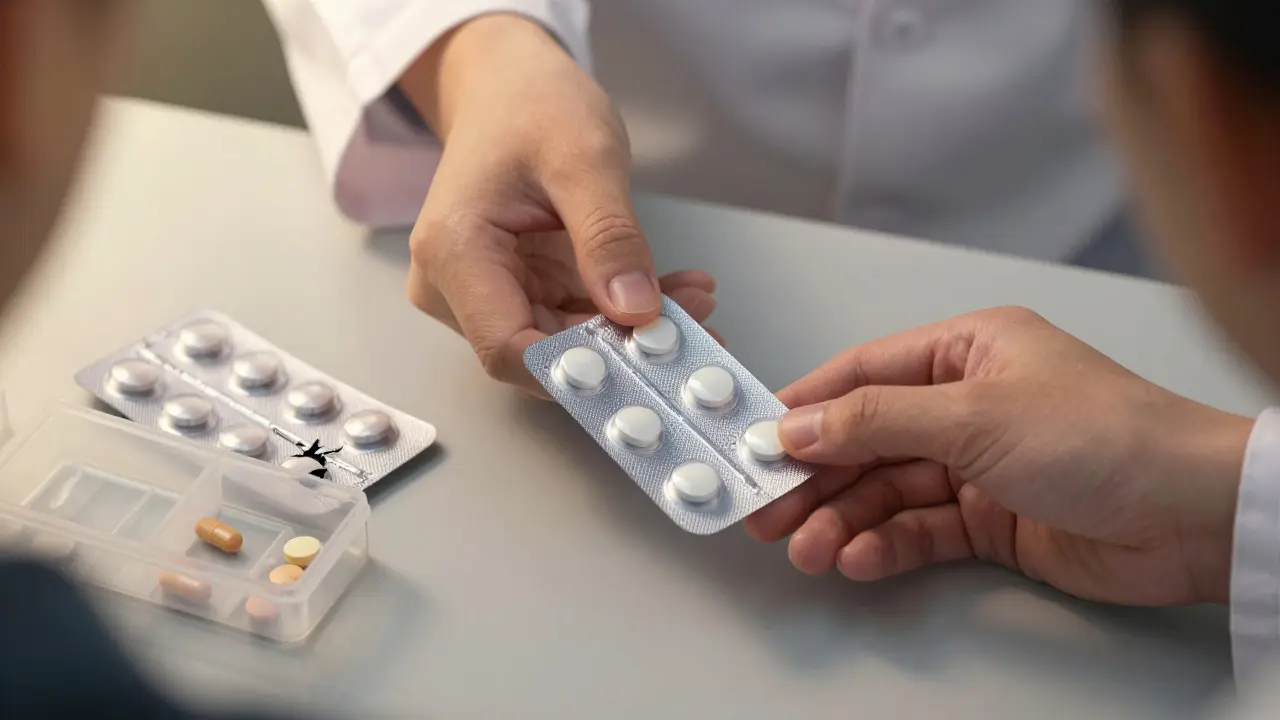
What Not to Do
Here are the top mistakes people make:- Transferring pills to plastic pill organizers: These offer zero moisture protection. If you use one, refill it weekly and keep the original bottle as your primary storage.
- Leaving bottles open: Even 10 minutes of exposure can let in enough moisture to start degradation.
- Using outdated pills: If your bottle says “expires 12/2024,” don’t take it in 2025. Moisture damage doesn’t always show visually, but potency drops fast after expiration.
- Ignoring clumping or odd smells: If pills stick together, smell sour, or look discolored, toss them. That’s moisture damage in action.
What Pharmacists Are Doing Differently
Pharmacies know this problem well. Many now:- Dispense moisture-sensitive meds in foil blister packs instead of bottles.
- Include extra desiccant packs upon request.
- Use PVA-coated generics when available.
When to Replace Your Pills
You don’t need a lab to tell if your pills are compromised. Look for these signs:- Pills are sticky, discolored, or cracked
- Capsules are soft, swollen, or leaking
- Tablets have a vinegar-like smell (aspirin degradation)
- There’s visible mold or powder clumping

Special Cases: Travel, Tropical Climates, and Long-Term Storage
If you’re traveling to a humid country, bring your meds in their original bottles with the desiccant. Add a small silica gel pack to your travel case. Avoid leaving pills in your car or suitcase in the sun. For long-term storage (like emergency kits), use airtight containers with oxygen absorbers and desiccants. Mason jars with tight lids work well. Label them clearly and check every 6 months.Final Takeaway: Simple Rules for Safe Storage
You don’t need to be a pharmacist to keep your meds safe. Just follow these five rules:- Keep pills in their original bottle with the desiccant inside.
- Store in a cool, dry place-like a bedroom drawer.
- Never transfer to plastic pill organizers for long-term use.
- Choose PVA-coated pills when you have a choice.
- When in doubt, throw it out.
Can I store pills in the refrigerator to keep them dry?
No, unless the label specifically says to. Refrigerators have high humidity, and when you take pills out, condensation forms on the container and inside the bottle. This can cause more moisture damage than leaving them at room temperature in a dry place. Always follow the storage instructions on the label.
Are all pill bottles the same when it comes to moisture protection?
No. HDPE plastic bottles block liquid water but let moisture vapor in over time. Foil blister packs and aluminum foil-laminated packaging offer much better protection. If your medication is moisture-sensitive, ask your pharmacist for blister packs or bottles with desiccants.
What if I accidentally left my pills in a hot car?
Heat and moisture together are especially damaging. If your pills were in a hot car for more than a few hours, especially in summer, it’s best to replace them. Heat can accelerate chemical breakdown even without visible moisture. When in doubt, consult your pharmacist or doctor.
Can I reuse desiccant packs from old bottles?
No. Once a silica gel pack has absorbed moisture, it’s no longer effective unless it’s been reactivated by baking-something you can’t safely do at home. Always use new desiccant packs provided with new medication bottles.
Why do some pills look different even if they’re the same drug?
Different manufacturers use different coatings, binders, and colors. A PVA-coated pill may look shinier or more durable than an HPMC-coated one. Don’t assume all versions are equal. If you notice a change in how your pills look or taste, ask your pharmacist if the formulation changed.
Is it safe to take expired pills if they look fine?
No. Even if they look okay, expired pills may have lost potency due to moisture or heat exposure over time. For critical medications like heart drugs, insulin, or antibiotics, this can be dangerous. Always dispose of expired meds properly and get a new prescription.
Next Steps: What to Do Today
Take five minutes right now:- Check your medicine cabinet. Are there any bottles without desiccant packs?
- Look at your pill organizer. Are you storing meds there long-term?
- Find your most important prescription. Is it PVA-coated? If not, ask your pharmacist next time you refill.
amanda s
December 16, 2025 AT 17:14This is why America needs to stop importing cheap foreign meds that fall apart in humidity. I had a friend take expired antibiotics from India and ended up in the ER. We need PVA-coated pills made in the USA, period.
Stop letting big pharma cut corners.
Our lives aren't a cost-cutting experiment.
Jigar shah
December 18, 2025 AT 10:50Excellent breakdown. The science behind hydrolysis and oxidation in pharmaceuticals is often overlooked. I’d add that even ambient humidity above 60% RH accelerates degradation significantly, especially for beta-lactam antibiotics. The silica gel desiccant recommendation is spot-on-studies show it can extend shelf life by up to 300% in non-climate-controlled environments.
Also, HDPE permeability rates vary by thickness; 0.004 inch is standard but 0.006 inch offers measurable improvement.
Nishant Desae
December 18, 2025 AT 14:15Man, I never realized how much I was messing up my meds until I read this. I’ve been dumping my blood pressure pills into that plastic organizer on my nightstand for years, thinking it was just convenient. Turns out I’ve been slowly poisoning myself with moisture and heat. I’m going to stop right now and get a small drawer in my bedroom just for meds. And I’m keeping every desiccant pack-even the little ones that look dry. I don’t care if it’s weird, I’m not risking another hospital trip. Thank you for writing this like you actually care.
Also, if anyone else is like me and forgets to check expiration dates, maybe set a phone reminder every three months? Just a thought.
Meghan O'Shaughnessy
December 19, 2025 AT 05:11As someone who grew up in Kerala and now lives in Florida, I’ve seen meds turn to mush in both places. The real issue isn’t just storage-it’s cultural. In India, people keep medicines in the kitchen near the stove because ‘that’s where we’ve always kept them.’ In the US, it’s the bathroom because ‘it’s convenient.’ Neither works. I’ve started carrying my own silica packs when I visit family. Simple fix. Big difference.
Jody Patrick
December 21, 2025 AT 03:26Just throw out the pill organizer. Full stop. If you need to take meds during the day, use the original bottle with a small pill splitter. No excuses.
Radhika M
December 23, 2025 AT 02:56I work in a pharmacy and this is so true. People always ask why their pills taste funny. Nine times out of ten, it’s because they put them in a plastic box by the window. I keep extra desiccants behind the counter and give them out free. Just say ‘I want the moisture guard’ and I’ll slip one in. Easy fix.
Philippa Skiadopoulou
December 23, 2025 AT 13:17While the advice is sound, the emphasis on PVA coatings is somewhat misleading. Not all PVA formulations are created equal, and regulatory approval for moisture resistance varies by jurisdiction. The critical factor is the overall packaging system, not the coating alone. Blister packs with aluminum backing remain the gold standard. Desiccants are supplemental, not primary protection.
Pawan Chaudhary
December 24, 2025 AT 03:31Hey everyone, just wanted to say thank you for this post. I’ve been taking my heart meds for 10 years and never thought about this stuff. I’m gonna start storing mine in a drawer and keep the little packet. You know what? I feel better already. Small changes, big results. You’re all doing great just by reading this. Keep going!
Jonathan Morris
December 24, 2025 AT 21:32Let’s be real-this whole ‘moisture damage’ narrative is a distraction. The real issue is that pharmaceutical companies are using inferior coatings to cut costs, then selling you the same drug under different brand names. They know silica gel works. They know blister packs work. But they don’t want you to know because then you’d demand better packaging. This isn’t about humidity-it’s about corporate greed. And the FDA? They’re asleep at the wheel.
Linda Caldwell
December 26, 2025 AT 20:27STOP PUTTING PILLS IN THE BATHROOM. Seriously. I used to do it because I forgot to take them. Now I keep them by my coffee maker and take them with my first sip. Life changed. Also-desiccant packs are magic. Don’t be that person who throws them away like trash. They’re tiny superheroes.
Anna Giakoumakatou
December 27, 2025 AT 10:42How quaint. You’ve been told to store pills in a drawer like some 1950s housewife and now you feel virtuous. But let’s be honest-this entire guide is just a corporate-approved checklist designed to make you feel safe while the real problem-pharmaceutical supply chain decay-goes unaddressed. You think a silica gel packet fixes systemic rot? Cute.
CAROL MUTISO
December 28, 2025 AT 01:52Okay, I’m gonna say something nobody else will: I used to roll my eyes at the ‘do not eat’ packet. Thought it was a gimmick. Then I accidentally left my antidepressants in my car for a week in July. When I opened the bottle, the pills were sticky and smelled like old vinegar. I didn’t take one. I threw them out. And I cried-not because I was scared, but because I realized how little we’re taught about the fragility of our own medicine. We treat pills like candy. They’re not. They’re chemistry. They’re time. They’re trust. That little packet? It’s not trash. It’s a quiet promise that someone, somewhere, cared enough to protect you. I keep them now. All of them. Even the ones from expired bottles. I wash them, dry them, put them in a jar. I don’t know why. But I do it anyway. Maybe it’s not logic. Maybe it’s love.
Erik J
December 29, 2025 AT 22:27Interesting. Do you have data on the permeability rate of HDPE vs. PET in relative humidity above 70%? Also, what’s the activation energy for hydrolysis of amoxicillin-clavulanate at 30°C vs. 40°C? Just curious.
BETH VON KAUFFMANN
December 31, 2025 AT 13:49TL;DR: Don’t be an idiot. Store meds properly. Desiccants > your bathroom. Blister packs > plastic bottles. PVA > HPMC. Expired = trash. If you’re still using a pill organizer, you’re not a patient-you’re a liability. Also, your pharmacist is not your friend. They’re just trying to avoid lawsuits. Ask for blister packs. Demand it. Otherwise, stop complaining when your meds don’t work.