
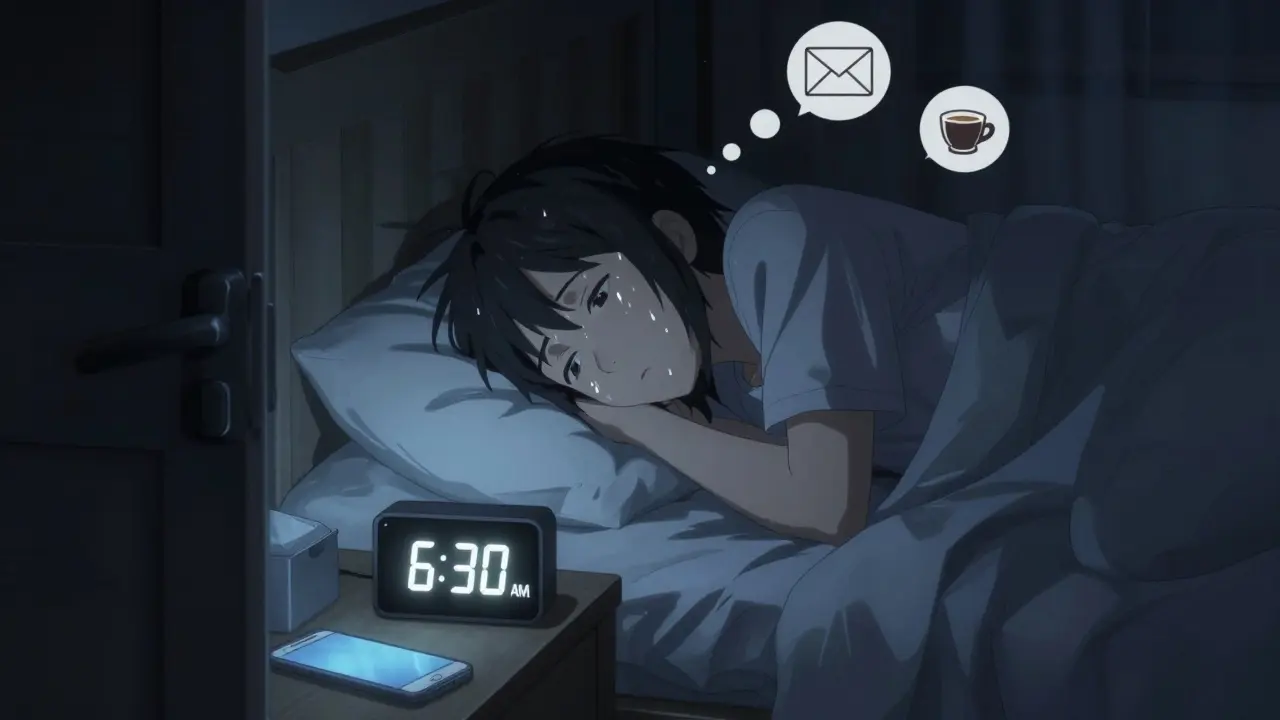
Most people think poor sleep is just about not getting enough hours. But if you’ve been lying awake for an hour, tossing and turning, or waking up exhausted even after 8 hours in bed-you’re not just sleep-deprived. You’re likely missing the real key: sleep hygiene.
Sleep hygiene isn’t about fancy gadgets or expensive mattresses. It’s about the daily habits you build that either help your body settle into deep, restful sleep-or sabotage it. And the science is clear: fixing these behaviors can cut insomnia symptoms by 30-40%, without a single pill.
It’s Not What You Do at Night-It’s What You Do All Day
The biggest mistake people make? Thinking sleep hygiene is just about turning off the lights and avoiding caffeine after dinner. That’s part of it. But the real power lies in what you do during the day.
Your body runs on a 24-hour clock called the circadian rhythm. It doesn’t care if you feel tired at midnight. It cares about light, movement, and routine. If you wake up at 7 a.m. on weekdays but hit snooze until 11 a.m. on weekends, you’re basically jet-lagged every Monday. That’s why the single most powerful habit is waking up at the same time every day, even on weekends. Studies show this one change reduces how long it takes to fall asleep by up to 70%.
It’s not about forcing yourself to sleep earlier. It’s about anchoring your internal clock. Once your wake time is locked in, your bedtime naturally follows. You don’t need to track sleep cycles or use fancy apps. Just set your alarm and stick to it.
Your Bedroom Should Feel Like a Sleep Sanctuary
Think of your bedroom like a temple for rest. It shouldn’t be your office, your TV lounge, or your stress zone. If you’re scrolling through work emails or watching Netflix in bed, your brain starts associating your mattress with alertness-not sleep.
Here’s what actually works:
- Keep the room between 60-67°F (15.6-19.4°C). That’s cooler than most people think. Your body needs to drop its core temperature to fall asleep, and a warm room blocks that.
- Make it dark. Even a tiny LED from a charger or a streetlight outside can interfere with melatonin. Use blackout curtains or a simple sleep mask.
- Keep it quiet. If noise is unavoidable, use a white noise machine or a fan. It’s not about silence-it’s about consistency.
And yes, your phone belongs outside the bedroom. Not because blue light is evil-it’s not that simple-but because the habit of checking it keeps your mind active. If you need an alarm, buy a cheap digital clock. Your brain will thank you.
What You Eat, Drink, and Do Before Bed Matters More Than You Think
You’ve heard: no caffeine after 2 p.m. That’s outdated. For most people, caffeine stays in your system for 8 hours. So if you’re drinking coffee at 5 p.m., you’re still half-awake at 1 a.m. Cut it off by noon if you’re sensitive. If you’re not sure, try going caffeine-free for 10 days and see how you sleep.
Alcohol? It might make you fall asleep faster, but it shreds your deep sleep. You’ll wake up more often, feel groggy, and remember less of your dreams-because your brain never gets into the restorative phases.
Heavy meals right before bed? Your body is busy digesting, not repairing. Give yourself at least 3 hours between dinner and lights out. A light snack is fine-like a banana or a handful of almonds-but don’t go full pizza.
And what about exercise? You’ve probably been told not to work out after 7 p.m. That’s not true. A 2023 study in Japan found people who lifted weights or did yoga at night actually slept better. The key is avoiding intense exercise within 60 minutes of bed. Light stretching or walking? Perfect.

Stop Trying So Hard to Sleep
This one catches people off guard. The more you stress about falling asleep, the harder it becomes. It’s like trying to relax on a plane when someone keeps asking, “Are you asleep yet?”
If you’ve been lying in bed for 20 minutes and your mind is racing, get up. Go to another room. Sit in a dim chair. Read a boring book. Do nothing. Don’t check the time. Don’t think about tomorrow. Just be still.
When you feel sleepy again, go back to bed. Repeat as needed. This isn’t a trick-it’s called stimulus control, and it’s one of the most effective tools in cognitive behavioral therapy for insomnia. It retrains your brain: bed = sleep, not worry.
And if you’re constantly checking your sleep tracker app, wondering if you got enough deep sleep? Stop. Those devices are useful for trends over weeks, not nightly judgment calls. Obsessing over them increases anxiety-and that’s the exact thing keeping you awake.
Why Some People Don’t See Results
Not everyone improves right away. And that’s normal. Sleep hygiene isn’t a quick fix. It takes 2-4 weeks of consistent practice before you notice real change. Most people give up at day 10 because they don’t feel “better.” But sleep isn’t like a painkiller. It’s like building muscle. You don’t see results after one workout.
Also, not every rule works for everyone. Some people sleep better when they’re slightly hungry. Others need a warm glass of milk. One person can’t stand cold rooms. Another needs white noise to block out their partner’s snoring.
The goal isn’t perfection. It’s finding your personal combo. Start with the big three:
- Wake up at the same time every day
- Get out of bed if you’re not asleep after 20 minutes
- Keep your bedroom cool, dark, and screen-free
Do those for two weeks. Then add one more-like cutting caffeine after noon or turning off screens an hour before bed. Build slowly. Track how you feel in the morning, not how many hours you slept.
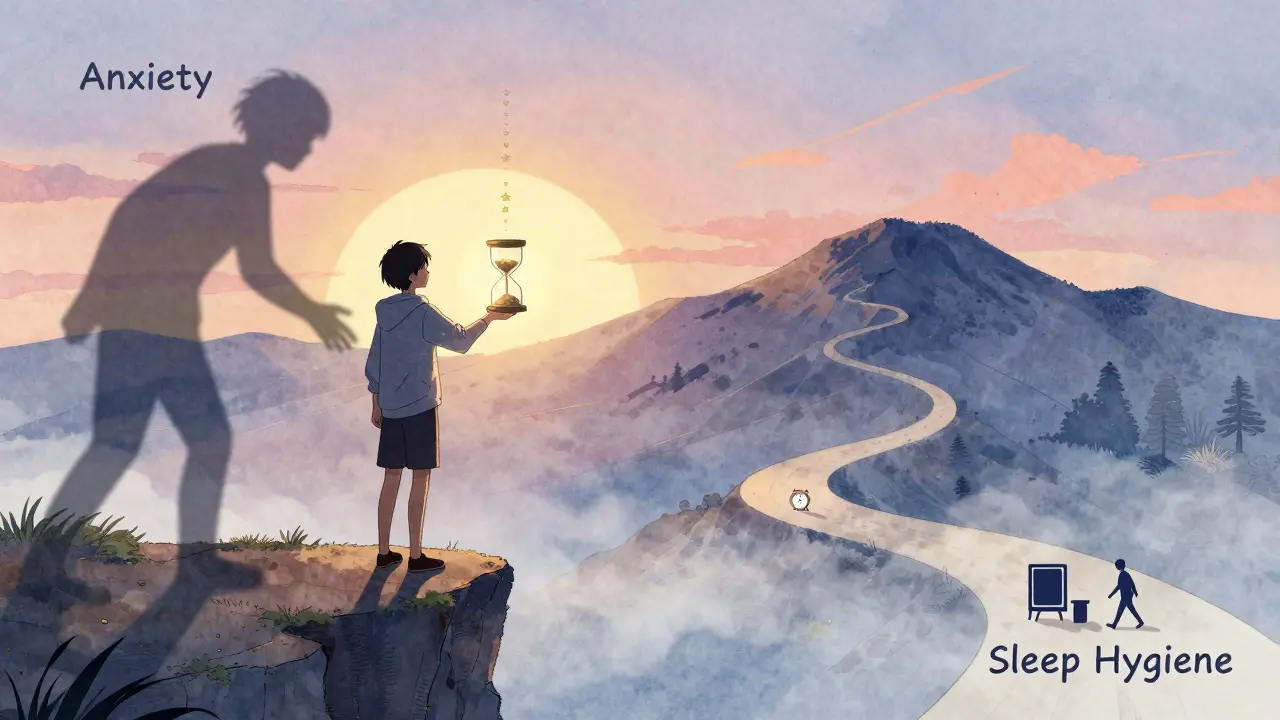
When Sleep Hygiene Isn’t Enough
If you’ve tried all this for 6 weeks and still wake up exhausted, have trouble falling asleep most nights, or feel like you’re constantly on edge-sleep hygiene alone won’t fix it.
That’s not your fault. It means you might be dealing with clinical insomnia, anxiety, sleep apnea, or another underlying issue. Sleep hygiene is the foundation, not the whole house.
Don’t wait until you’re burning out. Talk to a doctor. Ask about cognitive behavioral therapy for insomnia (CBT-I). It’s the gold standard. It’s not talk therapy. It’s structured, evidence-based, and often covered by insurance. Many online programs now offer it in 4-6 weekly sessions.
And skip the sleep aids. Melatonin? Fine for jet lag. ZzzQuil? It’s an antihistamine-it makes you drowsy, not rested. Prescription pills like Ambien? They work for a few weeks, then your body adapts. And you risk dependence.
Sleep hygiene is your long-term solution. Everything else is a Band-Aid.
Real People, Real Results
On Reddit, a university student named u/NightOwlPhD wrote: “I used to sleep 5 hours a night, wake up at 2 a.m., and panic. I started waking up at 6:30 a.m. every day-even on weekends. In three weeks, I was falling asleep in 25 minutes instead of 90. I didn’t change my diet. I didn’t buy a new pillow. I just stopped letting my body think weekends were vacation days.”
A nurse in Toronto shared: “I used to take melatonin every night. Then I started walking for 20 minutes after dinner and stopped checking my phone after 9 p.m. Within a month, I stopped needing the supplement. I feel like I’m 10 years younger.”
These aren’t miracles. They’re simple, repeatable changes. No magic. No hype.
What to Do Next
Here’s your 7-day starter plan:
- Set your wake-up time. Write it down. Stick to it, even Saturday and Sunday.
- Turn off all screens 60 minutes before bed. Use a regular alarm clock.
- Keep your bedroom cool and dark. Test it with your phone’s light meter app-aim for under 5 lux.
- Stop caffeine after noon. Try herbal tea instead.
- If you can’t sleep after 20 minutes, get up. Read something dull until you feel sleepy.
- Write down one thing you’re grateful for before bed. It calms the mind.
- Repeat. Don’t check progress daily. Wait two weeks.
You don’t need to do all of this perfectly. Just start with one thing. Maybe it’s waking up at the same time. Maybe it’s leaving your phone in the kitchen. Do that for a week. Then add the next.
Sleep isn’t something you force. It’s something you invite in-by giving your body and mind the right conditions, day after day.
Can I still use my phone at night if I turn on night mode?
Night mode reduces blue light, but it doesn’t stop your brain from being stimulated. Scrolling through social media, checking emails, or watching videos keeps your mind active-even if the screen is dimmer. The real issue isn’t the light-it’s the mental engagement. If you want better sleep, put your phone away at least an hour before bed. Use that time to read, stretch, or just sit quietly.
Is it true that I shouldn’t nap during the day?
Not always. Short naps (20-30 minutes) before 3 p.m. can help if you’re truly sleep-deprived. But if you’re napping for over an hour, or napping after 4 p.m., it can make it harder to fall asleep at night. If you’re struggling with insomnia, try skipping naps for two weeks. You might be surprised how much it improves your nighttime sleep.
Does alcohol help me sleep better?
It might make you fall asleep faster, but it ruins your sleep quality. Alcohol blocks REM sleep-the stage where your brain processes emotions and memories. You’ll wake up more often, feel groggy, and have worse dreams. Even one drink close to bedtime can reduce deep sleep by up to 20%. For better sleep, avoid alcohol within 3 hours of bedtime.
How long does it take for sleep hygiene to work?
Most people start noticing changes after 14-21 days of consistent practice. It’s not instant. Your body needs time to reset its internal clock. Don’t give up if you don’t feel better after a few days. Stick with the basics-consistent wake time, no screens before bed, cool dark room-and you’ll see improvement over time.
I work night shifts. Can sleep hygiene still help me?
Yes-but it looks different. Your goal is to create a consistent sleep schedule that matches your work hours. Use blackout curtains, wear sunglasses on your commute home to block morning light, and keep your sleep environment quiet and cool. Avoid caffeine during your shift and try to sleep at the same time every day-even on days off. It’s harder, but still possible with structure.
Should I use a sleep tracker or app?
They can help you spot patterns over weeks, but they’re not necessary. Many people get anxious盯着 their sleep scores, which makes sleep worse. If you use one, focus on trends-not nightly numbers. A simple sleep diary (writing down bedtime, wake time, and how you felt) works just as well and costs nothing.
What if I’ve tried everything and still can’t sleep?
If you’ve followed sleep hygiene for 6 weeks and still feel tired, anxious, or restless at night, it’s time to talk to a doctor. You might have sleep apnea, restless legs, anxiety, or another condition that needs medical attention. Don’t rely on supplements or OTC pills. Cognitive behavioral therapy for insomnia (CBT-I) is proven, effective, and often covered by insurance. It’s not a quick fix-but it’s the only treatment that lasts.
Rachel Liew
January 31, 2026 AT 13:57i just started waking up at the same time every day like the post said and holy crap it actually worked. i used to sleep till noon on weekends and feel like a zombie on monday. now i just set my alarm and leave my phone in the kitchen. no more scrolling. my brain finally feels like it’s not stuck in molasses.
Nicki Aries
February 1, 2026 AT 09:30THIS. THIS. THIS. I’ve been telling people for years: sleep isn’t about how many hours you log-it’s about rhythm. Your body isn’t a smartphone you can reboot. It’s a biological orchestra, and if you keep changing the tempo every weekend, it’s going to play a dissonant, exhausting symphony. No magic pills. No expensive gadgets. Just consistency. And yes, your phone belongs outside the bedroom. Period.
franklin hillary
February 2, 2026 AT 13:22the real secret is stopping the obsession with sleep. you want to sleep better? stop trying to sleep. go read a boring book in another room. let your brain unlearn that bed = stress. the more you chase it the more it runs. sleep is the quiet guest who only shows up when you stop yelling for it. also cold room. 65 degrees. trust me. your body knows what to do. you just have to shut up and let it.
Jaden Green
February 4, 2026 AT 04:26How quaint. Another wellness influencer’s checklist disguised as science. The notion that ‘sleep hygiene’ is some universal fix ignores the fact that circadian biology varies wildly across individuals-especially those with genetic polymorphisms in PER3 or CLOCK genes. And let’s not pretend that ‘avoid caffeine after noon’ applies to everyone; some metabolize it in 2 hours, others still have 40% circulating at midnight. Also, white noise? That’s just auditory masking for people who can’t afford soundproofing. The real issue is societal pressure to conform to a 9-to-5 rhythm that doesn’t align with chronotype diversity. This post is reductionist at best, dangerous at worst.
Donna Macaranas
February 5, 2026 AT 12:54i tried the 20-minute rule last week and honestly? it felt weird at first. but then i started reading that old cookbook i never use and somehow i didn’t care if i fell asleep or not. and then i did. without even trying. weird how that works. also, no more phone in bed. i miss it but my sleep is way better. small changes, big results.
Chris & Kara Cutler
February 6, 2026 AT 23:59just started the 7-day plan. woke up at 6:30 today. no snooze. no panic. just… quiet. 🌿✨
Sami Sahil
February 8, 2026 AT 14:01bro i work night shift and this actually helped me. i use blackout curtains and wear sunglasses on the way home. i sleep at 9am every day. no more naps after 3pm. i thought i was broken but turns out i just needed structure. thanks for this. i feel human again.
Bob Cohen
February 9, 2026 AT 05:02so we’re supposed to believe that a digital clock and avoiding caffeine after noon are the keys to human sleep? Meanwhile, the entire modern world is bathed in artificial light, stressed out by algorithms, and medicated into oblivion. You’re treating symptoms like they’re the disease. This is like telling someone with a broken leg to just walk slower.
Ishmael brown
February 10, 2026 AT 18:58sleep hygiene? sure. but have you considered the 5G towers? or the fluoride in the water? or the fact that your alarm clock emits EMF that disrupts melatonin? I’ve been using a wind-up alarm since 2018. No screens. No apps. No lies. I sleep 7 hours. No supplements. No ‘hygiene.’ Just purity. You’re being sold a fantasy.
Angel Fitzpatrick
February 11, 2026 AT 15:02they don’t want you to know this, but sleep hygiene is a corporate distraction tactic. The real reason you can’t sleep? Your cortisol is spiked from chronic low-grade fear induced by algorithmic content. The mattress companies, the sleep app developers, the pharmaceutical giants-they all profit when you believe the problem is your bedtime routine. They don’t want you to know the truth: you’re being manipulated into exhaustion so you’ll consume more, buy more, and stay docile. Turn off your phone? Sure. But also burn your credit card. Unsubscribe from everything. Reclaim your nervous system. This isn’t about sleep. It’s about liberation.