Insomnia Treatment: Effective Solutions and What Actually Works
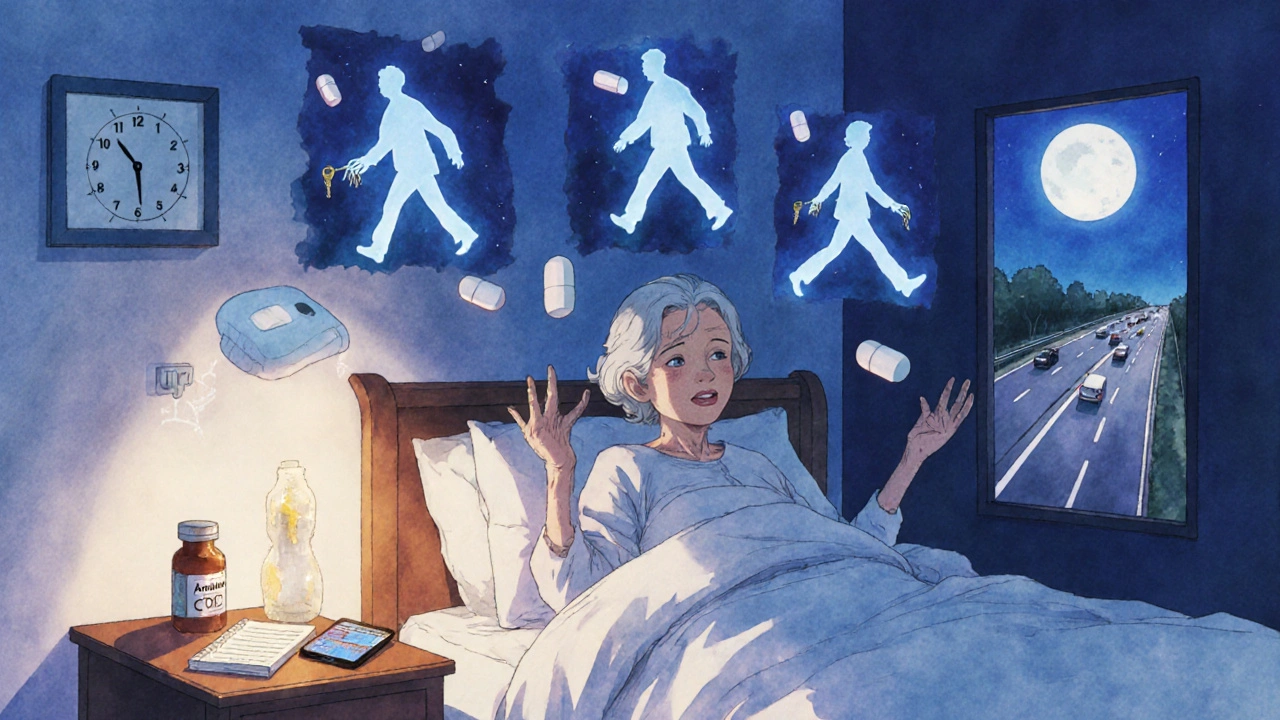
When you can’t sleep, it’s not just frustrating—it messes with your mood, focus, and health. Insomnia treatment, the process of addressing persistent trouble falling or staying asleep. Also known as chronic sleep disruption, it affects nearly one in three adults and isn’t just about lying awake at night—it’s about how it drains your days. Unlike occasional bad nights, true insomnia lasts for weeks or months and doesn’t go away on its own. Many people reach for sleep aids right away, but the most effective treatments often start with changing how you think about sleep, not just what you take.
Cognitive behavioral therapy for insomnia, a structured program that helps you identify and replace thoughts and behaviors that cause or worsen sleep problems. It’s not talk therapy—it’s a practical toolkit: limiting time in bed to match actual sleep, avoiding screens before bed, and learning to quiet racing thoughts. Studies show it works better than pills for long-term results, and it’s the first-line recommendation from sleep experts. Meanwhile, sleep aids, medications designed to help people fall or stay asleep. range from prescription drugs like zolpidem to over-the-counter options like diphenhydramine. But many of these come with side effects—dizziness, next-day grogginess, even dependency—and they don’t fix the root cause. Even melatonin, often marketed as a natural fix, only helps a small group of people, mostly those with delayed sleep timing.
What’s missing from most advice? The connection between insomnia and other conditions. People with chronic pain, anxiety, or even diabetes often struggle with sleep—not because they’re stressed, but because their body chemistry is off. Medications like SSRIs for depression can worsen insomnia. SGLT-2 inhibitors for diabetes have been linked to nighttime urination that interrupts sleep. And if you’re using opioids for pain, the very drug helping your back might be wrecking your REM cycle. That’s why successful insomnia treatment isn’t one-size-fits-all. It requires looking at your full health picture, not just your bedtime routine.
You’ll find real stories here—not theories. How a teacher stopped relying on sleeping pills after learning positional therapy for sleep apnea. Why a retiree’s insomnia cleared up after switching his generic blood pressure med. What happened when someone finally tested for a true penicillin allergy and realized their anxiety wasn’t the cause of their sleeplessness. These aren’t isolated cases. They’re patterns. The posts below give you the tools to spot what’s really behind your sleep trouble, whether it’s a medication side effect, an undiagnosed condition, or a simple habit that’s been holding you back. No fluff. No hype. Just what works, what doesn’t, and what to ask your doctor next.