Sleep Medications: What Works, What to Avoid, and How to Use Them Safely
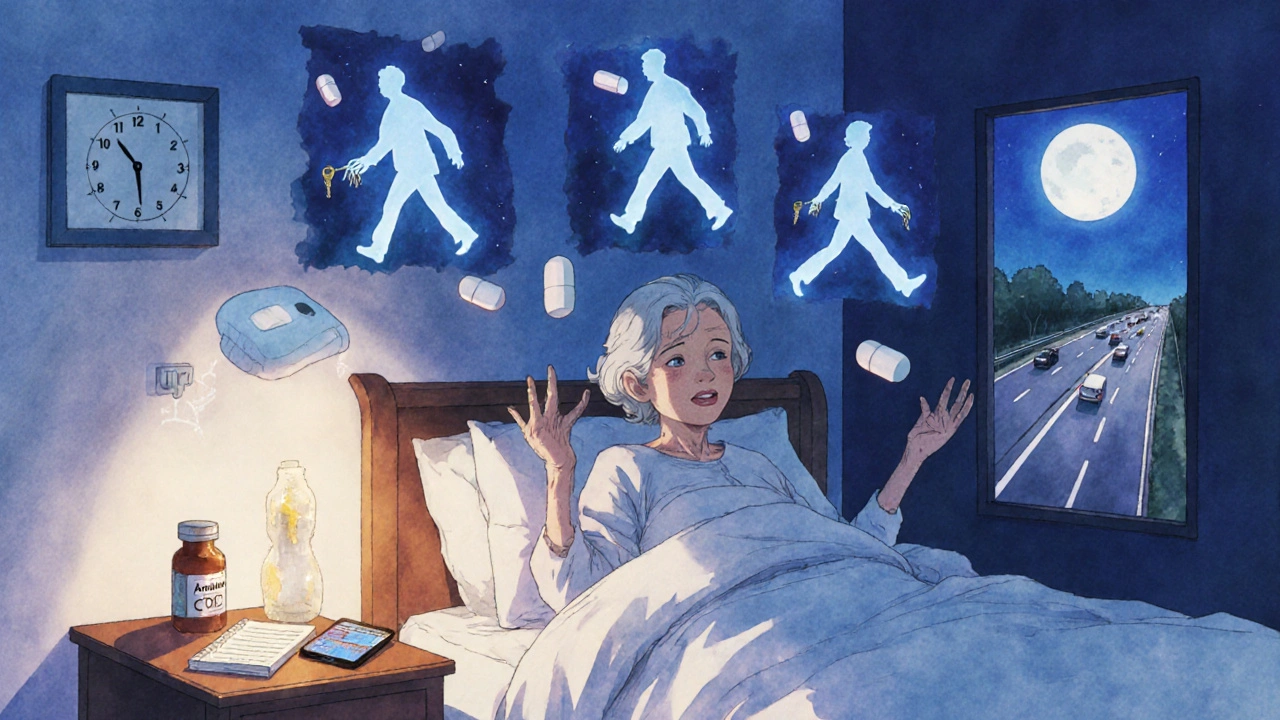
When you can’t sleep, sleep medications, prescription or over-the-counter drugs used to treat insomnia and other sleep disorders. Also known as hypnotics, they’re meant to help you fall asleep or stay asleep—but they’re not a long-term fix for poor sleep habits. Many people reach for them after a few bad nights, but using them without understanding the risks can make things worse. Some sleep meds cause next-day drowsiness, memory issues, or even dependency. Others don’t work the way people think they do.
Not all sleep problems need a pill. For example, positional therapy, changing how you sleep to reduce breathing issues like sleep apnea can cut apnea events in half—without any drug. And if your trouble sleeping is tied to depression, antidepressants like trazodone, sometimes prescribed off-label for sleep due to their sedating effect might be more appropriate than a traditional sleep aid. But even then, it’s not a one-size-fits-all solution. What helps one person might leave another feeling foggy or unwell.
Side effects are the biggest reason people stop taking sleep meds—not because they don’t work, but because they feel worse the next day. Some people think melatonin or valerian root is harmless, but even natural supplements can interfere with other meds or make certain conditions worse. And if you’re taking something for pain, anxiety, or heart issues, your sleep med might interact with it in ways you don’t expect. That’s why checking with a pharmacist or doctor matters more than googling the best pill.
There’s also a lot of confusion about generics. A generic sleep medication, a copy of a brand-name drug that contains the same active ingredient might look identical, but the fillers and coatings can be different. For someone with allergies or sensitive digestion, that small change can mean trouble. It’s not just about the drug—it’s about the whole package.
And let’s be honest: many people use sleep meds because they’re tired of trying to fix their sleep on their own. But the real solution often lies in routines, light exposure, and stress management—not a pill. Still, when used right and for the right reason, sleep medications can be a helpful tool. The key is knowing when to use them, how long to use them, and what to watch for.
The articles below cover exactly that: real stories, real science, and real advice on what sleep meds can and can’t do. You’ll find comparisons between common drugs, warnings about hidden risks, and practical tips for using them without losing control of your sleep—or your health. Whether you’re trying one for the first time or have been on them for years, there’s something here that could change how you think about sleep—and what you do about it.