Z-drugs: What They Are, How They Work, and What You Need to Know
When you can’t sleep, Z-drugs, a class of prescription sleep medications designed to help with short-term insomnia. Also known as non-benzodiazepine hypnotics, they include drugs like zolpidem, eszopiclone, and zaleplon—commonly sold under names like Ambien, Lunesta, and Sonata. These aren’t your grandparent’s sleeping pills, but they’re often prescribed for the same problem: trouble falling or staying asleep. Unlike older benzodiazepines, Z-drugs were developed to target specific brain receptors, aiming for fewer side effects and less risk of dependency. But here’s the catch: they’re not as safe as they seem, especially when used long-term.
Many people assume Z-drugs are harmless because they’re widely prescribed and marketed as "non-addictive." But studies show that even short-term use can lead to dependence, memory issues, and next-day drowsiness that increases fall risk—especially in older adults. They also don’t fix the root cause of insomnia, like stress, poor sleep habits, or untreated sleep apnea. Instead, they mask it. That’s why doctors now recommend cognitive behavioral therapy for insomnia (CBT-I) as the first-line treatment. Z-drugs? They’re meant for occasional use, not nightly routines.
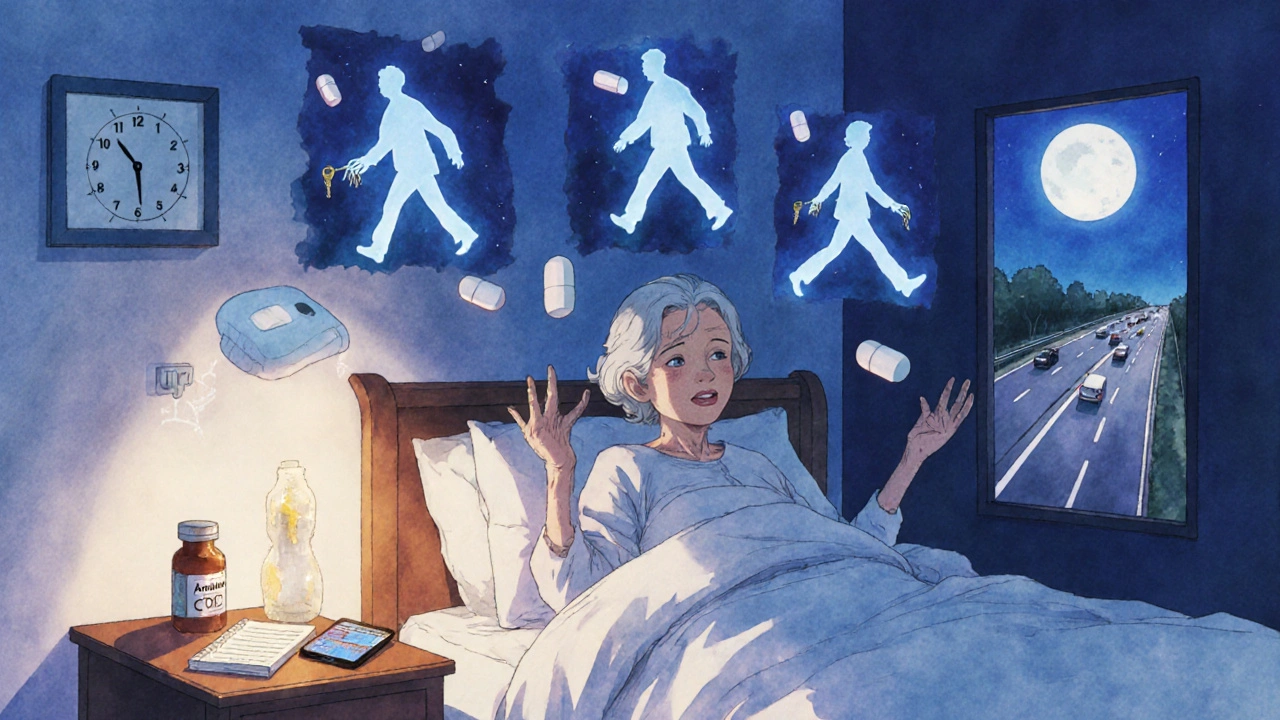
These medications also interact dangerously with other drugs. Mixing Z-drugs with alcohol, opioids, or even some antidepressants can slow your breathing to dangerous levels. And if you’ve ever woken up after taking one and found yourself making a sandwich, driving, or texting without remembering it—you’re not alone. Sleepwalking and other complex behaviors are real, documented side effects. The FDA has issued warnings about this, yet many patients still don’t know the risks.
What’s surprising is how many people switch to Z-drugs because they think they’re safer than benzodiazepines. But the truth is, they’re often just a different route to the same problem: tolerance, withdrawal, and rebound insomnia. When you stop taking them, your sleep can get worse than before you started. That’s why tapering off under medical supervision matters more than most realize.
There are better ways to manage sleep issues. Some people find relief with melatonin, magnesium, or strict sleep hygiene. Others benefit from light therapy, white noise machines, or even simple changes like avoiding screens before bed. If you’re on a Z-drug and wondering if you should stay on it, ask your doctor about alternatives—not just other pills, but real, lasting solutions.
Below, you’ll find real-world guides on how these drugs affect different people, what to watch for when switching or stopping them, and how to avoid common traps. Whether you’re taking one now, considering it, or just trying to understand why your doctor recommended it, these posts give you the facts—not the marketing.