Biologics: What They Are, How They Work, and Why They Matter
When doctors talk about biologics, complex medicines made from living organisms like cells or proteins, not synthesized chemicals. Also known as biologic drugs, they are engineered to target specific parts of the immune system—unlike traditional pills that affect the whole body. These aren’t your grandma’s antibiotics or painkillers. They’re precision tools, designed to stop inflammation at its source in conditions like rheumatoid arthritis, Crohn’s disease, and severe psoriasis.
Biologics work by blocking specific proteins—like TNF-alpha or IL-17—that trigger immune overreactions. This is why they’re called targeted therapy, treatments that focus on specific molecules involved in disease. For someone with uncontrolled arthritis, a biologic can mean the difference between daily pain and walking without help. But they’re not magic. They’re injected or infused, often weekly or monthly, and require careful monitoring because they suppress parts of your immune system. That’s why they’re not first-line treatments—you try other meds first.
They’re also expensive, and not all insurance covers them easily. Some people respond beautifully; others don’t notice much change. That’s why doctors often switch between different biologics to find the right fit. And while they’re mostly used for autoimmune diseases, they’re also making headway in cancer treatment, asthma, and even rare genetic disorders. The field is growing fast, with new versions coming out every year—some easier to use, others cheaper, some with fewer side effects.
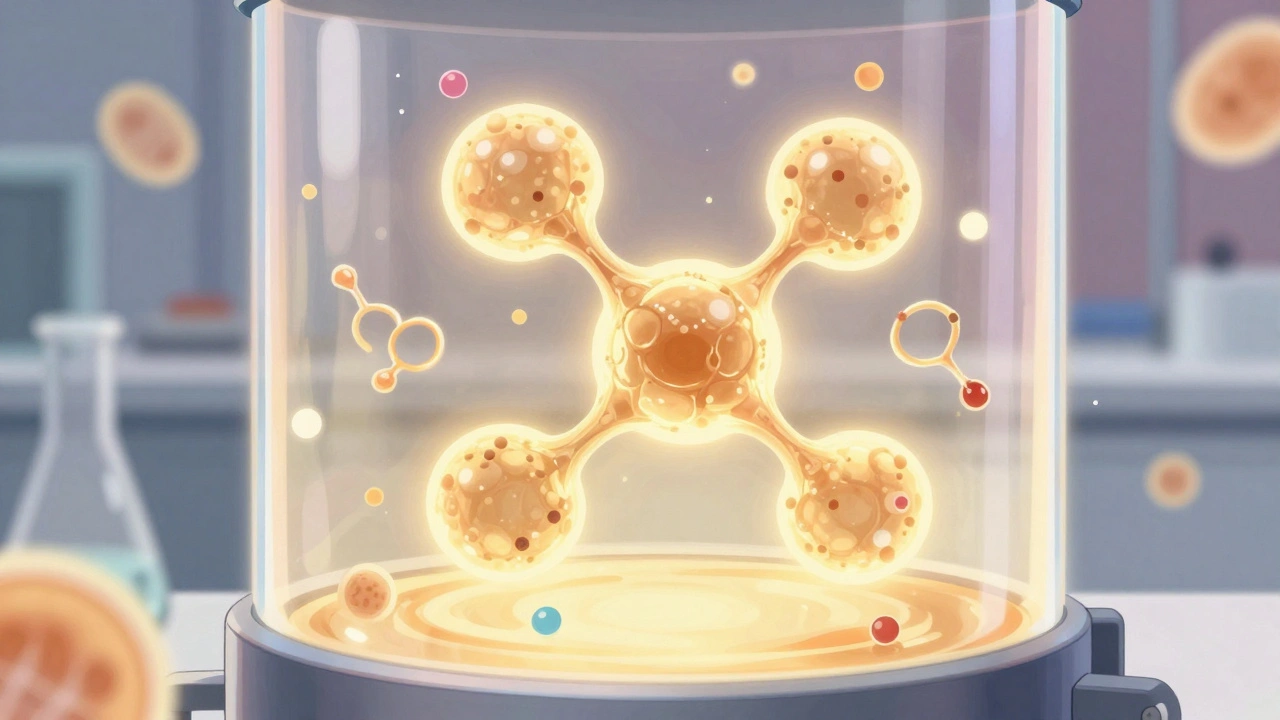
Behind every biologic is a complex process called biologic manufacturing, the highly controlled production of drugs using living cells in bioreactors. It’s not like mixing pills in a lab. These drugs are made in giant vats of living cells—sometimes yeast, sometimes hamster ovary cells—that are genetically tweaked to produce human proteins. Even tiny changes in temperature or pH during production can alter the final product. That’s why biosimilars (copycat versions) take years to approve and aren’t exact duplicates.
You’ll find biologics in hospital pharmacies, specialty clinics, and even home infusion centers. But they’re not just for adults. Kids with juvenile arthritis or severe eczema are getting them too. And while they’ve changed lives, they’ve also raised questions: Who gets access? Why do some people lose response over time? What happens when they stop working?
The posts below dig into real-world issues tied to biologics—from how they interact with other meds, to why some patients stop taking them, to the hidden risks that don’t show up in clinical trials. You’ll see how they connect to drug shortages, side effect management, and even how patients track their own responses. These aren’t theoretical discussions. They’re stories from people living with chronic illness, pharmacists managing supply chains, and doctors trying to balance effectiveness with safety.