Drug Supply Chain: How Medications Get to You and What Can Go Wrong
When you pick up a prescription, you’re holding the end result of a complex drug supply chain, the network of manufacturers, distributors, wholesalers, and pharmacies that move medications from production to patients. Also known as the pharmaceutical distribution system, it’s designed to be reliable—but it’s also full of hidden risks that can leave you without your medicine when you need it most.
Behind every pill, injection, or inhaler is a chain that starts with raw ingredients, passes through tightly regulated factories, gets shipped across continents, and ends at your local pharmacy. Along the way, generic medications, lower-cost versions of brand-name drugs that must meet the same safety standards make up most of what’s on shelves. But even generics can have problems: different inactive ingredients, batch variations, or delays in production can affect availability. And when a single factory in India or China shuts down for inspection, it can cause nationwide drug shortages, times when essential medicines aren’t available in sufficient quantities—affecting everything from insulin to antibiotics to heart meds.
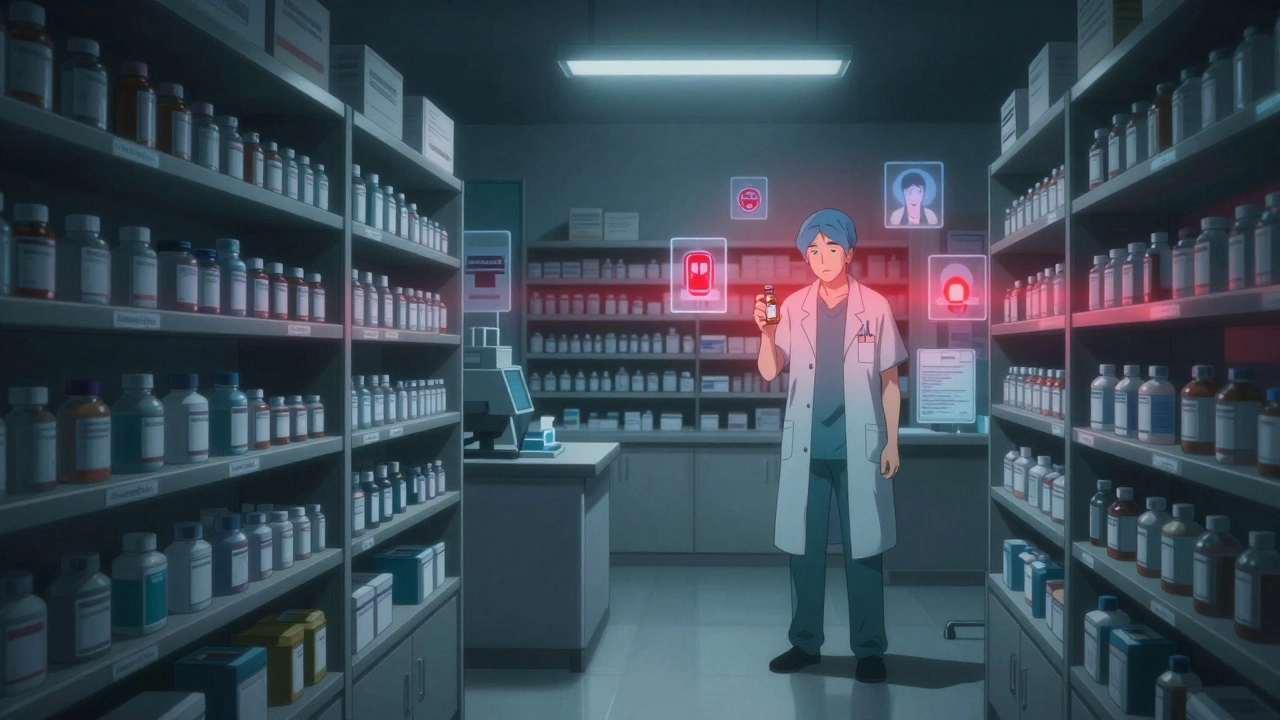
The system doesn’t just move pills—it also moves risk. A mislabeled vial, a counterfeit supplier, or a pharmacy that skips proper storage can lead to dangerous mistakes. That’s why checking your prescription label, understanding lot numbers on biologics, and knowing how hospitals control which drugs they stock (through institutional formularies, lists of approved drugs that hospitals use to manage cost and safety) matters. These aren’t just bureaucratic steps—they’re your last line of defense.
What you’ll find below are real stories from the front lines of this system: how a diabetic patient nearly missed their SGLT-2 inhibitor because of a supply delay, why a child’s asthma inhaler had a different filler that triggered a reaction, and how a hospital’s formulary decision forced a switch from metoprolol to atenolol. These aren’t theoretical issues—they’re happening to people right now. Whether you’re a patient, caregiver, or just someone who takes meds regularly, understanding how your drugs get to you helps you spot problems early—and speak up before something goes wrong.