FDA Biologics: What They Are, How They're Regulated, and What You Need to Know
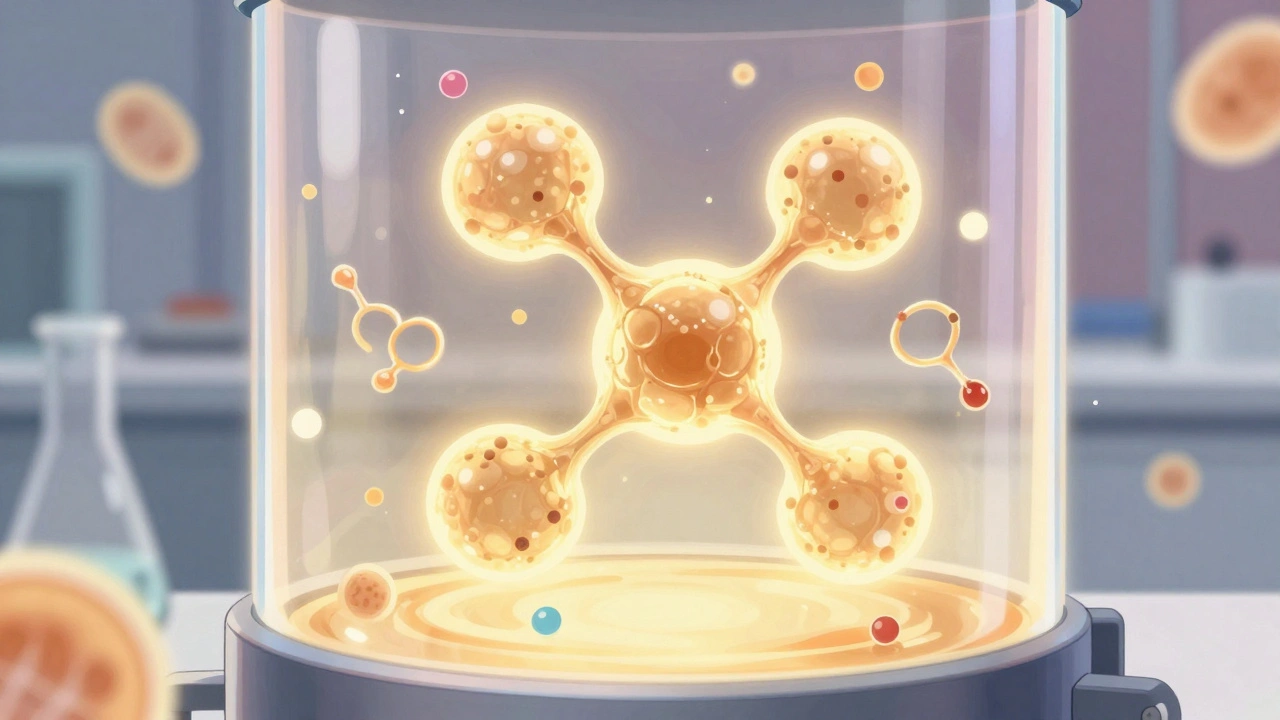
When you hear FDA biologics, complex medicines derived from living organisms, including vaccines, blood components, and gene therapies, that require specialized manufacturing and strict regulatory oversight. Also known as biologic drugs, they are not made in labs like traditional pills—they’re grown in cells, cultured in bioreactors, and purified with extreme precision. This makes them powerful, but also far more complicated to produce and regulate than chemical drugs. The FDA doesn’t treat them like your average aspirin. Every batch must be tested for consistency, safety, and potency because even tiny changes in the production process can alter how they work in your body.
That’s why biosimilars, biologic drugs that are highly similar to an already-approved reference product but not identical due to their complex nature face a much tougher approval path than generic pills. While a generic version of ibuprofen is chemically identical to the brand name, a biosimilar to a cancer biologic might have minor structural differences. The FDA requires extensive clinical testing to prove it works the same way and doesn’t cause unexpected side effects. This is why biosimilars cost less than the original biologic—but still more than regular generics.
And it’s not just about the drug itself. biologic manufacturing, the intricate, highly controlled process of producing biologics using living cells, cell lines, or tissues, often requiring sterile environments and real-time quality monitoring is one of the most sensitive parts of modern medicine. A single contaminated batch can shut down production for months. That’s why hospital pharmacies, like those dealing with injectable shortages, are often on the front lines when these drugs are in short supply. You might not see it, but the stability, storage, and handling of biologics—many of which need refrigeration or special transport—directly impacts whether you get your treatment on time.
These aren’t just science lab curiosities. FDA biologics are behind breakthroughs in treating cancer, autoimmune diseases like rheumatoid arthritis, and even rare genetic disorders. Some are injected weekly. Others are given as one-time gene therapies. And because they’re so targeted, they can have fewer side effects than older drugs—when they work. But they also come with unique risks: immune reactions, unpredictable long-term effects, and high costs that make access a challenge.
What you’ll find below is a collection of real-world stories and practical guides tied to this world. From how biologics interact with chronic conditions like kidney disease and diabetes, to how patients check their prescriptions to avoid mix-ups, to how hospitals manage drug substitutions and inventory—every post connects back to the reality of using these powerful medicines. Whether you’re a patient, caregiver, or healthcare worker, understanding FDA biologics isn’t just about knowing what they are—it’s about knowing how to use them safely, when they’re available, and what alternatives exist when they’re not.