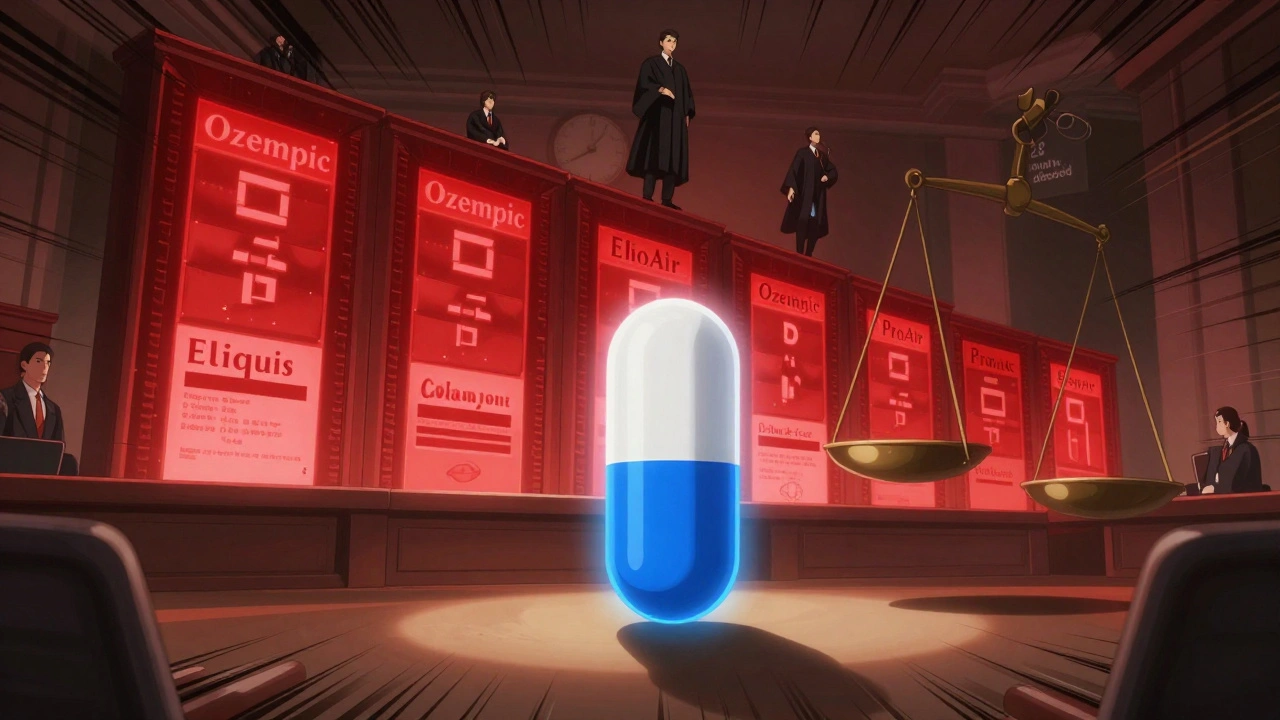
Hatch-Waxman Act: How It Shapes Generic Drugs and Drug Access
When you pick up a generic pill at the pharmacy, you’re seeing the direct result of the Hatch-Waxman Act, a 1984 U.S. law that created a legal pathway for generic drugs to enter the market without repeating expensive clinical trials. Also known as the Drug Price Competition and Patent Term Restoration Act, it’s the reason your insulin, blood pressure med, or antibiotic costs a fraction of what it did 30 years ago.
This law didn’t just make drugs cheaper—it fixed a broken system. Before 1984, brand-name companies could extend their monopoly by filing new patents on tiny changes to a drug, while generic makers had no clear way to prove their versions were just as safe and effective. The Hatch-Waxman Act let generic manufacturers file an Abbreviated New Drug Application (ANDA) with the FDA, using the brand drug’s safety data instead of starting from scratch. That cut approval time from years to months. But it also gave brand-name companies up to five extra years of market exclusivity to make up for time lost during FDA review. This balance—between protecting innovation and enabling competition—is why you now have dozens of generic options for most common meds.
The Act also changed how patents work in pharma. It created something called a "patent challenge"—where a generic maker can say a patent is invalid or not being infringed. If they win, they get 180 days of exclusive rights to sell the first generic version. That’s why you sometimes see two generic brands hit the market at the same time. It’s also why some drug prices drop overnight when a patent expires. But it’s not perfect. Some companies game the system with "evergreening"—making minor tweaks to reset the clock. And not all drugs get generics fast. Biologics, complex drugs made from living cells, weren’t covered by the original law, which is why biosimilars came later under a different rule.
What does this mean for you? If you’ve ever been told your brand-name drug is too expensive and asked for the generic, you’re benefiting from the Hatch-Waxman Act. It’s behind the lower co-pays, the pharmacy substitutions your doctor approves, and the fact that you can refill your meds without breaking the bank. But it’s also why some new drugs take years to have affordable alternatives. The law didn’t solve all problems—it just made the system work better for most people.
Below, you’ll find real-world examples of how this law affects drug safety, availability, and cost—from how hospitals choose which meds to stock, to why some generics have different fillers that cause reactions, to why certain injectables are still in short supply despite generic competition. These aren’t abstract policies. They’re the reason your medicine is on the shelf—or why it isn’t.