
How to Confirm Your Name and Medication on a Prescription Label
Learn how to check your name and medication on a prescription label to avoid dangerous errors. A simple 30-second step can prevent mix-ups, wrong doses, and life-threatening mistakes.
When you see your name on prescription, the full legal name printed on a medication label to ensure the right person gets the right drug. Also known as patient identifier on script, it’s the first line of defense against dangerous mix-ups. This isn’t just paperwork—it’s a life-saving step that connects your identity to the medicine you’re supposed to take. Get it wrong, and you could end up with someone else’s drug, the wrong dose, or a medication that clashes with your allergies.
The pharmacy verification, the process pharmacists use to confirm the patient name matches the prescription and medical record isn’t optional. It’s required by law in most places. Pharmacists check your name against your profile, your date of birth, and sometimes even your address. If your name is misspelled, abbreviated, or missing middle initials, that’s a red flag. One study from the Journal of Patient Safety found that nearly 1 in 5 medication errors started with a mismatched name on a prescription. These aren’t rare mistakes—they happen daily in clinics, hospitals, and community pharmacies.
It’s not just about spelling. Your prescription drug labeling, the printed information on medication packaging that includes patient name, drug name, dosage, and instructions must match exactly what’s in your medical file. If your chart says "Jennifer A. Smith" but your prescription says "Jenny Smith," the pharmacy might still fill it—but they shouldn’t. That small difference is enough to trigger a hold. And if you’re on multiple medications, a mismatched name could mean you get the wrong one entirely. Think about it: if your neighbor takes a blood thinner and you take a diabetes pill, and your names are even slightly off, that’s a recipe for disaster.
Doctors and nurses don’t always get it right either. Handwritten scripts, rushed electronic entries, or copy-paste errors in EHR systems can all lead to a wrong name on the prescription. That’s why you should always double-check your name when you pick up your meds. Don’t assume it’s correct. Look at the label. Compare it to your ID. If something feels off, speak up. Pharmacies are required to answer your questions. And if you’re picking up meds for a child, an elderly parent, or someone who can’t speak for themselves, this step becomes even more critical. The prescription errors, mistakes in patient identification that lead to incorrect medication dispensing that follow a wrong name aren’t just inconvenient—they can be deadly.
And it’s not just about the name itself. The way it’s written matters too. Is it your legal name? Your preferred name? Your insurance name? If you’ve changed your name due to marriage, divorce, or gender transition, make sure your provider updates your records. Outdated names cause delays, refills to be denied, and insurance claims to fail. You might even get flagged as non-compliant when you’re not. Keep your name consistent across your insurance card, your provider’s portal, and your prescription labels. One version. One spelling. One system.
When you see your name on a prescription, don’t just glance at it. Read it. Say it out loud. Confirm it’s yours. That simple habit has prevented countless errors. And if you’re managing medications for someone else—whether it’s a parent, a child, or a roommate—make sure you’re the one verifying the name every single time. Because when it comes to your health, there’s no such thing as too careful. Below, you’ll find real-world guides on how to catch these mistakes, how pharmacies handle them, and what to do when things go wrong.
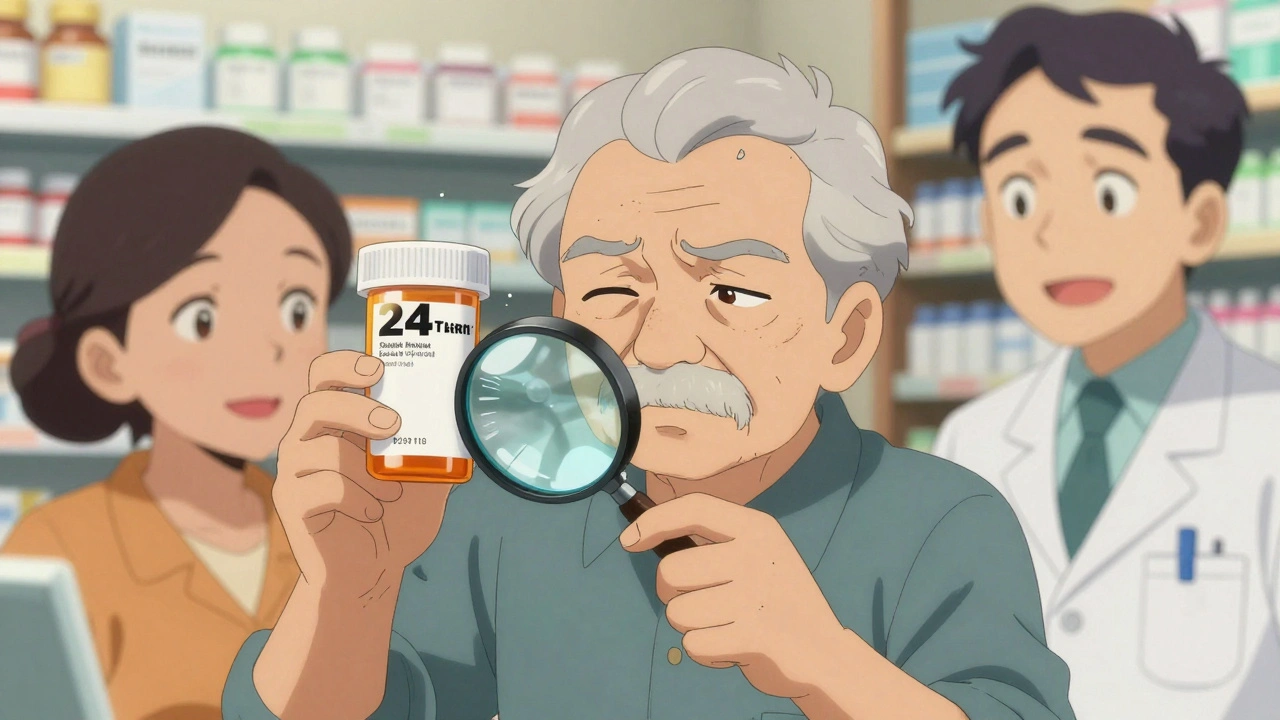
Learn how to check your name and medication on a prescription label to avoid dangerous errors. A simple 30-second step can prevent mix-ups, wrong doses, and life-threatening mistakes.