
How to Store High-Risk Medications to Reduce Overdose Risk
Learn how to safely store high-risk medications like opioids and benzodiazepines to prevent accidental overdoses in children and others. Simple, science-backed steps can save lives.
When you or a loved one is prescribed opioids, powerful pain relievers like oxycodone, hydrocodone, or morphine used for moderate to severe pain. Also known as narcotics, these drugs can be life-changing for chronic pain—but dangerous if not stored properly. Many people don’t realize that keeping opioids in a medicine cabinet or on a nightstand puts them at risk of being taken by children, teens, or visitors. The CDC reports that over half of people who misuse prescription painkillers get them from friends or family—often from unsecured home medicine supplies.
Proper opioid storage, the practice of keeping opioid medications in a locked, out-of-sight location away from easy access isn’t just smart—it’s essential. It’s not only about preventing theft. Accidental ingestion by toddlers, teens experimenting with pills, or even elderly family members mixing meds can lead to overdose, hospitalization, or death. The same safe medication storage, methods used to protect children from household cleaners or vitamins apply here, but with higher stakes. A locked box, a medicine safe, or even a lockable drawer in a high cabinet can make all the difference. Some pharmacies even offer free lockboxes when you pick up an opioid prescription.
And it’s not just about locking them up. You also need to track how much is left. If you notice pills missing, that’s a red flag. Dispose of unused opioids properly—don’t flush them or toss them in the trash. Many pharmacies and police stations have drug take-back programs. And if you’re caring for an elderly parent or someone with memory issues, consider using a pill dispenser with a lock or a smart dispenser that logs when doses are taken. These aren’t just medical best practices—they’re real-life safeguards.
When you think about opioid safety, the full set of actions that include proper storage, careful dosing, and safe disposal to prevent misuse and overdose, storage is the first line of defense. It’s the step most people overlook until it’s too late. You wouldn’t leave car keys in the ignition. Why leave life-altering medication lying around?
Below, you’ll find real advice from people who’ve dealt with opioid use at home—whether for chronic pain, post-surgery recovery, or managing aging-related discomfort. These posts cover how to talk to teens about stored meds, what to do if a child finds pills, how to choose the right lockbox, and even how to dispose of old prescriptions without harming the environment. This isn’t theoretical. These are the stories and steps that keep families safe.
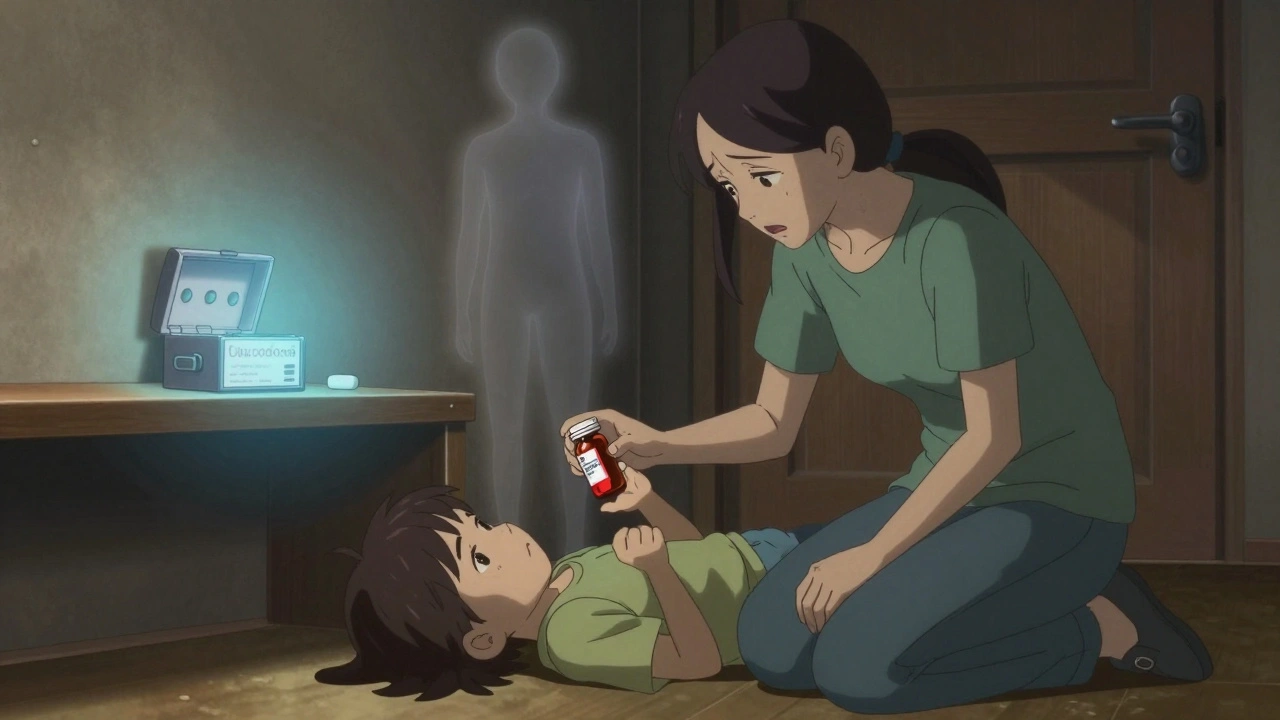
Learn how to safely store high-risk medications like opioids and benzodiazepines to prevent accidental overdoses in children and others. Simple, science-backed steps can save lives.