
How to Confirm Your Name and Medication on a Prescription Label
Learn how to check your name and medication on a prescription label to avoid dangerous errors. A simple 30-second step can prevent mix-ups, wrong doses, and life-threatening mistakes.
When you pick up a prescription, the pharmacy label check, the process of reviewing the information on a medication container to ensure it matches your prescription and is safe for you to take. Also known as medication label verification, it’s not just a formality—it’s your last line of defense against dangerous errors. A wrong dose, a confusing name, or a missed allergy warning can turn a simple pill into a serious risk. You wouldn’t drive a car without checking the brakes. Don’t take a pill without checking the label.
Most people think the pharmacist already did everything right. But mistakes happen—names sound alike (like hydroxyzine, an antihistamine used for anxiety and allergies vs. hydralazine, a blood pressure drug), dosages get misread, or the wrong generic gets filled. Even small differences matter. A generic medication, a lower-cost version of a brand-name drug with the same active ingredient might have different inactive ingredients that trigger allergies or stomach issues. That’s why you need to look at the label yourself—every time. Check the drug name, strength, your name, the prescribing doctor, the directions, and the expiration date. Compare it to your previous refill. If anything looks off, ask. Pharmacies expect it.
Some labels include extra warnings you might miss: "Take on an empty stomach," "Avoid alcohol," or "May cause dizziness." These aren’t suggestions—they’re safety rules. If you’re on multiple meds, cross-check for interactions. For example, if you’re taking SGLT-2 inhibitors, a class of diabetes drugs linked to rare but dangerous infections, the label might not say "watch for genital pain," but you should know to. Same with opioids for seniors, medications that can cause confusion and falls in older adults. The label might list "drowsiness," but it won’t tell you that a 5mg dose could be too much for someone 75. That’s where your own awareness fills the gap.
Labels also change. A drug that was safe last month might now carry a new warning. A generic switch might alter the pill’s appearance. That’s why you shouldn’t rely on memory. Always compare the new bottle to the last one. Keep a simple list of your meds—name, dose, reason, and label notes—on your phone or in your wallet. If you’re ever unsure, call your pharmacist. They’re not just filling orders—they’re trained to catch errors you might miss.
Below, you’ll find real-world guides that show you exactly how to spot problems on labels, understand what’s in your pills, and avoid the hidden risks most people never think to check. Whether you’re managing diabetes meds, checking for penicillin allergies, or making sure your senior parent isn’t on a dangerous combo, these posts give you the tools to take control—before it’s too late.
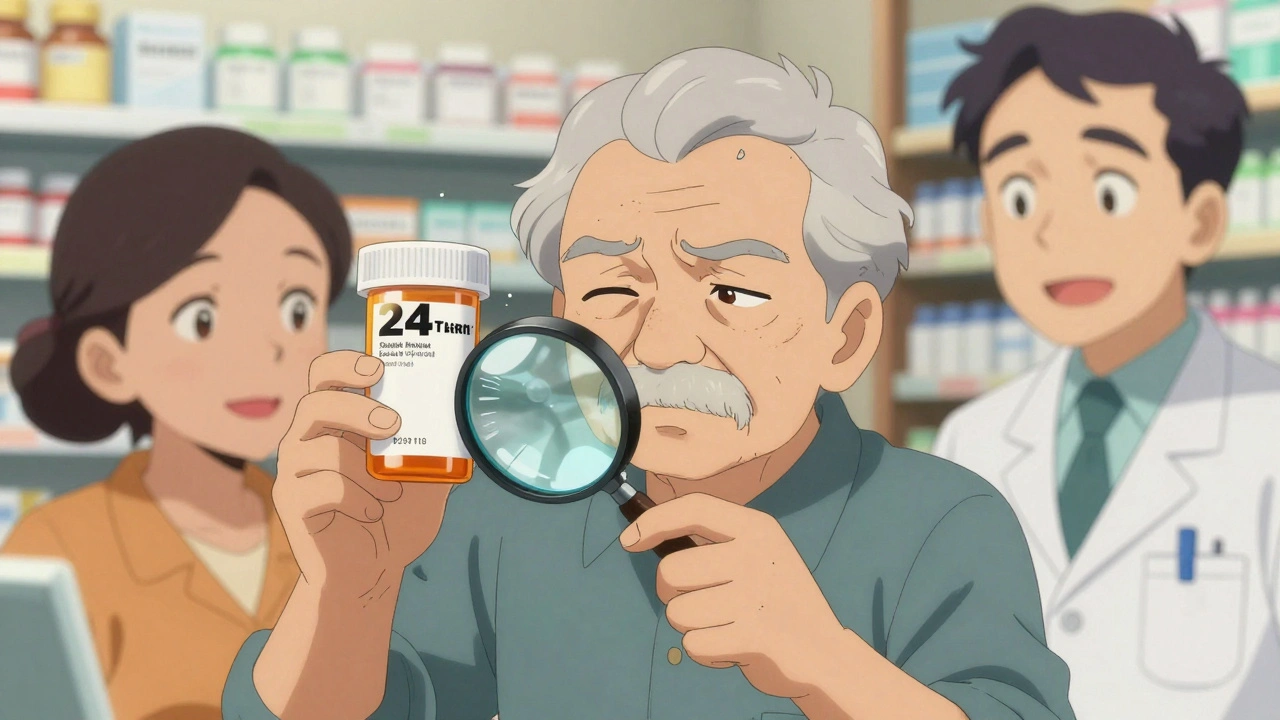
Learn how to check your name and medication on a prescription label to avoid dangerous errors. A simple 30-second step can prevent mix-ups, wrong doses, and life-threatening mistakes.