Prescription Drugs for Disasters: What You Need to Know
When a disaster hits—whether it’s a hurricane, earthquake, or power outage—prescription drugs for disasters, medications essential for managing chronic conditions during emergencies become as critical as water and food. Many people don’t realize that if their power goes out, their insulin might spoil. If the pharmacy closes, their blood pressure pills could be impossible to replace for days. These aren’t hypothetical risks; they’re real, documented problems in every major disaster over the last decade.
It’s not just about having your meds. It’s about knowing which ones are non-negotiable. emergency medications, drugs that prevent life-threatening complications if missed include insulin for diabetics, anticoagulants like warfarin, seizure medications, and heart failure drugs like furosemide. Missing one dose of these can land you in the ER—or worse. Then there’s disaster preparedness, the practice of planning ahead for medical needs during crises. This isn’t just packing a week’s supply. It’s knowing how to store pills in heat or humidity, how to tell if your inhaler still works after being left in a hot car, and what to do if you run out before help arrives.
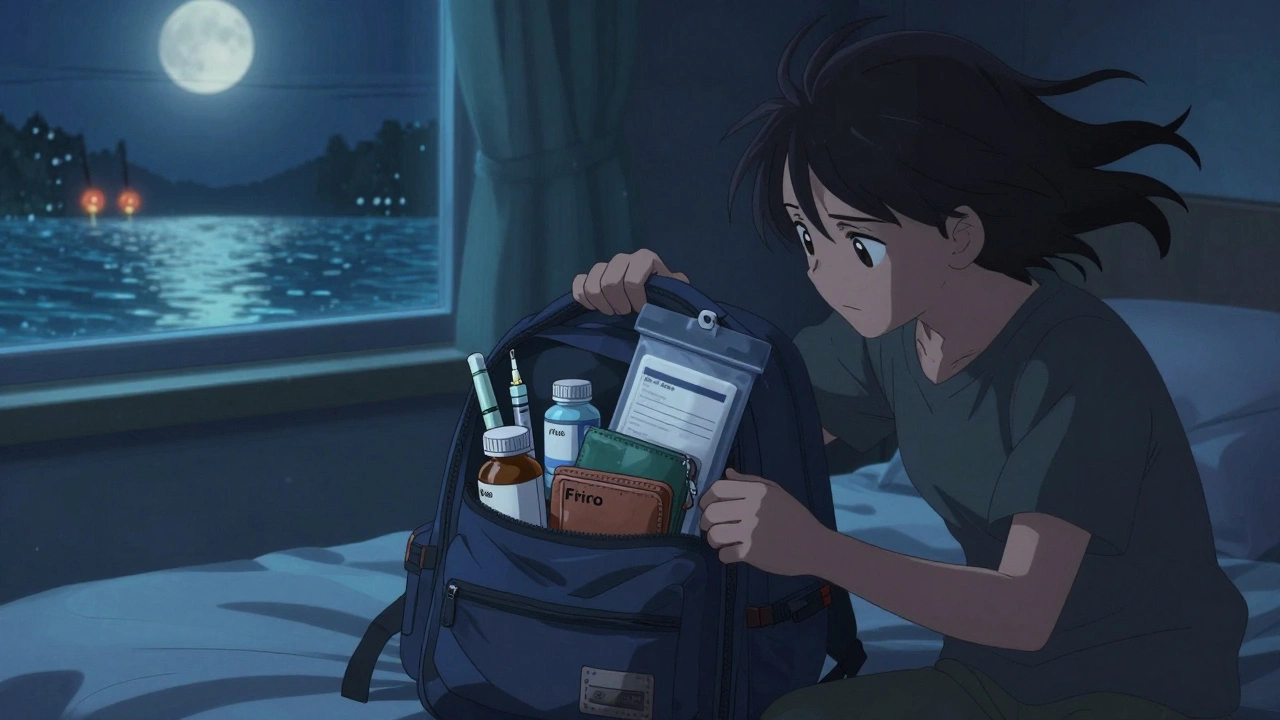
Most people think disaster kits mean batteries, flashlights, and bottled water. But if you’re on chronic medication, your kit is incomplete without your prescriptions. The CDC recommends keeping at least a seven-day supply on hand, but experts say ten to fourteen days is smarter. Why? Because after a major disaster, pharmacies may be closed, roads blocked, or delivery systems down for days. And if you’re elderly, immunocompromised, or have multiple conditions, you’re not just inconvenienced—you’re at risk.
There’s also the issue of stockpile medications, the practice of keeping extra prescription drugs at home for emergencies. Some doctors discourage this, fearing expired pills or misuse. But the truth is, keeping a small, labeled, cool, dry stash of your top three life-sustaining drugs is safer than waiting for a system that may not show up. Just make sure you rotate them—check expiration dates every six months, and replace anything close to expiring.
And don’t forget the paperwork. A list of your medications, dosages, and your doctor’s contact info should be printed and kept with your meds. If you’re evacuated, EMS won’t know what you’re on unless you tell them. A simple 3x5 card in your wallet or disaster bag can prevent deadly mix-ups.
What you’ll find in the articles below isn’t theory. It’s real advice from people who’ve lived through this. From how to protect your insulin when the power’s out, to why your asthma inhaler might fail in extreme heat, to what to do when your pharmacy is gone and your blood thinner is running low. These aren’t generic tips. They’re hard-won lessons from patients, pharmacists, and emergency responders who’ve seen what happens when preparation fails.