Hyperkalemia: Causes, Risks, and Medications That Can Trigger It
When your blood has too much hyperkalemia, a condition where potassium levels rise above normal, putting stress on your heart and muscles. Also known as high potassium, it doesn’t always cause warning signs—but when it does, it can be life-threatening. Potassium is essential for nerve and muscle function, especially your heartbeat. But if your kidneys can’t flush out the excess, or if certain drugs pile it up, your body can’t keep up. That’s when hyperkalemia becomes a silent threat.
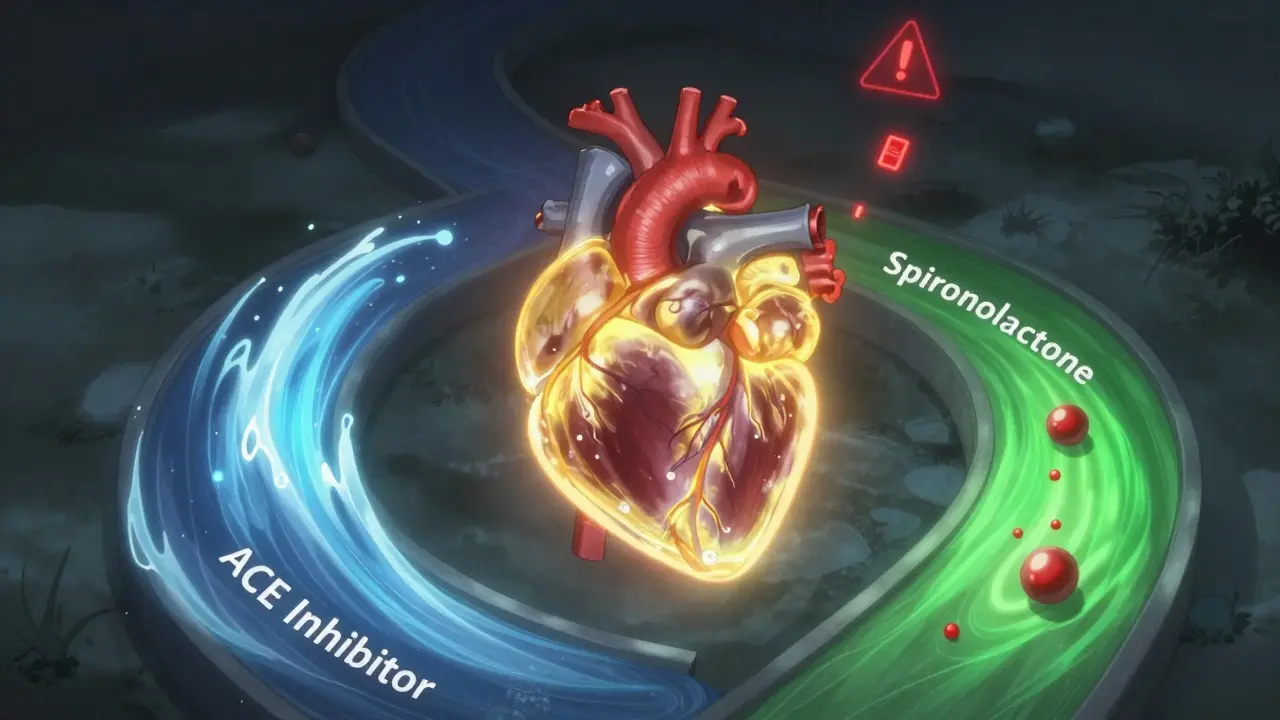
This condition often shows up in people with kidney disease, a major cause of impaired potassium clearance. If your kidneys are damaged from diabetes, high blood pressure, or aging, they lose their ability to filter potassium properly. Certain medications make it worse. diuretics, especially potassium-sparing types like spironolactone, are commonly prescribed for heart failure or high blood pressure—but they can trap potassium in your body. Even over-the-counter salt substitutes or potassium supplements can push levels into danger if you’re not careful. Other culprits include ACE inhibitors, ARBs like azilsartan, and NSAIDs. These drugs are helpful, but they need monitoring, especially in older adults or those with chronic illness.
Many people with hyperkalemia feel nothing at all—until their heart starts skipping beats or they get weak, numb, or nauseous. That’s why routine blood tests matter, especially if you’re on long-term meds. A simple lab check can catch it before it becomes an emergency. If you’ve been told you have kidney issues or take multiple prescriptions, ask your doctor about checking your potassium every few months. It’s not a one-time test—it’s part of staying safe.
What you’ll find in the posts below are real-world stories and science-backed advice on how medications interact with your body’s chemistry. From how SGLT-2 inhibitors affect fluid balance to why diuretics for ascites need careful dosing, these articles show how drugs don’t work in isolation. They connect to your kidneys, your heart, your diet—and your risk for conditions like hyperkalemia. Whether you’re managing chronic illness, adjusting meds, or just trying to understand why your doctor keeps ordering blood tests, this collection gives you the practical details you need to stay informed and in control.