Overdose Prevention: How to Stop Accidental Drug Overdoses Before They Happen
When we talk about overdose prevention, the practice of reducing the risk of taking too much of a medication or substance, often unintentionally. Also known as drug overdose safety, it’s not just about street drugs or addiction—it’s about the pill you forgot you took, the extra tablet you grabbed in a hurry, or the mix of meds your doctor didn’t warn you about. Most overdoses aren’t intentional. They happen because someone didn’t know the dose was too high, didn’t realize their meds interacted, or didn’t check the label. And it’s not just older adults or people with chronic conditions. Teens, busy parents, even healthy people on a single prescription can be at risk.
Medication safety, the set of practices that ensure drugs are taken correctly and without harm. Also known as drug safety, it’s the backbone of overdose prevention. It’s checking your name on the prescription bottle before you swallow. It’s keeping your meds out of reach of kids or pets. It’s knowing that mixing sleep aids with alcohol can shut down your breathing. It’s realizing that a generic version might have different fillers that change how fast your body absorbs the drug. And it’s understanding that even a small change in dosage—like switching from one beta blocker to another—can have big consequences if you don’t monitor it. Opioid overdose, a life-threatening reaction to too much opioid pain medication, often involving slowed or stopped breathing. Also known as narcotic overdose, is one of the most dangerous forms of accidental overdose, but it’s not the only one. Antidepressants, sleep pills, heart meds, even common OTC painkillers like acetaminophen can cause fatal overdoses if taken in excess or combined improperly. Hospital pharmacies see this daily—226 injectable drugs are still in short supply, forcing risky substitutions that can lead to dosing errors. And if you’re on multiple prescriptions, your pharmacist is the only one who can spot the dangerous overlaps.
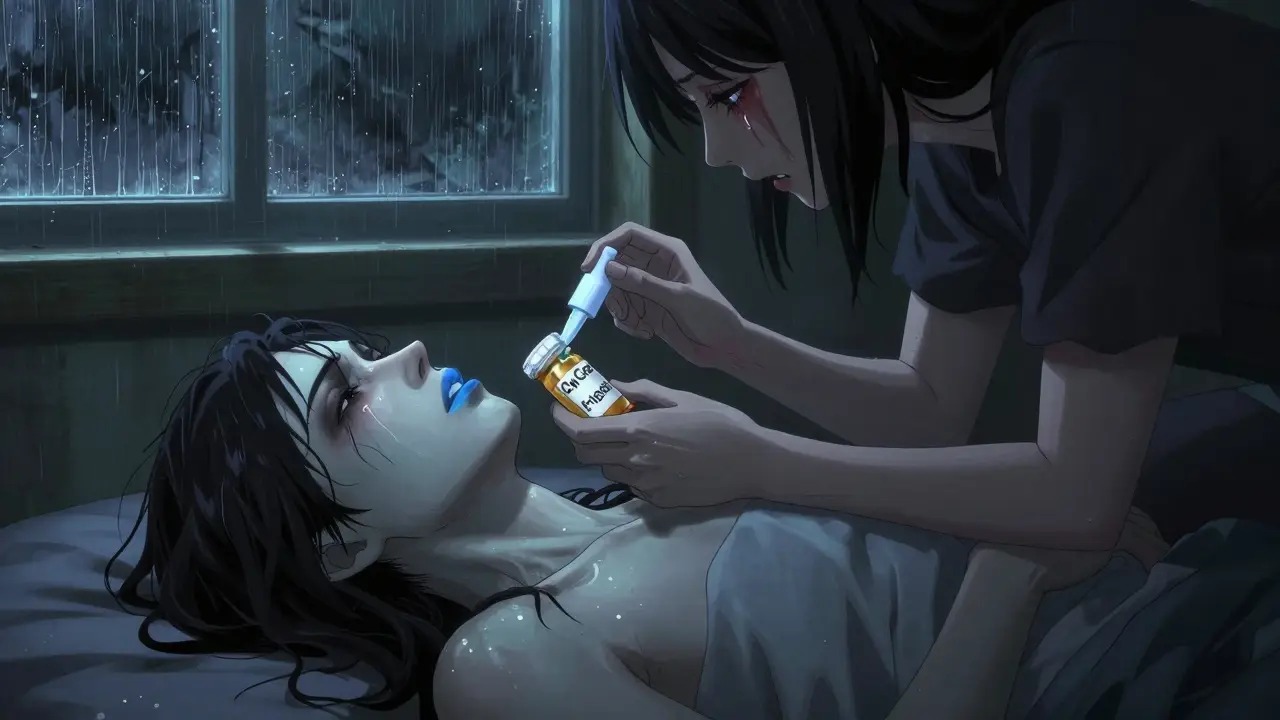
Overdose prevention isn’t about fear. It’s about awareness. It’s knowing that your grandma’s painkiller isn’t the same as your kid’s ADHD med, even if they look alike. It’s realizing that expired epinephrine might not work in an emergency. It’s asking your doctor if that new medication could make your existing ones stronger or weaker. It’s keeping a simple go-bag with your essential drugs during emergencies, so you don’t have to guess what you took last. And it’s learning the signs: confusion, slow breathing, unresponsiveness, blue lips. These aren’t just movie tropes—they’re real warnings that mean you need help now.
Below, you’ll find real stories and practical guides from people who’ve been there—parents coordinating school meds, seniors managing opioids safely, patients catching dangerous label mix-ups before it was too late. These aren’t theoretical tips. They’re the steps that actually work. No fluff. No jargon. Just what you need to keep yourself and your loved ones safe.