
What Each Part of Your Rx Medication Label Means for Patients
Learn what every part of your prescription label means-from your name and dosage to expiration dates and warnings-so you can take your meds safely and avoid dangerous mistakes.
When you pick up a new medication, the prescription label, the official sticker or paper attached to your medicine bottle by the pharmacy that lists dosing, warnings, and usage instructions. Also known as pharmacy label, it's your main guide for taking drugs safely—yet most people glance at it once and never read it again. That’s risky. A misread dose, ignored warning, or misunderstood instruction can lead to side effects, hospital visits, or even death. The prescription label isn’t just bureaucracy—it’s your personal safety manual.
It’s not just about the drug name and dose. The label includes refill instructions, how many times you can get more of the same prescription before needing a new doctor’s note, expiration dates, when the medication stops being effective or safe to use, and black box warnings, the strongest safety alerts the FDA requires for drugs with serious risks like liver damage, suicidal thoughts, or life-threatening reactions. These aren’t optional details—they’re red flags. For example, if your label says "May cause dizziness" and you’re driving or operating machinery, that’s not a suggestion. It’s a warning backed by real patient harm data. Same with "Avoid alcohol"—some meds turn a single drink into a medical emergency.
Many people don’t realize that inactive ingredients, the fillers and dyes in pills that aren’t the active drug but can still trigger allergies or digestive issues are listed on the label too. If you’ve ever had a rash or stomach upset after starting a new pill—even if it’s a generic version—check the label. That reaction might not be from the drug itself, but from the cornstarch, lactose, or FD&C dye used to make it. And if you’re taking multiple meds, the label helps you spot dangerous interactions. For instance, a blood thinner and a common painkiller might both be fine alone, but together they can cause internal bleeding. The label doesn’t spell that out, but knowing what’s on it lets you ask your pharmacist the right questions.
There’s also a big difference between what’s written on the label and what your doctor said. Sometimes the label says "take once daily," but your doctor meant "take at bedtime." Or the label says "take with food," but your meal is too small to matter. That’s why you should always compare the label to your doctor’s instructions—and if they conflict, call the pharmacy. They’re trained to catch these mismatches. In fact, studies show that over 40% of medication errors happen because people relied on memory instead of reading the label. Your brain forgets. The label doesn’t.
What you’ll find below are real stories and practical guides from people who’ve been there: parents coordinating school meds, seniors managing opioids, teens on antidepressants, and others who learned the hard way that ignoring the label has consequences. You’ll learn how to decode the tiny print, spot hidden risks, and use the label as a tool—not just a piece of paper. This isn’t about following rules. It’s about staying alive and feeling better. Read the label. Every time.
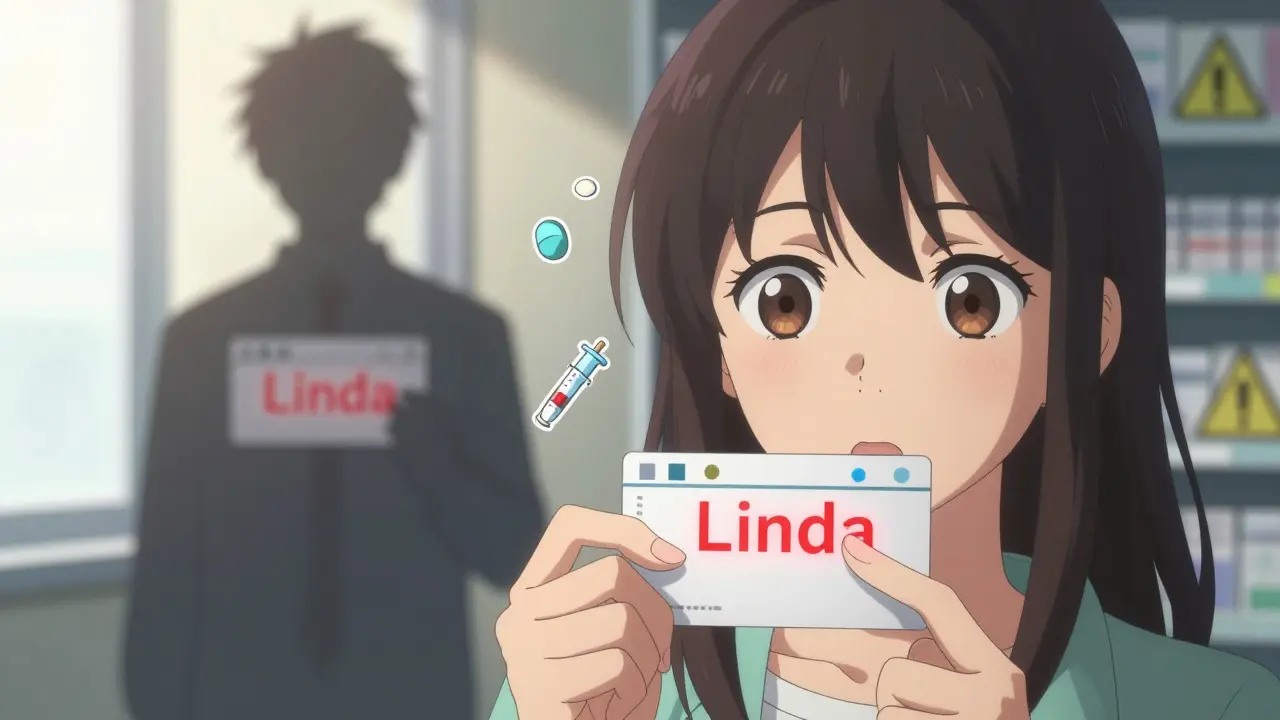
Learn what every part of your prescription label means-from your name and dosage to expiration dates and warnings-so you can take your meds safely and avoid dangerous mistakes.
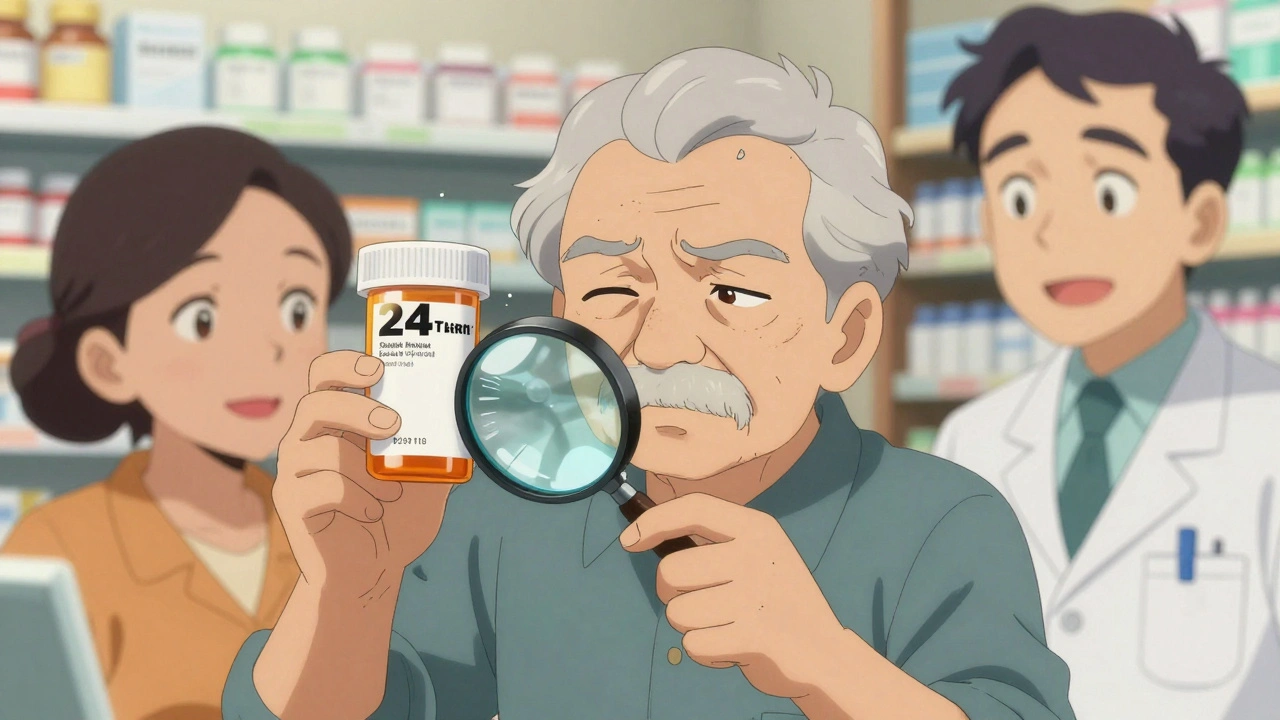
Learn how to check your name and medication on a prescription label to avoid dangerous errors. A simple 30-second step can prevent mix-ups, wrong doses, and life-threatening mistakes.