How to Store High-Risk Medications to Reduce Overdose Risk
Learn how to safely store high-risk medications like opioids and benzodiazepines to prevent accidental overdoses in children and others. Simple, science-backed steps can save lives.
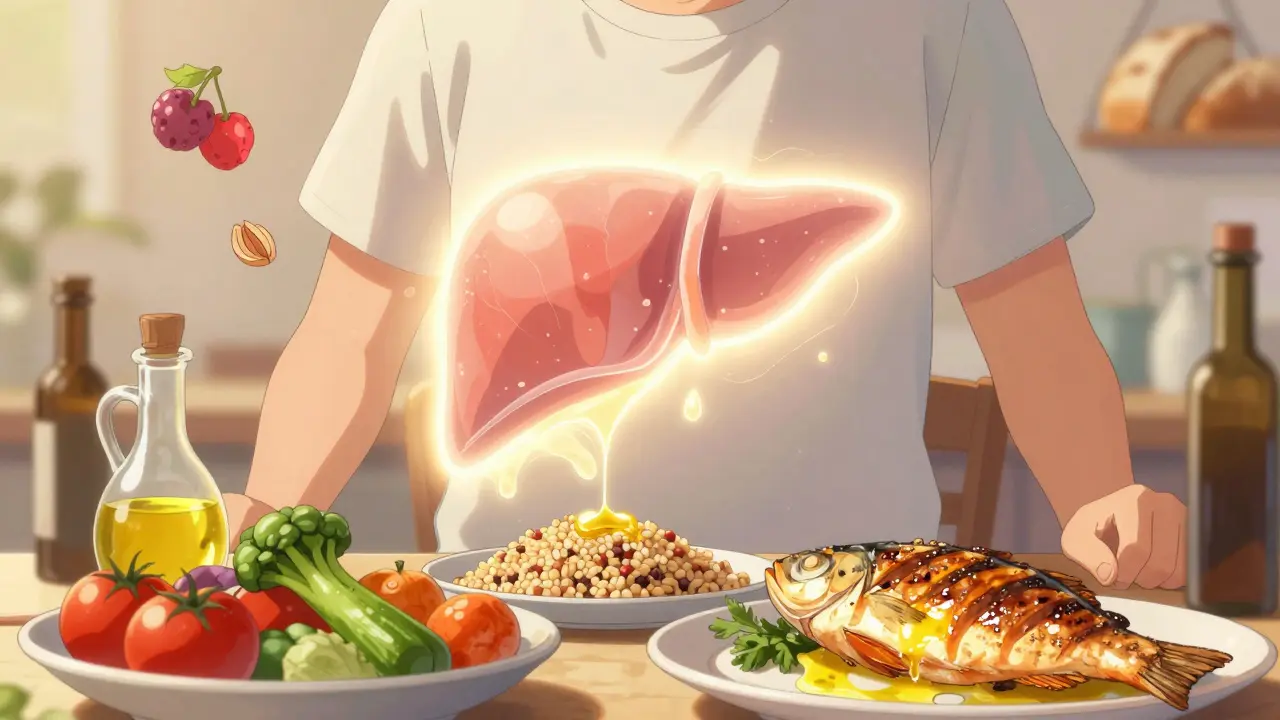
Learn the real risk factors for kidney disease and simple, science-backed lifestyle changes you can start today to protect your kidneys before it's too late. Most cases are preventable.
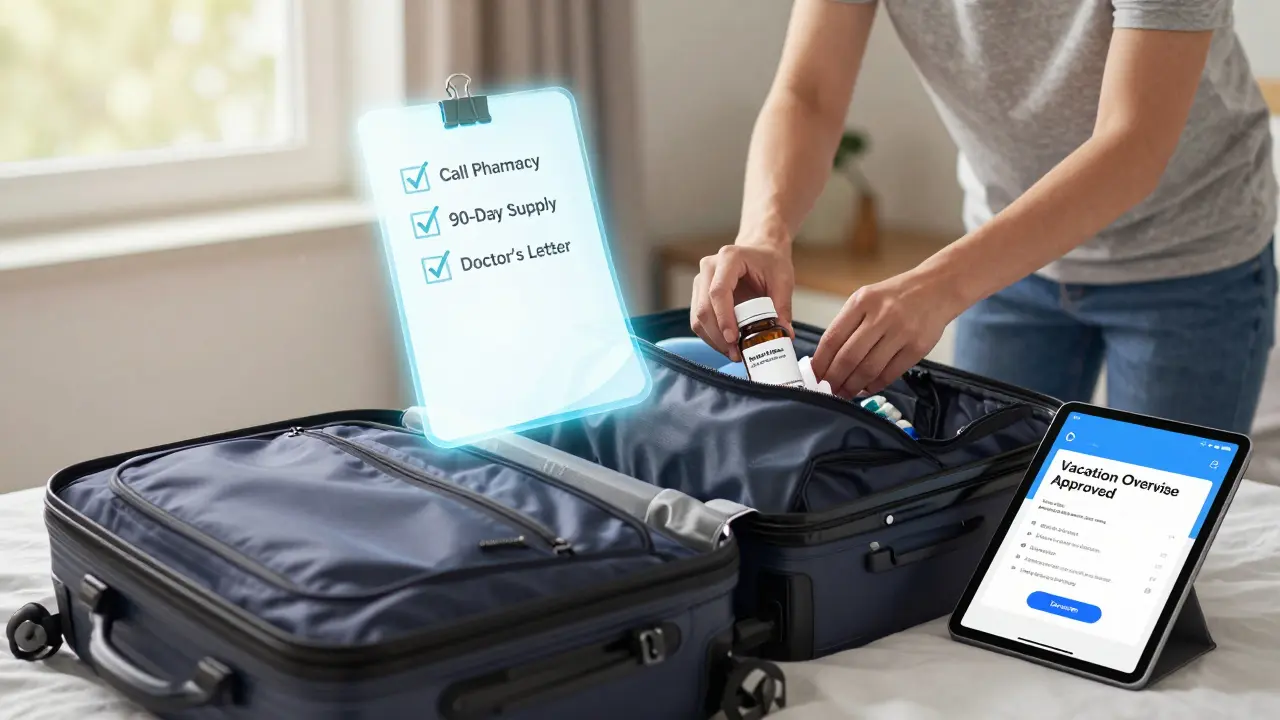
A medication go-bag ensures you have access to critical drugs during emergencies like fires, floods, or power outages. Learn what to pack, how to store meds safely, and why even young people need one.
Hospital pharmacies are facing unprecedented shortages of sterile injectable medications, forcing delays in care, ethical dilemmas, and risky substitutions. With 226 drugs still in short supply in 2025, the crisis shows no sign of ending without major systemic change.
Hyperkalemia in chronic kidney disease is a serious but manageable condition. Learn how diet, emergency treatments, and new medications help keep potassium levels safe while preserving heart-protecting therapies.
Lot-to-lot variability is normal in biologics and biosimilars due to their complex manufacturing. Unlike generics, these drugs aren't identical across batches - but they're rigorously controlled to ensure safety and effectiveness.
Chronic bronchitis and emphysema are the two main parts of COPD, but they affect the lungs in very different ways. Knowing which one you have helps you get the right treatment and avoid unnecessary medications.
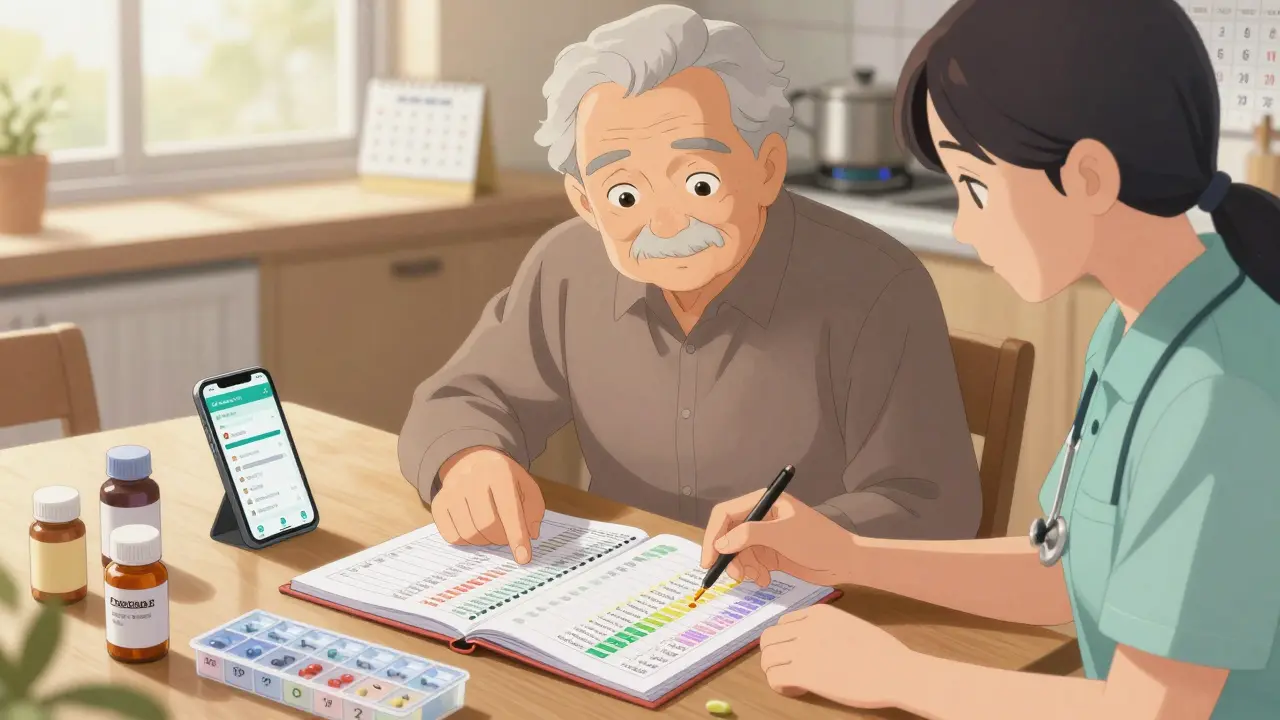
Learn how to safely coordinate school nurses and staff to administer daily pediatric medications using the five rights, IHPs, delegation protocols, and electronic systems. Reduce errors and ensure legal compliance.
Learn how to check your name and medication on a prescription label to avoid dangerous errors. A simple 30-second step can prevent mix-ups, wrong doses, and life-threatening mistakes.
Fournier’s gangrene is a rare but deadly infection linked to SGLT-2 inhibitor diabetes medications. Know the emergency signs-severe pain, swelling, fever, foul discharge-and act fast. Delay could be fatal.